⛪ Cape Coast Castle Church
Ghana
About This Sacred Site
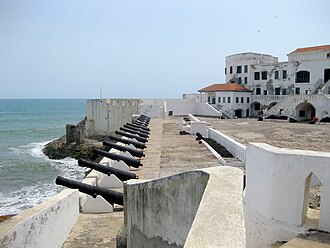
The chapel within Cape Coast Castle in Ghana is a solemn Christian site situated directly above the dungeons where enslaved Africans were confined before the transatlantic voyage. The church’s interior features memorial plaques and stained glass windows commemorating the victims of the slave trade. It serves both as a place of worship and a historical monument, symbolizing resilience and the tragic legacy of slavery along the West African coast.
History & Origins
Built in 1653 by the Swedish Africa Company and later controlled by the British, Cape Coast Castle became a major hub for the transatlantic slave trade. The chapel was constructed within the castle to serve the European administrators and later enslaved Africans. Over time, it became a site for Christian worship and reflection on the atrocities committed beneath it. The castle was decommissioned in the 19th century and transformed into a museum and heritage site. Today, the chapel stands as a powerful reminder of the human suffering caused by the slave trade and the enduring spirit of those affected.
Spiritual Significance
Established in 1653, this church within Cape Coast Castle functions as a poignant reminder of faith amidst suffering, situated directly above dungeons that once confined up to 1,000 enslaved Africans, linking Christian worship with the historical trauma of the transatlantic slave trade. Declared a UNESCO World Heritage Site in 1979, the church features Gothic architectural elements typical of 17th-century British colonial ecclesiastical design, emphasizing verticality and light symbolizing divine grace. Historically, the church served as the seat of British colonial government in the region, where chaplains conducted regular Anglican services and baptized enslaved individuals, integrating Christian doctrine with imperial authority. Memorial services held annually commemorate the souls of those who perished, incorporating Psalms and liturgical prayers from the Book of Common Prayer, reflecting theological themes of suffering, redemption, and liberation. Pilgrims and descendants of the African diaspora visit the site to participate in candlelight vigils and Eucharistic celebrations, which underscore the church’s role as a locus for reconciliation and remembrance within Ghana’s Christian community.
Key Facts
- •UNESCO World Heritage Site since 1979
- •The church sits directly above dungeons that held up to 1,000 enslaved people at a time
- •Served as the seat of British colonial government in the Gold Coast
- •A key site for the African diaspora's pilgrimage and remembrance journeys
- •Barack Obama visited in 2009, calling it a reminder of 'the capacity for great evil'
Location
Coordinates: 5.1034, -1.2416
Frequently Asked Questions
What religion is Cape Coast Castle Church associated with?▾
Cape Coast Castle Church is a Christianity holy site located in Ghana. It was established 1653 and is ranked #473 in our global directory of sacred sites.
When was Cape Coast Castle Church established?▾
Cape Coast Castle Church dates back to 1653. UNESCO World Heritage Site since 1979
How many people visit Cape Coast Castle Church each year?▾
Cape Coast Castle Church receives approximately 200,000+ visitors per year. The church sits directly above dungeons that held up to 1,000 enslaved people at a time
What is Cape Coast Castle Church known for?▾
A church built atop one of the largest slave-trading fortresses, now a site of pilgrimage and remembrance. Visitors come seeking forgiveness, ancestral connection, peace, healing. Served as the seat of British colonial government in the Gold Coast
Related Holy Sites
Sacred places connected by country, religion, and purpose
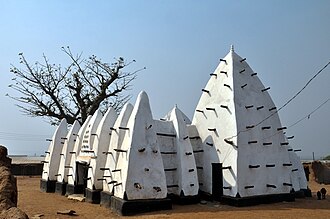
🕌Larabanga Mosque
One of the oldest mosques in West Africa, built in the Sudano-Sahelian style.
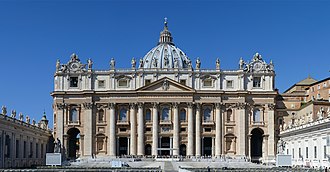
⛪Vatican City (St. Peter's Basilica)
The spiritual center of Roman Catholicism and home of the Pope.
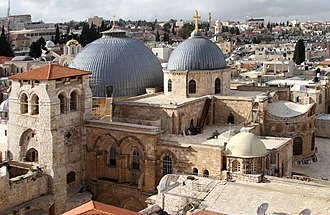
✝️Church of the Holy Sepulchre
The site where Jesus was crucified, buried, and resurrected.