
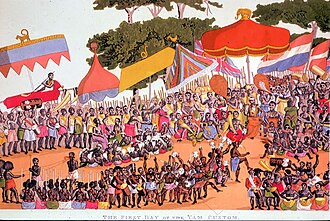
🏛️ Asante Traditional Shrines (Kumasi)
Ghana
About This Sacred Site
The Asante Traditional Shrines in Kumasi, Ghana, are a collection of sacred buildings that exemplify the Asante architectural style. These structures, including the Manhyia Palace and various shrines, are decorated with symbolic carvings and motifs representing Asante cosmology and history. The shrines are integral to the spiritual practices and cultural identity of the Asante people, hosting rituals, festivals, and the veneration of ancestors.
History & Origins
Dating back to the 1700s, the Asante Traditional Shrines arose during the formation and expansion of the Asante Empire. They served as centers for political power and religious worship, reinforcing the authority of the Asantehene (king) and spiritual leaders. Over centuries, these shrines have been maintained and restored, surviving colonial disruptions and modernization. Recognized by UNESCO as a World Heritage Site, they continue to preserve Asante traditions and serve as venues for important cultural ceremonies, reflecting the resilience and continuity of Asante heritage.
Spiritual Significance
These shrines are integral to the Asante people's religious life, centered around the Golden Stool, believed since the 1700s to house the collective soul of the Asante nation. Rituals include libations and offerings to the ancestors and deities, led by the Asantehene's priests, to ensure community prosperity and political stability. The annual Adae festival involves ceremonies at these shrines, where the Asantehene and court perform rites to honor past kings and reinforce social cohesion. The shrines' architecture features elaborately decorated walls with Adinkra symbols, each with specific spiritual meanings related to Asante cosmology and ethics. Pilgrims visit to seek blessings and communicate with ancestors, adhering to traditional practices that predate colonial influence. The shrines also serve as sites for divination and conflict resolution under the guidance of traditional priests, maintaining Asante spiritual governance as recognized by Ghanaian law.
Key Facts
- •UNESCO World Heritage Site since 1980
- •The Golden Stool is believed to embody the soul and unity of the Asante people
- •Traditional buildings feature elaborate wall decorations with spiritual symbolism
- •The Asante Kingdom was one of the most powerful states in pre-colonial Africa
- •Shrines are still used for libation ceremonies and ancestral communication
Location
Coordinates: 6.6885, -1.6244
Frequently Asked Questions
What religion is Asante Traditional Shrines (Kumasi) associated with?▾
Asante Traditional Shrines (Kumasi) is a Indigenous holy site located in Ghana. It was established c. 1700s and is ranked #560 in our global directory of sacred sites.
When was Asante Traditional Shrines (Kumasi) established?▾
Asante Traditional Shrines (Kumasi) dates back to c. 1700s. UNESCO World Heritage Site since 1980
How many people visit Asante Traditional Shrines (Kumasi) each year?▾
Asante Traditional Shrines (Kumasi) receives approximately 100,000+ visitors per year. The Golden Stool is believed to embody the soul and unity of the Asante people
What is Asante Traditional Shrines (Kumasi) known for?▾
UNESCO-listed traditional buildings in the Ashanti Region, centers of Asante spiritual practice. Visitors come seeking ancestral connection, protection, healing, guidance. Traditional buildings feature elaborate wall decorations with spiritual symbolism
Related Holy Sites
Sacred places connected by country, religion, and purpose
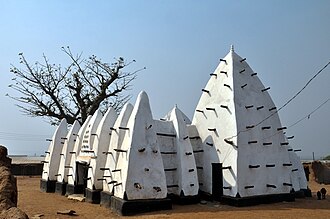
🕌Larabanga Mosque
One of the oldest mosques in West Africa, built in the Sudano-Sahelian style.

🪨Uluru (Ayers Rock)
A sacred monolith central to Aboriginal Australian creation stories.
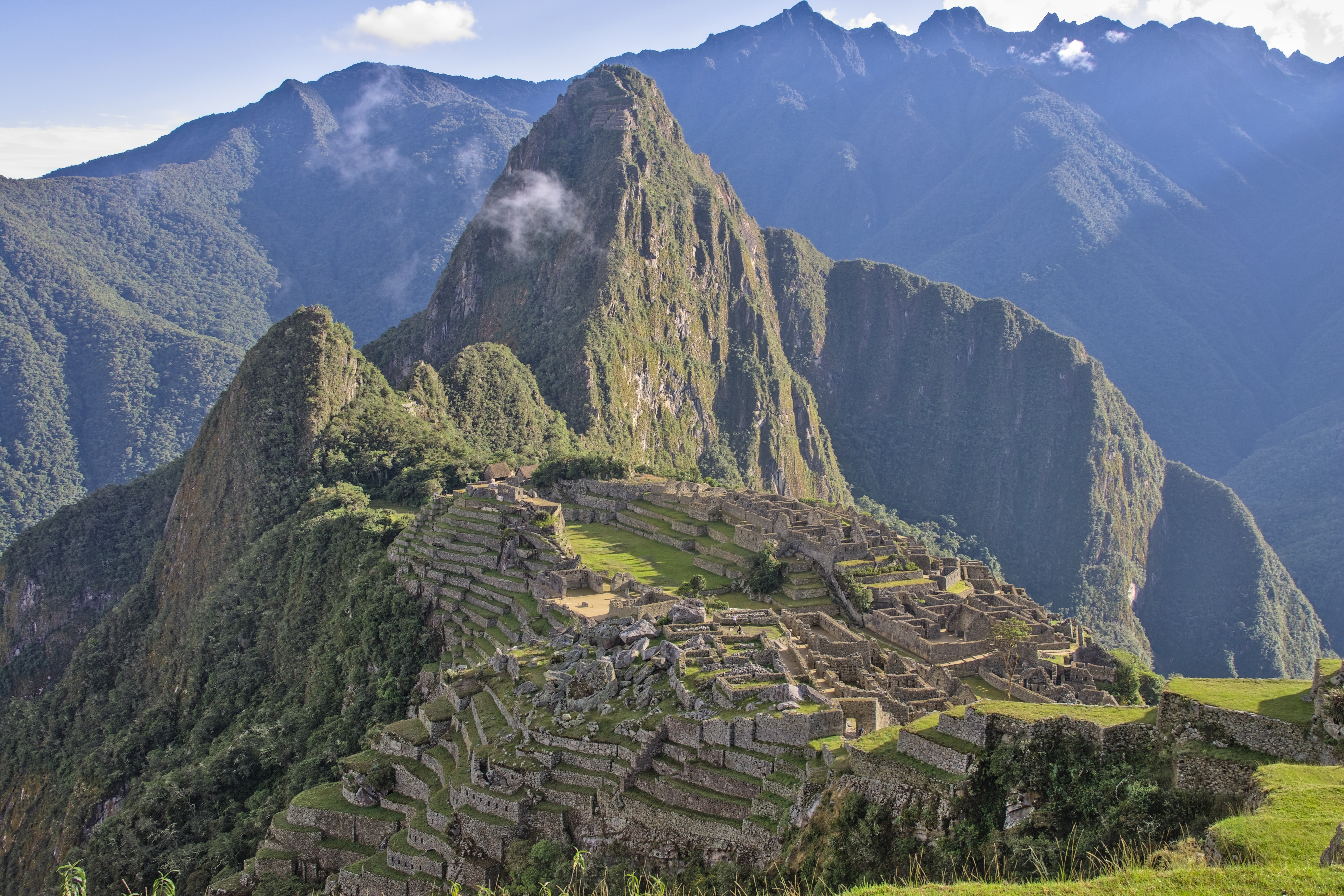
🏔️Machu Picchu
A sacred Inca citadel set high in the Andes, aligned with astronomical events.

⛪Vatican City (St. Peter's Basilica)
The spiritual center of Roman Catholicism and home of the Pope.
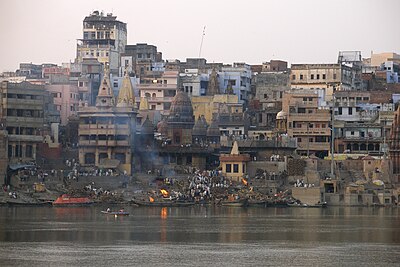
🙏Varanasi (Kashi Vishwanath Temple)
The holiest city in Hinduism, where the Ganges River purifies the soul.

