🕍 Burgos Cathedral
Spain
About This Sacred Site
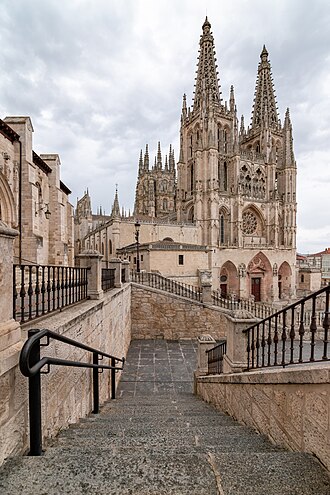
The Cathedral of Saint Mary of Burgos is an outstanding example of Spanish Gothic architecture and was the first Spanish cathedral to receive individual UNESCO World Heritage status. Construction began in 1221 under Ferdinand III and continued for nearly three centuries. The cathedral houses the remains of Rodrigo Díaz de Vivar (El Cid) and his wife Jimena beneath the transept crossing. Its flamboyant Gothic spires, the Condestable Chapel, and the Golden Staircase by Diego de Siloé make it a jewel of European sacred art.
History & Origins
Construction of this Gothic cathedral commenced in 1221 under King Ferdinand III, with initial design by master builder Enrique de Egas, reflecting French Gothic influences. Designated a UNESCO World Heritage Site in 1984, it was the first Spanish cathedral to receive individual inscription for its exceptional architecture and historical value. The octagonal Condestable Chapel, built between 1482 and 1496 by architect Juan de Colonia, is renowned for its intricate rib vaulting and houses the sepulchers of Constable Pedro Fernández de Velasco and his wife. The cathedral contains the tomb of the famed medieval military leader El Cid (Rodrigo Díaz de Vivar) and his wife Doña Jimena, who were interred there in the 12th century. Notable renovations include the 16th-century addition of flying buttresses and the 19th-century restoration of the western façade led by architect Francisco de Cubas. The cathedral’s façade features sculpted portals depicting scenes from the Last Judgment and the life of Christ, integral to its didactic function during the Middle Ages.
Spiritual Significance
The cathedral functions as a major pilgrimage site on the Camino de Santiago, with pilgrims stopping to venerate the tomb of El Cid, considered a symbol of Christian reconquest and chivalry. The Feast of the Assumption on August 15 is celebrated with solemn masses emphasizing Marian devotion, linked to the cathedral’s numerous chapels dedicated to the Virgin Mary. The cathedral hosts the annual pilgrimage of the Brotherhood of the Holy Cross, which venerates a relic thought to be a fragment of the True Cross. Liturgical celebrations follow the Roman Rite, with musical traditions including polyphonic choir performances dating back to the 15th century. The Condestable Chapel serves as a site for special prayers invoking the protection of the noble patrons interred there, reflecting the intertwining of religious and social hierarchies in medieval Castile. The cathedral’s extensive iconography and stained glass windows illustrate biblical narratives, serving as catechetical tools during mass and reinforcing doctrinal teachings.
Key Facts
- •UNESCO World Heritage Site since 1984, the first individually listed cathedral in Spain
- •Contains the tomb of El Cid and his wife Doña Jimena
- •The octagonal Condestable Chapel is a masterpiece of late Gothic architecture
- •The Golden Staircase by Diego de Siloé connects two levels separated by 8 meters
- •Its openwork spires, completed in the 15th century, were inspired by Cologne Cathedral
Location
Coordinates: 42.3405, -3.7046
Frequently Asked Questions
What religion is Burgos Cathedral associated with?▾
Burgos Cathedral is a Christianity holy site located in Spain. It was established 1221 and is ranked #268 in our global directory of sacred sites.
When was Burgos Cathedral established?▾
Burgos Cathedral dates back to 1221. UNESCO World Heritage Site since 1984, the first individually listed cathedral in Spain
How many people visit Burgos Cathedral each year?▾
Burgos Cathedral receives approximately 900,000 visitors per year. Contains the tomb of El Cid and his wife Doña Jimena
What is Burgos Cathedral known for?▾
A UNESCO-listed Gothic cathedral on the Camino de Santiago, burial place of El Cid. Visitors come seeking pilgrimage, blessings, peace, guidance. The octagonal Condestable Chapel is a masterpiece of late Gothic architecture
Related Holy Sites
Sacred places connected by country, religion, and purpose
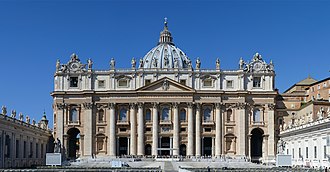
⛪Vatican City (St. Peter's Basilica)
The spiritual center of Roman Catholicism and home of the Pope.
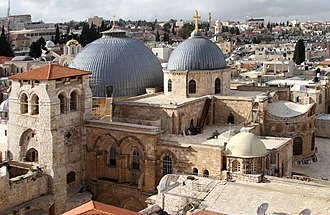
✝️Church of the Holy Sepulchre
The site where Jesus was crucified, buried, and resurrected.