🌿 Boma Sacred Sites
South Sudan
About This Sacred Site
The Boma region in eastern South Sudan encompasses the Boma Plateau and surrounding lowlands, home to indigenous peoples including the Murle, Suri, and Anuak who maintain ancient spiritual traditions. Sacred groves, rivers, and hilltop sites serve as locations for rain-making ceremonies, age-set initiation rituals, and ancestor veneration. The region's remoteness has helped preserve these traditions largely unchanged. The Boma National Park also contains sites of deep spiritual significance tied to the seasonal migrations of wildlife.
History & Origins
The Boma region in eastern South Sudan is rich with indigenous sacred sites tied to the cultural and spiritual practices of local ethnic groups including the Murle, Suri, and others. These sites, often located on the Boma Plateau and surrounding lowlands, have been integral to traditional rituals, ancestor worship, and land stewardship for centuries. The sacred locations are linked to seasonal ceremonies, rites of passage, and conflict resolution mechanisms within communities. Despite pressures from modernization and conflicts, the preservation of these sacred sites remains vital to maintaining cultural identity and environmental sustainability in the region.
Spiritual Significance
Dating back to the pre-colonial era, this complex of sacred groves and hilltop sites is central to the spiritual life of the Murle, Suri, and Anuak peoples. The sites are used for rain-making ceremonies conducted during the dry season, involving offerings and chants invoking spirits for agricultural fertility. Age-set initiation rituals, crucial to social structure, occur here, marking the transition of youth into adulthood through rites of passage that include circumcision and communal feasts. The sacred spaces are believed to be inhabited by ancestral spirits, with elders leading prayers and divination sessions to maintain harmony between the community and the natural world. Pilgrims travel from neighboring regions for the biennial spiritual assembly, which incorporates dances and oral storytelling that preserve tribal cosmologies and ethical teachings.
Key Facts
- •Home to the Murle, Suri, and Anuak indigenous peoples
- •Sacred groves and hilltop sites are used for rain-making ceremonies
- •Age-set initiation rituals are central to community spiritual life
- •Boma National Park hosts one of Africa's largest wildlife migrations
- •The region's remoteness has preserved indigenous traditions
Location
Coordinates: 6.7500, 34.0000
Frequently Asked Questions
What religion is Boma Sacred Sites associated with?▾
Boma Sacred Sites is a Indigenous holy site located in South Sudan. It was established Pre-colonial era and is ranked #1002 in our global directory of sacred sites.
When was Boma Sacred Sites established?▾
Boma Sacred Sites dates back to Pre-colonial era. Home to the Murle, Suri, and Anuak indigenous peoples
How many people visit Boma Sacred Sites each year?▾
Boma Sacred Sites receives approximately 2,000+ visitors per year. Sacred groves and hilltop sites are used for rain-making ceremonies
What is Boma Sacred Sites known for?▾
Sacred landscapes of the Boma Plateau where indigenous Murle and Suri peoples maintain ancient spiritual traditions. Visitors come seeking ancestral connection, protection, spiritual enlightenment. Age-set initiation rituals are central to community spiritual life
Related Holy Sites
Sacred places connected by country, religion, and purpose
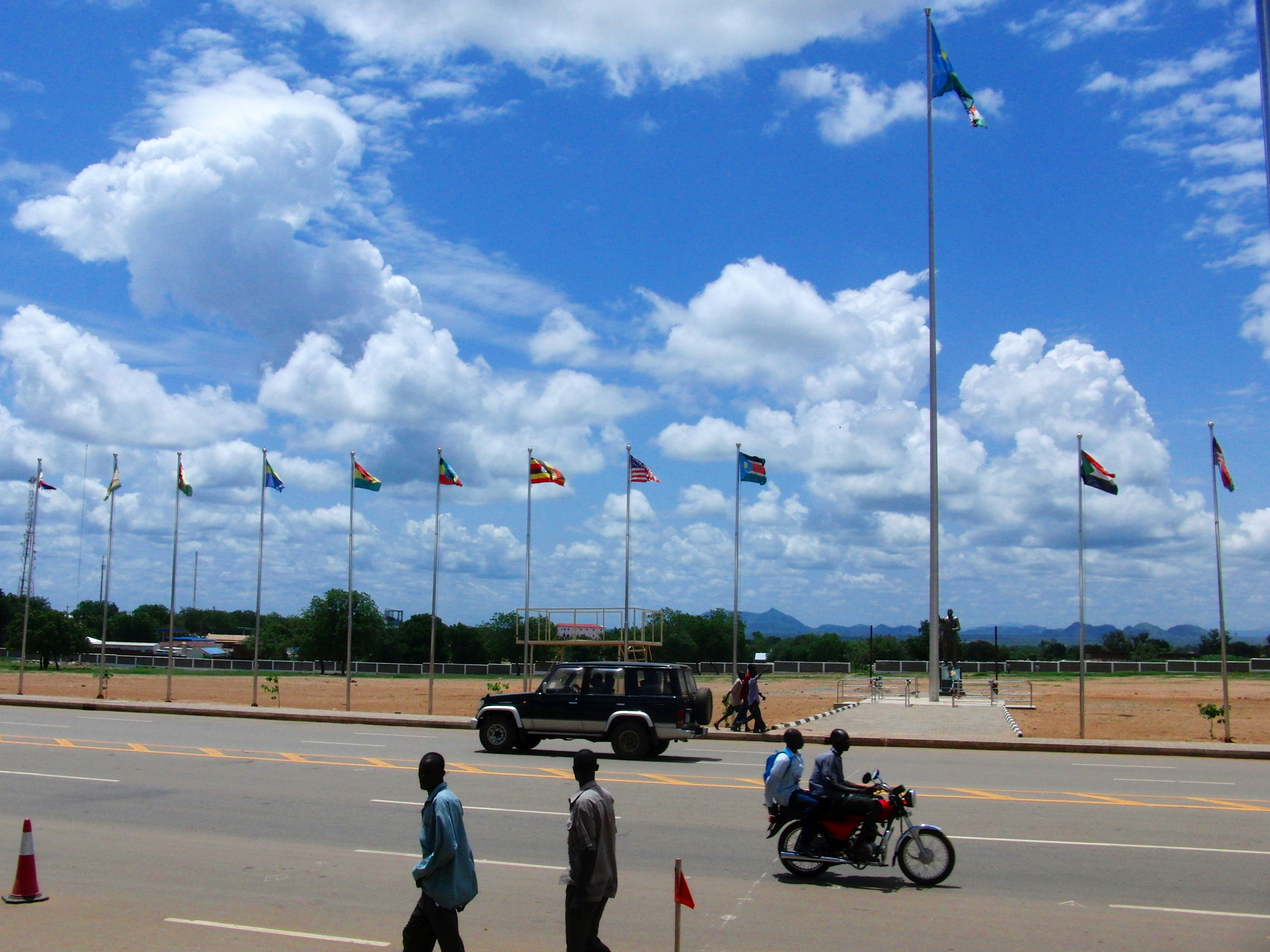
⛪Juba Cathedral
The principal Catholic cathedral in Juba, a beacon of faith during South Sudan's struggle for independence.
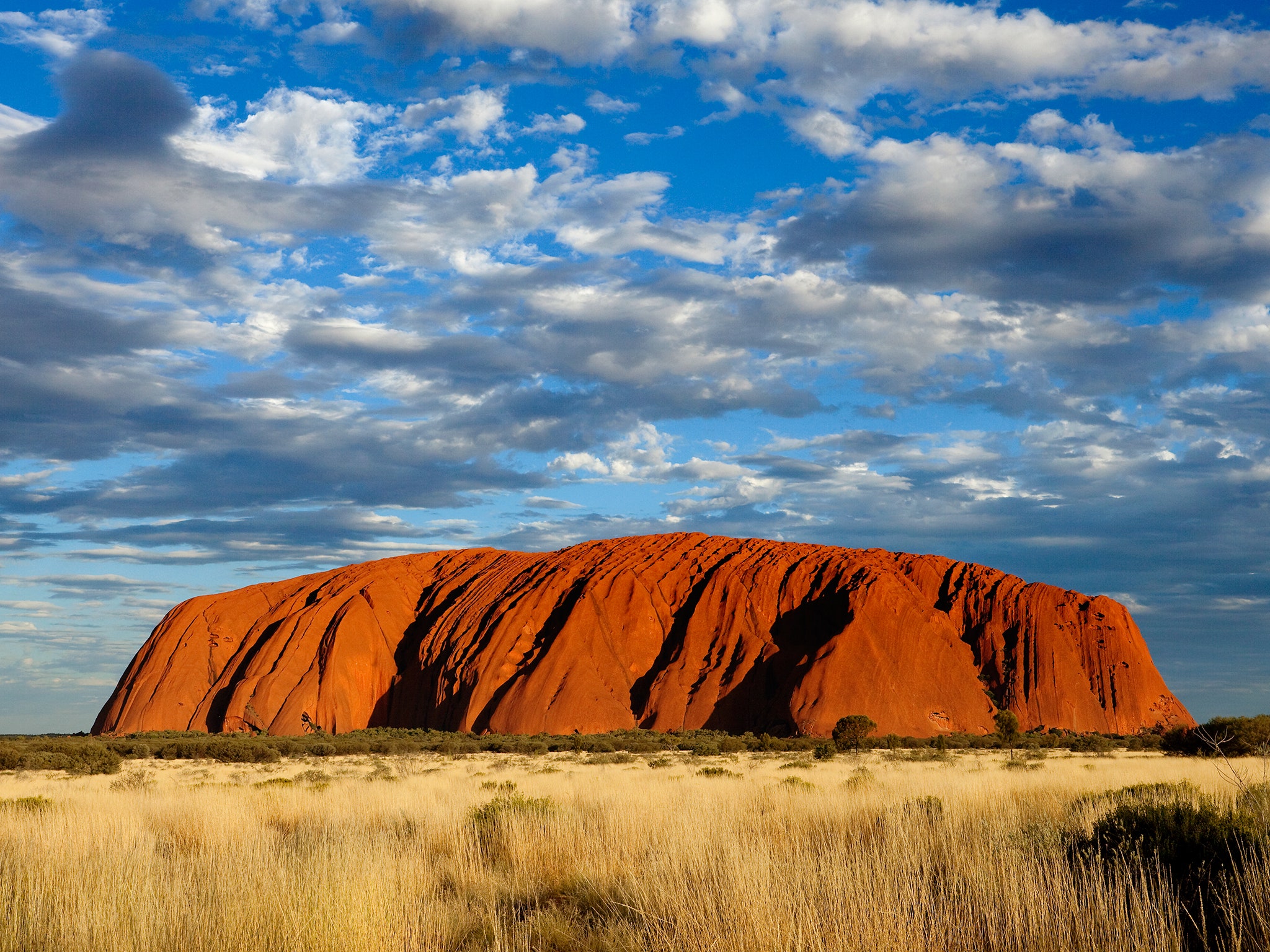
🪨Uluru (Ayers Rock)
A sacred monolith central to Aboriginal Australian creation stories.
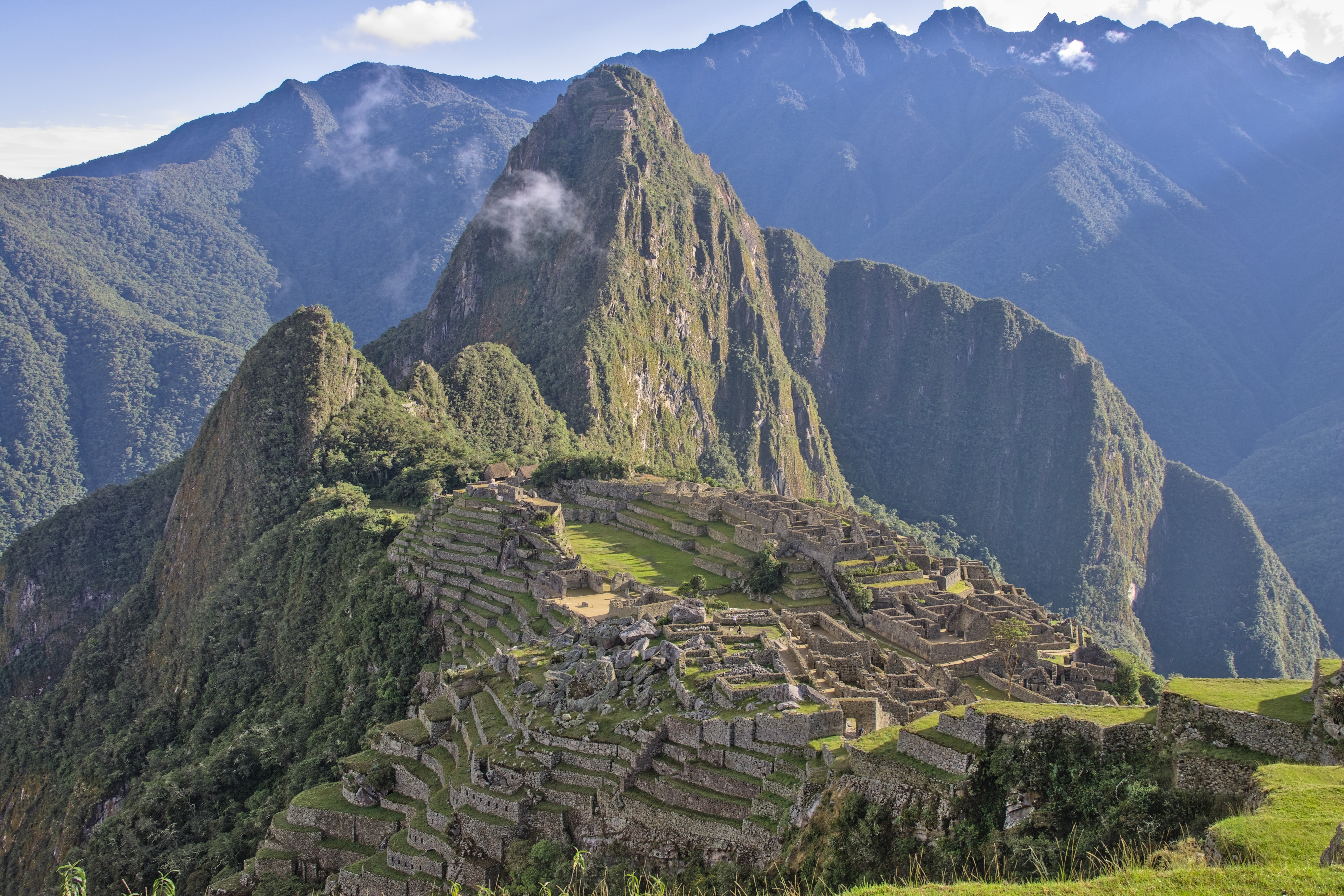
🏔️Machu Picchu
A sacred Inca citadel set high in the Andes, aligned with astronomical events.
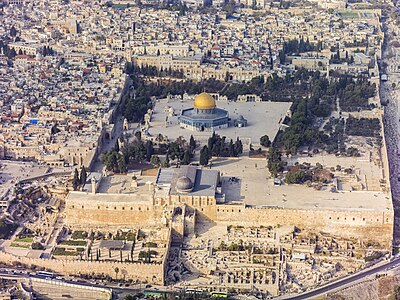
🕌Temple Mount / Al-Aqsa (Jerusalem)
Sacred to Judaism, Christianity, and Islam — the most contested holy site on Earth.
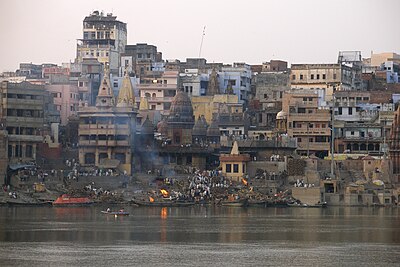
🙏Varanasi (Kashi Vishwanath Temple)
The holiest city in Hinduism, where the Ganges River purifies the soul.