⛪ Juba Cathedral
South Sudan
About This Sacred Site
Juba Cathedral, also known as St Teresa's Cathedral, is the main Roman Catholic church in the capital of South Sudan. The cathedral and the broader Catholic Church played a crucial role during Sudan's civil wars, providing humanitarian aid, education, and spiritual comfort to displaced populations. After South Sudan's independence in 2011, the cathedral became a symbol of hope and reconciliation. It continues to serve as a centre for peacebuilding efforts in a nation still recovering from conflict.
History & Origins
Juba Cathedral, also known as St Teresa's Cathedral, was established in the 1950s as the main Roman Catholic church in the capital of South Sudan. The cathedral was built during the period of Sudanese colonial administration and became a symbol of the growing Catholic presence in the region. Throughout South Sudan’s turbulent history, including civil conflicts and eventual independence in 2011, the cathedral has remained a spiritual sanctuary and a place of hope for the local population. It also hosts significant religious ceremonies and serves as the administrative center for the Catholic Church in South Sudan, fostering community cohesion and interfaith dialogue.
Spiritual Significance
Established in the 1950s and also known as St Teresa's Cathedral, this site serves as the central seat of the Roman Catholic Archdiocese of Juba. The cathedral hosts the annual Feast of St. Teresa on October 1st, which includes the recitation of the Rosary and special Masses referencing Psalm 23, emphasizing divine guidance amidst hardship. During the Sudanese civil wars, the cathedral functioned as a sanctuary and humanitarian center, providing shelter to displaced persons and facilitating peace prayers inspired by the Beatitudes (Matthew 5:3-12). The cathedral played a pivotal role in the South Sudanese independence movement, with clergy like Bishop Paride Taban advocating for peace and reconciliation through ecumenical services. Pilgrims often participate in the Lenten processions held within the cathedral compound, reflecting on suffering and hope as taught in the writings of St. Teresa of Ávila, the cathedral's patron saint.
Key Facts
- •Also known as St Teresa's Cathedral
- •The Catholic Church was instrumental in South Sudan's independence movement
- •Served as a humanitarian centre during the Sudanese civil wars
- •South Sudan became the world's newest country in 2011
- •Christianity is the predominant religion in South Sudan
Location
Coordinates: 4.8517, 31.5825
Frequently Asked Questions
What religion is Juba Cathedral associated with?▾
Juba Cathedral is a Christianity holy site located in South Sudan. It was established 1950s and is ranked #960 in our global directory of sacred sites.
When was Juba Cathedral established?▾
Juba Cathedral dates back to 1950s. Also known as St Teresa's Cathedral
How many people visit Juba Cathedral each year?▾
Juba Cathedral receives approximately 40,000+ visitors per year. The Catholic Church was instrumental in South Sudan's independence movement
What is Juba Cathedral known for?▾
The principal Catholic cathedral in Juba, a beacon of faith during South Sudan's struggle for independence. Visitors come seeking peace, healing, salvation. Served as a humanitarian centre during the Sudanese civil wars
Related Holy Sites
Sacred places connected by country, religion, and purpose
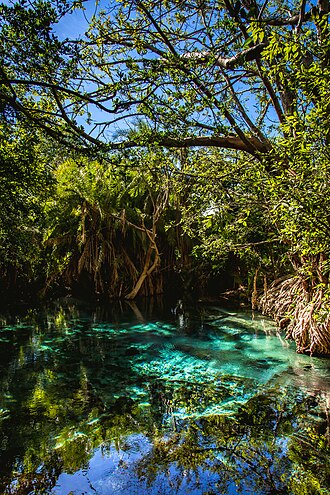
🌿Boma Sacred Sites
Sacred landscapes of the Boma Plateau where indigenous Murle and Suri peoples maintain ancient spiritual traditions.
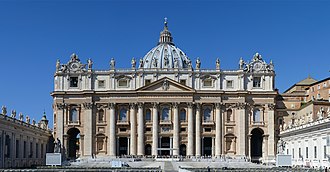
⛪Vatican City (St. Peter's Basilica)
The spiritual center of Roman Catholicism and home of the Pope.
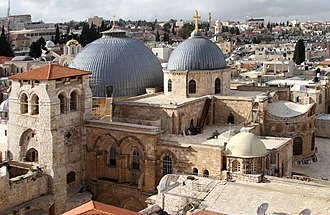
✝️Church of the Holy Sepulchre
The site where Jesus was crucified, buried, and resurrected.
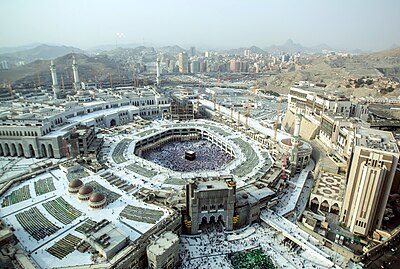
🕋Masjid al-Haram (Great Mosque of Mecca)
The holiest site in Islam, home of the Kaaba, and the destination for Hajj pilgrimage.