
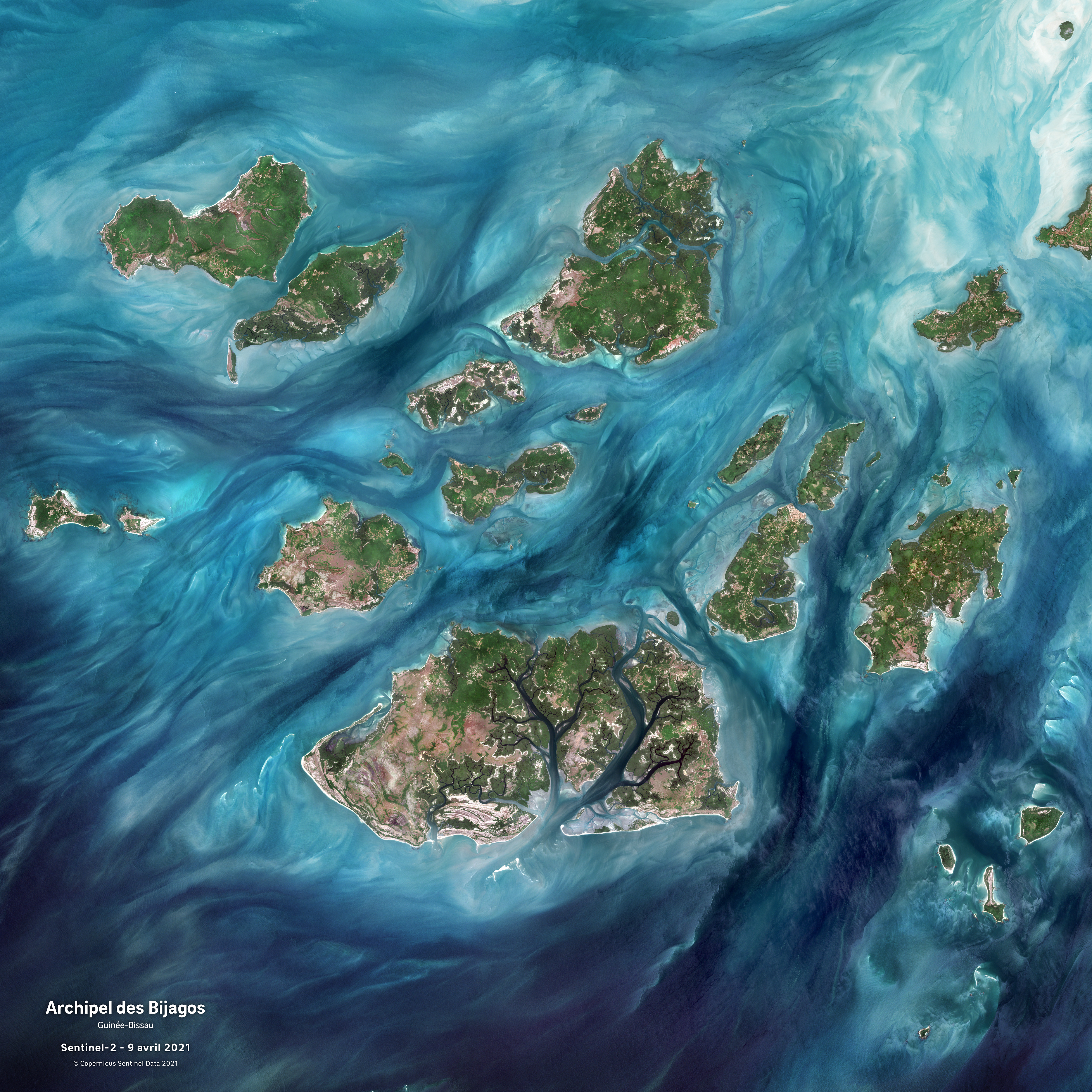
🏝️ Bijagós Islands Sacred Sites
Guinea-Bissau
About This Sacred Site
The Bijagós Islands Sacred Sites represent a network of animist spiritual locations maintained by the Bijagó people off Guinea-Bissau's coast. These sites include sacred forests, shrines, and ritual spaces where traditional ceremonies honor ancestors and nature spirits. The Bijagó maintain one of the most intact indigenous spiritual traditions in West Africa, with rituals tied to fishing seasons, fertility, and community well-being. The islands' isolation has helped preserve these sacred spaces, which remain vital to the cultural identity and religious practices of the Bijagó community.
History & Origins
The Bijagós Islands consist of 88 islands off the coast of Guinea-Bissau, inhabited since pre-colonial times by the Bijagó people, who have maintained animist spiritual practices for centuries. Approximately 20 of these islands are inhabited, while several are deemed entirely sacred and restricted from outsiders, preserving their spiritual and ecological integrity. These sacred islands were established as ritual centers well before Portuguese colonial incursions in the 15th century, serving as locations for initiation rites and ancestral worship. Oral histories trace the islands' spiritual custodianship to lineages dating back to at least the 1600s, with periodic ceremonies to honor the marine spirits said to protect the archipelago. Despite external influences, the Bijagó have resisted cultural assimilation, preserving their sacred sites through communal governance and traditional taboos.
Spiritual Significance
The Bijagó people practice animism with a focus on ancestral spirits and natural forces, centering rituals on the sacred islands considered the dwelling places of powerful deities and marine spirits. Specific ceremonies include the fanado initiation rites, which involve seclusion on sacred islands and symbolic death and rebirth, marking the transition to adulthood. Offerings of palm wine and kola nuts are made to spirits during seasonal festivals timed with lunar cycles. The spiritual leaders, called "lojom," mediate between the physical and spiritual realms, invoking ancestral blessings for community health and bountiful fishing. Pilgrimages to the forbidden islands are rare and require ritual permission, underscoring the islands' role as sanctuaries for maintaining cosmological balance and cultural continuity.
Key Facts
- •Comprises 88 islands, of which about 20 are inhabited
- •Some islands are considered entirely sacred and off-limits to outsiders
- •The Bijagó practice animist traditions centred on spirits called iran
- •Initiation rites and masked ceremonies are central to spiritual life
- •Designated a UNESCO Biosphere Reserve in 1996
Location
Coordinates: 11.2500, -16.0000
Frequently Asked Questions
What religion is Bijagós Islands Sacred Sites associated with?▾
Bijagós Islands Sacred Sites is a Indigenous holy site located in Guinea-Bissau. It was established Pre-colonial era and is ranked #890 in our global directory of sacred sites.
When was Bijagós Islands Sacred Sites established?▾
Bijagós Islands Sacred Sites dates back to Pre-colonial era. Comprises 88 islands, of which about 20 are inhabited
How many people visit Bijagós Islands Sacred Sites each year?▾
Bijagós Islands Sacred Sites receives approximately 5,000+ visitors per year. Some islands are considered entirely sacred and off-limits to outsiders
What is Bijagós Islands Sacred Sites known for?▾
Sacred archipelago off Guinea-Bissau where the Bijagó people maintain ancient animist traditions. Visitors come seeking ancestral connection, purification, spiritual enlightenment. The Bijagó practice animist traditions centred on spirits called iran
Related Holy Sites
Sacred places connected by country, religion, and purpose
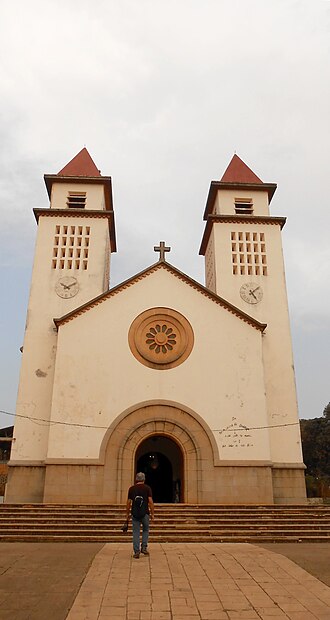
⛪Bissau Cathedral
The principal Catholic cathedral in Guinea-Bissau's capital, a legacy of Portuguese colonial missions.
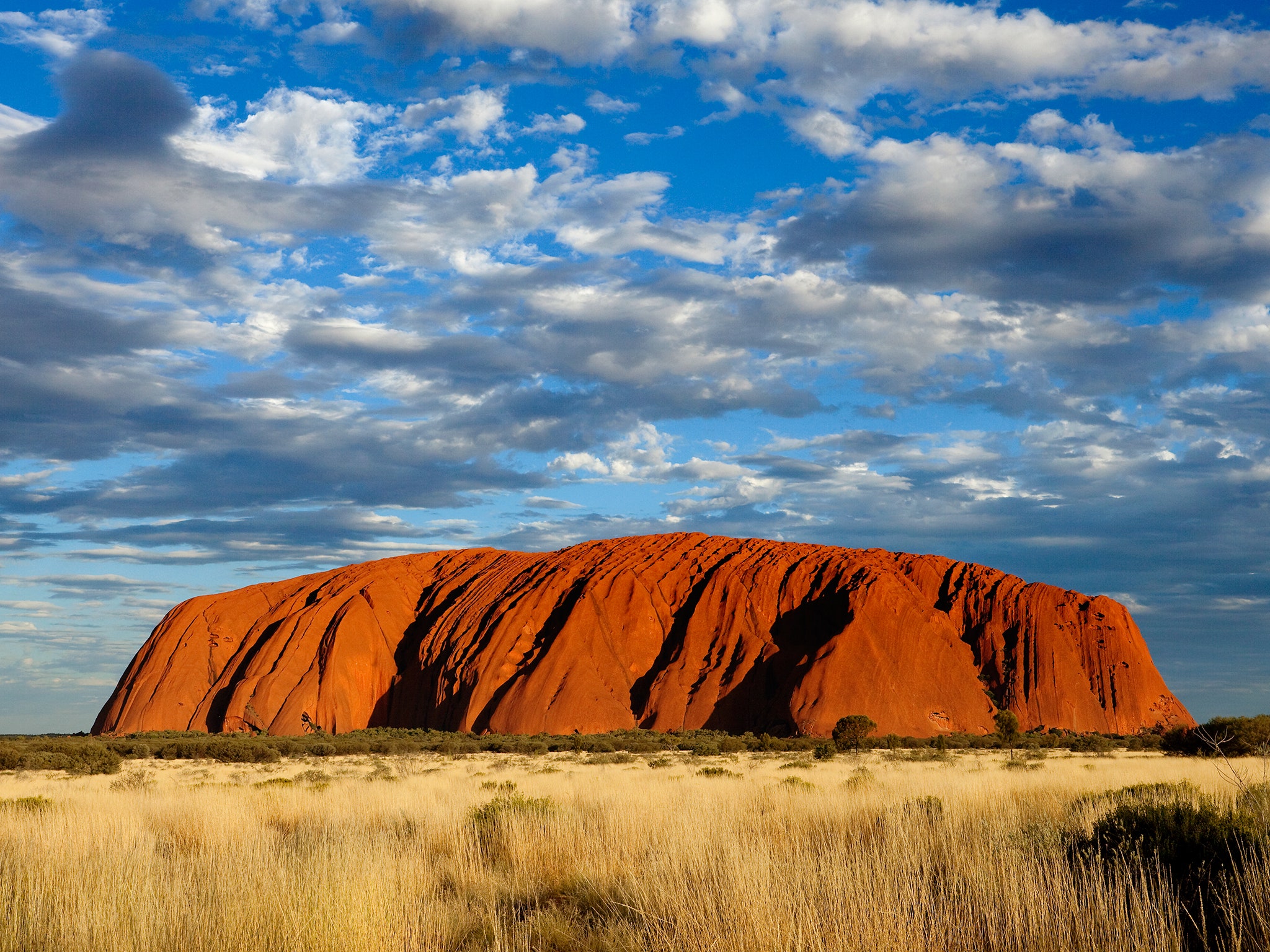
🪨Uluru (Ayers Rock)
A sacred monolith central to Aboriginal Australian creation stories.
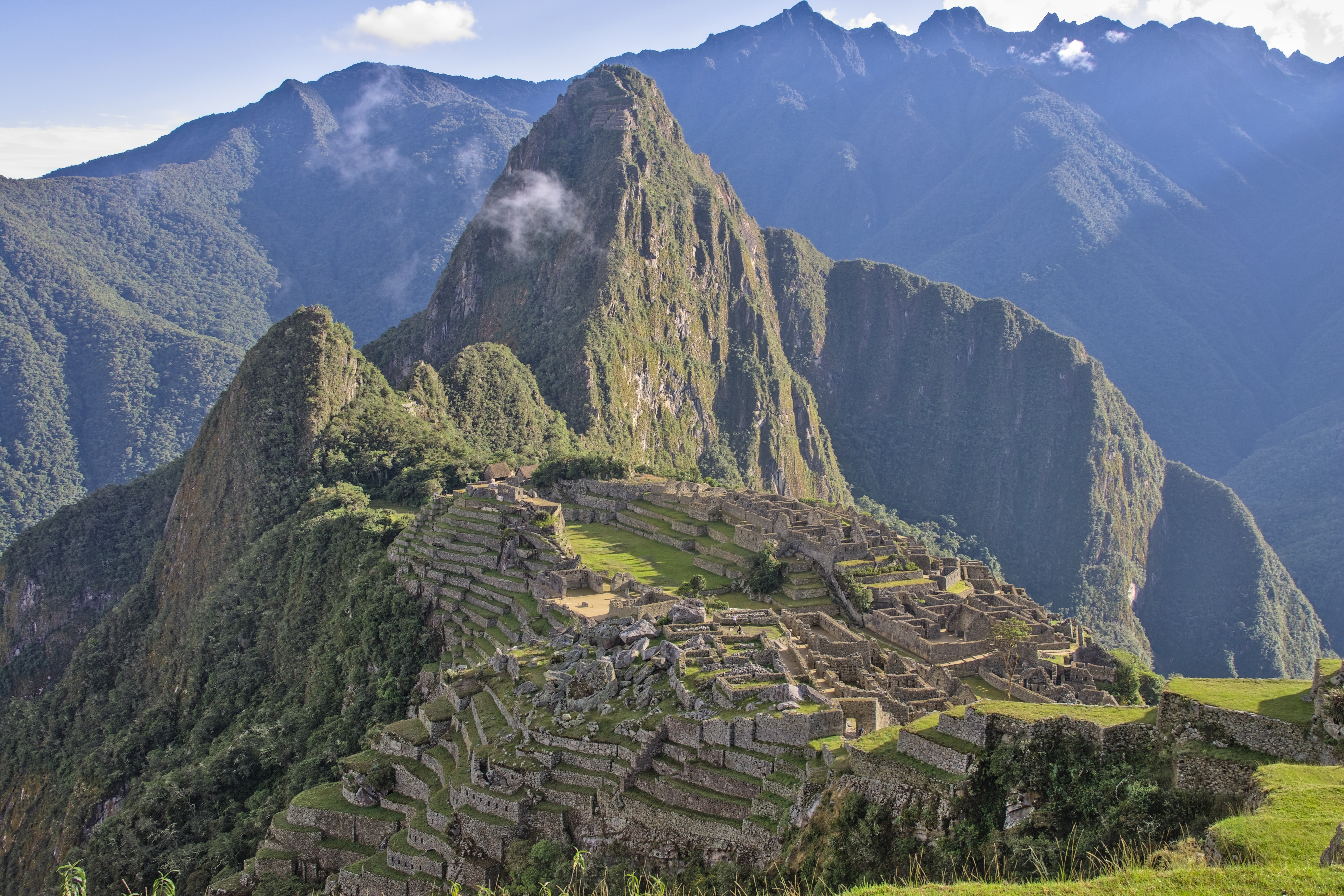
🏔️Machu Picchu
A sacred Inca citadel set high in the Andes, aligned with astronomical events.
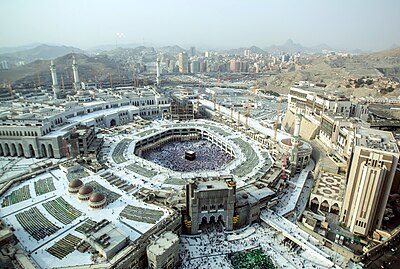
🕋Masjid al-Haram (Great Mosque of Mecca)
The holiest site in Islam, home of the Kaaba, and the destination for Hajj pilgrimage.

🕌Temple Mount / Al-Aqsa (Jerusalem)
Sacred to Judaism, Christianity, and Islam — the most contested holy site on Earth.


