⛪ Bissau Cathedral
Guinea-Bissau
About This Sacred Site
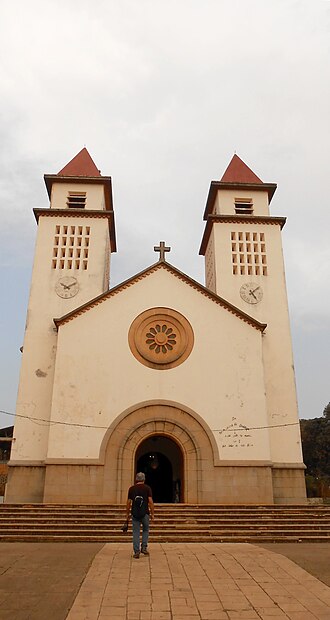
Bissau Cathedral, the Cathedral of Our Lady of Candelaria, is the main Roman Catholic church in the capital of Guinea-Bissau. Built during the Portuguese colonial period, it serves as the seat of the Diocese of Bissau. In a country where Islam and indigenous religions are predominant, the cathedral represents the Christian minority's spiritual heritage and serves as an ecumenical meeting point. The cathedral's simple architecture reflects the modest resources of the colonial church in West Africa.
History & Origins
Bissau Cathedral, officially the Cathedral of Our Lady of Candelaria, was constructed during the Portuguese colonial era in the 1940s. Serving as the main Roman Catholic church in Guinea-Bissau's capital, it was built to accommodate the increasing Catholic population and to symbolize Portuguese religious influence. The cathedral features a blend of Portuguese and local architectural elements, with a notable façade and bell tower. Over the years, it has been central to religious life, hosting major liturgical events and serving as a symbol of resilience amid political changes, including the country's independence movement. Renovations have preserved its structure and enhanced its role as a spiritual and cultural landmark.
Spiritual Significance
As the seat of the Roman Catholic Diocese of Bissau, this cathedral functions as the principal place of worship for Guinea-Bissau's approximately 10% Christian population. Constructed in the 1940s during Portuguese colonial rule, it follows the Latin Rite and houses relics and icons significant to the Lusophone Catholic community. The cathedral celebrates the Feast of the Immaculate Conception on December 8th with large liturgical gatherings led by the Bishop of Bissau, reflecting its dedication to the Virgin Mary. Weekly Masses include readings from the Roman Missal and homilies that often address the intersection of faith and local cultural identity. The cathedral is also a pilgrimage site during Holy Week, when processions incorporate both European and African Christian traditions, symbolizing the fusion of colonial heritage and indigenous faith expressions.
Key Facts
- •Seat of the Roman Catholic Diocese of Bissau
- •Built during the Portuguese colonial era
- •Christians make up roughly 10% of Guinea-Bissau's population
- •Named in honour of Our Lady of Candelaria
- •Serves as a centre for interfaith dialogue in a predominantly Muslim country
Location
Coordinates: 11.8636, -15.5978
Frequently Asked Questions
What religion is Bissau Cathedral associated with?▾
Bissau Cathedral is a Christianity holy site located in Guinea-Bissau. It was established 1940s and is ranked #994 in our global directory of sacred sites.
When was Bissau Cathedral established?▾
Bissau Cathedral dates back to 1940s. Seat of the Roman Catholic Diocese of Bissau
How many people visit Bissau Cathedral each year?▾
Bissau Cathedral receives approximately 15,000+ visitors per year. Built during the Portuguese colonial era
What is Bissau Cathedral known for?▾
The principal Catholic cathedral in Guinea-Bissau's capital, a legacy of Portuguese colonial missions. Visitors come seeking blessings, peace, salvation. Christians make up roughly 10% of Guinea-Bissau's population
Related Holy Sites
Sacred places connected by country, religion, and purpose
🏝️Bijagós Islands Sacred Sites
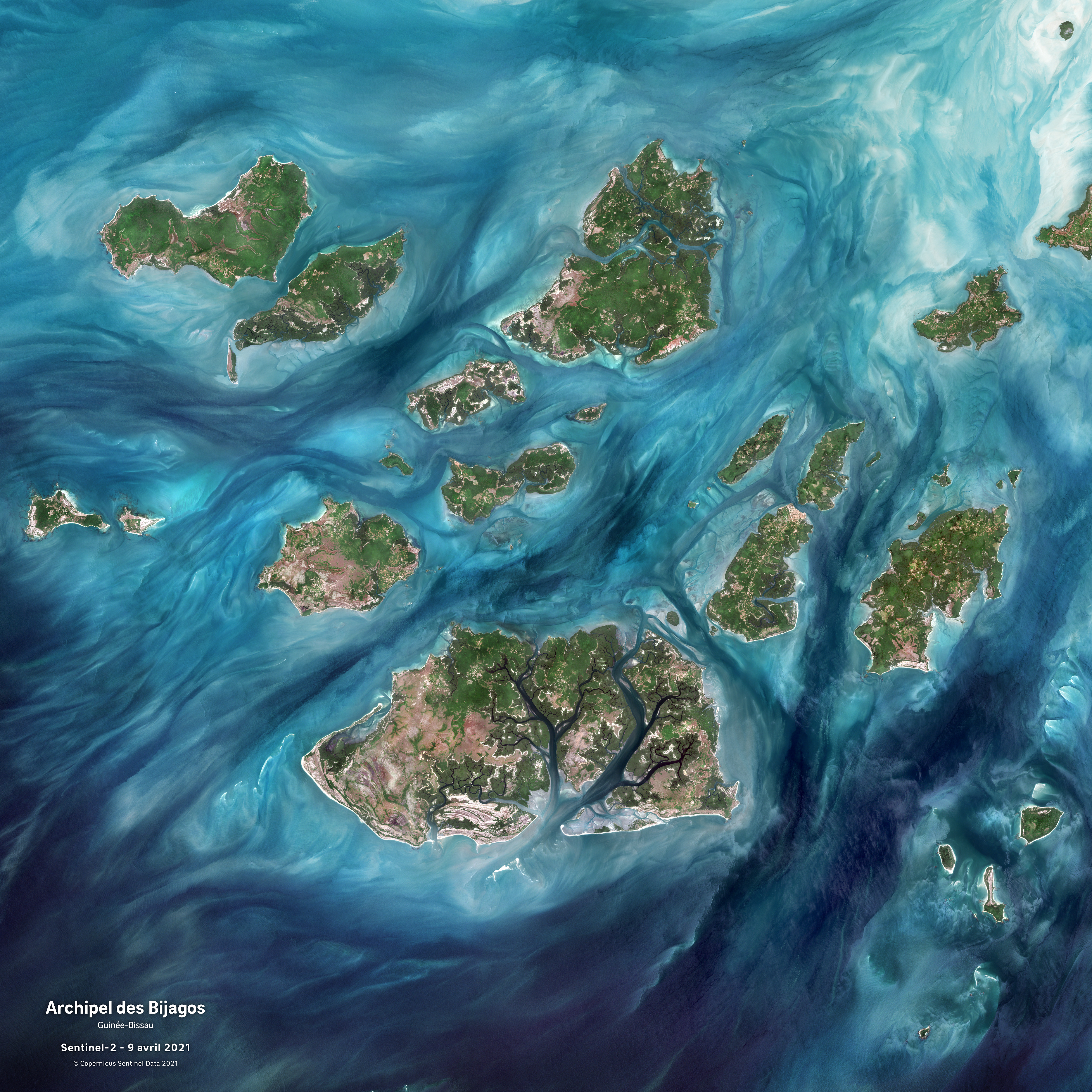
Sacred archipelago off Guinea-Bissau where the Bijagó people maintain ancient animist traditions.
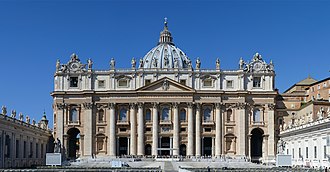
⛪Vatican City (St. Peter's Basilica)
The spiritual center of Roman Catholicism and home of the Pope.
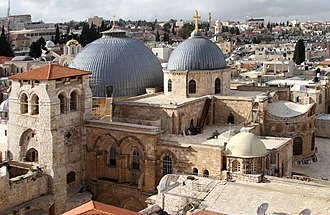
✝️Church of the Holy Sepulchre
The site where Jesus was crucified, buried, and resurrected.
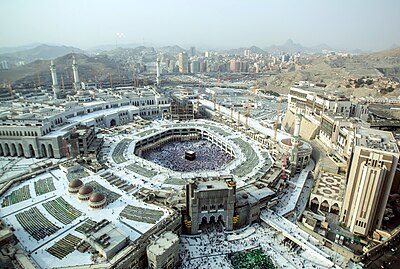
🕋Masjid al-Haram (Great Mosque of Mecca)
The holiest site in Islam, home of the Kaaba, and the destination for Hajj pilgrimage.