
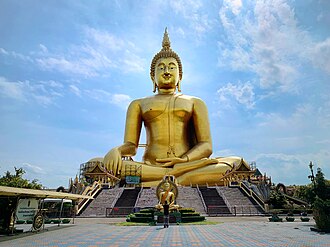
🧘 Big Buddha (Phra Phutthamingmongkol Akenakkhiri)
Thailand
About This Sacred Site
The Big Buddha of Phuket is a 45-meter-tall seated Buddha statue perched atop Nakkerd Hill between Chalong and Kata, offering 360-degree panoramic views of the island. The statue is covered in white Burmese marble that gleams in the tropical sunlight and can be seen from almost anywhere in southern Phuket. Construction began in 2004 and the site is still being expanded and embellished with additional shrines and meditation spaces. The base of the statue houses a small museum and several smaller Buddha images. The hilltop location, ocean breezes, and tinkling of wind bells create a remarkably peaceful atmosphere despite the large number of visitors. Donations from visitors fund the ongoing construction.
Spiritual Significance
The Big Buddha statue, officially named Phra Phutthamingmongkol Akenakkhiri, represents the Gautama Buddha in the Maravijaya attitude, symbolizing victory over the temptations of Mara as described in the Pali Canon. Pilgrims often circumambulate the 45-meter tall statue, which is covered in white Burmese marble, a material chosen for its purity and association with spiritual clarity in Theravada Buddhism. The site hosts annual ceremonies during Makha Bucha and Visakha Bucha days, where monks chant verses from the Tipitaka scriptures, and devotees offer alms and light incense at the base of the statue. The statue's location atop Nakkerd Hill in southern Phuket allows it to be visible from almost anywhere on the island, serving as a constant spiritual beacon for locals and visitors. Construction, begun in 2004 and ongoing, involves community donations, reflecting the Buddhist practice of dana (generosity), which is believed to accumulate merit for future rebirths. The statue also functions as a meditation site, where guided Vipassana sessions are held, emphasizing mindfulness and insight as taught by the Thai Forest Tradition.
Key Facts
- •The statue is 45 meters tall and 25 meters wide, covered in white Burmese marble
- •Visible from almost anywhere in southern Phuket
- •Construction began in 2004 and is still ongoing, funded by visitor donations
- •Sits atop Nakkerd Hill at approximately 400 meters above sea level
- •Wind bells at the base create a distinctive peaceful soundscape
Location
Coordinates: 7.8278, 98.3133
Frequently Asked Questions
What religion is Big Buddha (Phra Phutthamingmongkol Akenakkhiri) associated with?▾
Big Buddha (Phra Phutthamingmongkol Akenakkhiri) is a Buddhism holy site located in Thailand. It was established 2004 (ongoing) and is ranked #679 in our global directory of sacred sites.
When was Big Buddha (Phra Phutthamingmongkol Akenakkhiri) established?▾
Big Buddha (Phra Phutthamingmongkol Akenakkhiri) dates back to 2004 (ongoing). The statue is 45 meters tall and 25 meters wide, covered in white Burmese marble
How many people visit Big Buddha (Phra Phutthamingmongkol Akenakkhiri) each year?▾
Big Buddha (Phra Phutthamingmongkol Akenakkhiri) receives approximately 2+ million visitors per year. Visible from almost anywhere in southern Phuket
What is Big Buddha (Phra Phutthamingmongkol Akenakkhiri) known for?▾
A 45-meter-tall marble Buddha sitting atop Nakkerd Hill with panoramic views of Phuket. Visitors come seeking peace, blessings, meditation, spiritual enlightenment. Construction began in 2004 and is still ongoing, funded by visitor donations
Related Holy Sites
Sacred places connected by country, religion, and purpose
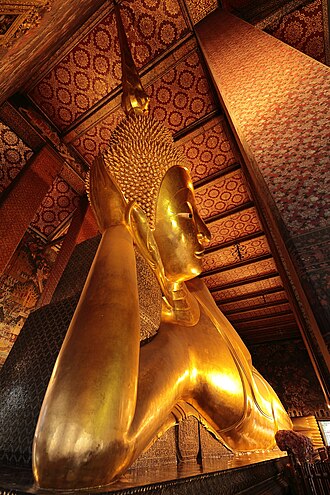
🙏Wat Pho (Temple of the Reclining Buddha)
Home to a 46-meter golden reclining Buddha and the birthplace of Thai massage.
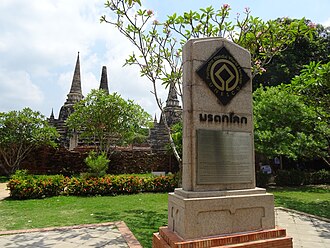
🏛️Ayutthaya Historical Park
The ruins of Thailand's ancient capital, with hundreds of Buddhist temple remains.
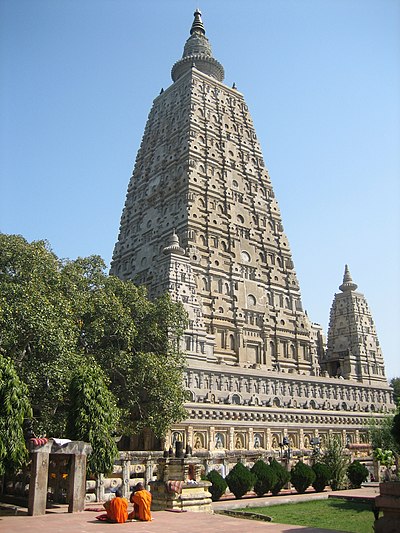
☸️Bodh Gaya (Mahabodhi Temple)
Where Siddhartha Gautama attained enlightenment and became the Buddha.
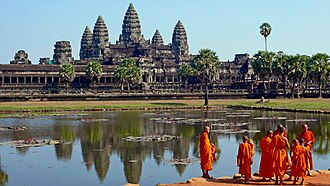
🛕Angkor Wat
The largest religious monument in the world, originally Hindu then Buddhist.



