🕌 Bibi-Khanym Mosque
Uzbekistan
About This Sacred Site
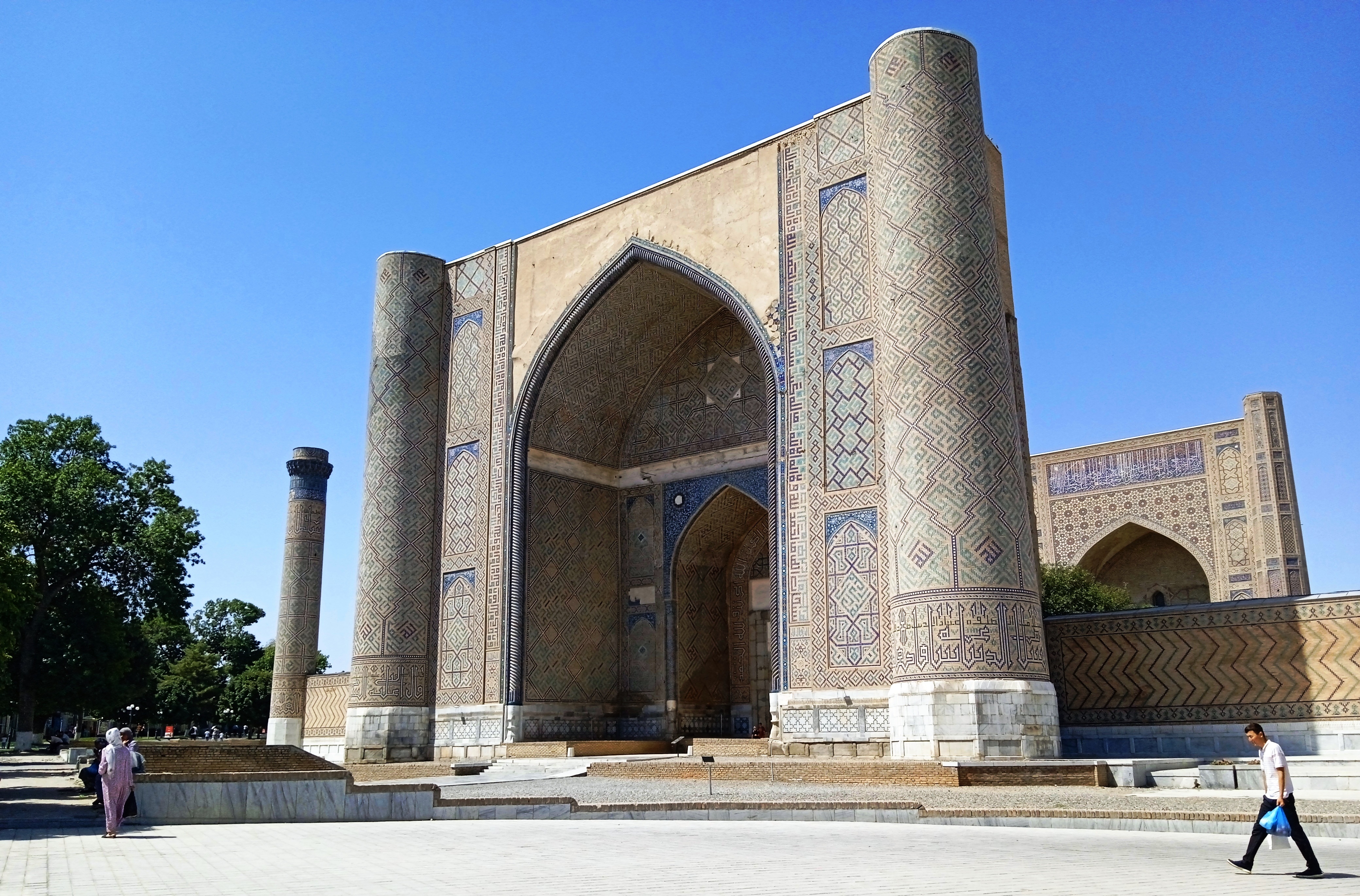
The Bibi-Khanym Mosque in Samarkand was one of the most ambitious architectural projects of Tamerlane (Timur), built between 1399 and 1404 after his victorious campaign in India. Named after his favorite wife, the mosque was intended to be the grandest in the Islamic world, with a main portal reaching 35 meters and a courtyard large enough to hold the entire male population of Samarkand. Though much of the original structure collapsed over the centuries due to the overly ambitious scale, extensive restoration has returned much of its former grandeur.
History & Origins
The Bibi-Khanym Mosque in Samarkand, constructed between 1399 and 1404 by the conqueror Tamerlane (Timur), was intended as one of the grandest mosques of the Islamic world. Named after Timur's wife, Bibi-Khanym, the mosque symbolized the empire's power and Timur’s devotion. Its vast courtyard, imposing portal, and soaring domes reflected Timurid architectural ambition, incorporating Persian and Central Asian design elements. Although damaged by earthquakes and neglect over centuries, extensive restoration efforts have revived its grandeur. The mosque historically served as a major religious and social center for Samarkand, representing Timur’s legacy and the cultural flowering of the Timurid dynasty.
Spiritual Significance
Commissioned by Tamerlane between 1399 and 1404 CE, the mosque named after his wife, Bibi-Khanym, became a symbol of imperial piety and Muslim devotion in Central Asia. The mosque's main portal, towering 35 meters, serves as a grand entrance for congregational prayers, especially during Eid al-Fitr and Eid al-Adha, when thousands gather for communal worship. The mosque's original intention to be the largest in the Islamic world reflects Tamerlane's ambition to manifest religious authority through monumental architecture. Pilgrims often perform ritual ablutions in the mosque's courtyards before attending the five daily prayers, following Hanafi fiqh traditions dominant in Uzbekistan. The mosque is also a site for reciting the Dala'il al-Khayrat, devotional prayers invoking blessings upon the Prophet Muhammad, reflecting its role in local spiritual practices. Its vast prayer hall and courtyard accommodate significant religious festivals and serve as a locus for Islamic learning and Sufi gatherings.
Key Facts
- •Built by Tamerlane between 1399 and 1404
- •Named after Tamerlane's favorite wife, Bibi-Khanym
- •The main portal is 35 meters tall
- •Was intended to be the largest mosque in the Islamic world
- •Much of the structure collapsed due to its ambitious scale
Location
Coordinates: 39.6611, 66.9797
Frequently Asked Questions
What religion is Bibi-Khanym Mosque associated with?▾
Bibi-Khanym Mosque is a Islam holy site located in Uzbekistan. It was established 1404 and is ranked #440 in our global directory of sacred sites.
When was Bibi-Khanym Mosque established?▾
Bibi-Khanym Mosque dates back to 1404. Built by Tamerlane between 1399 and 1404
How many people visit Bibi-Khanym Mosque each year?▾
Bibi-Khanym Mosque receives approximately 800,000 visitors per year. Named after Tamerlane's favorite wife, Bibi-Khanym
What is Bibi-Khanym Mosque known for?▾
A monumental mosque built by Tamerlane in Samarkand, once the largest in Central Asia. Visitors come seeking pilgrimage, peace, spiritual enlightenment, blessings. The main portal is 35 meters tall
Related Holy Sites
Sacred places connected by country, religion, and purpose
🕌Hazrat Imam Complex (Tashkent)
Tashkent's spiritual center, housing one of the world's oldest Quran manuscripts.
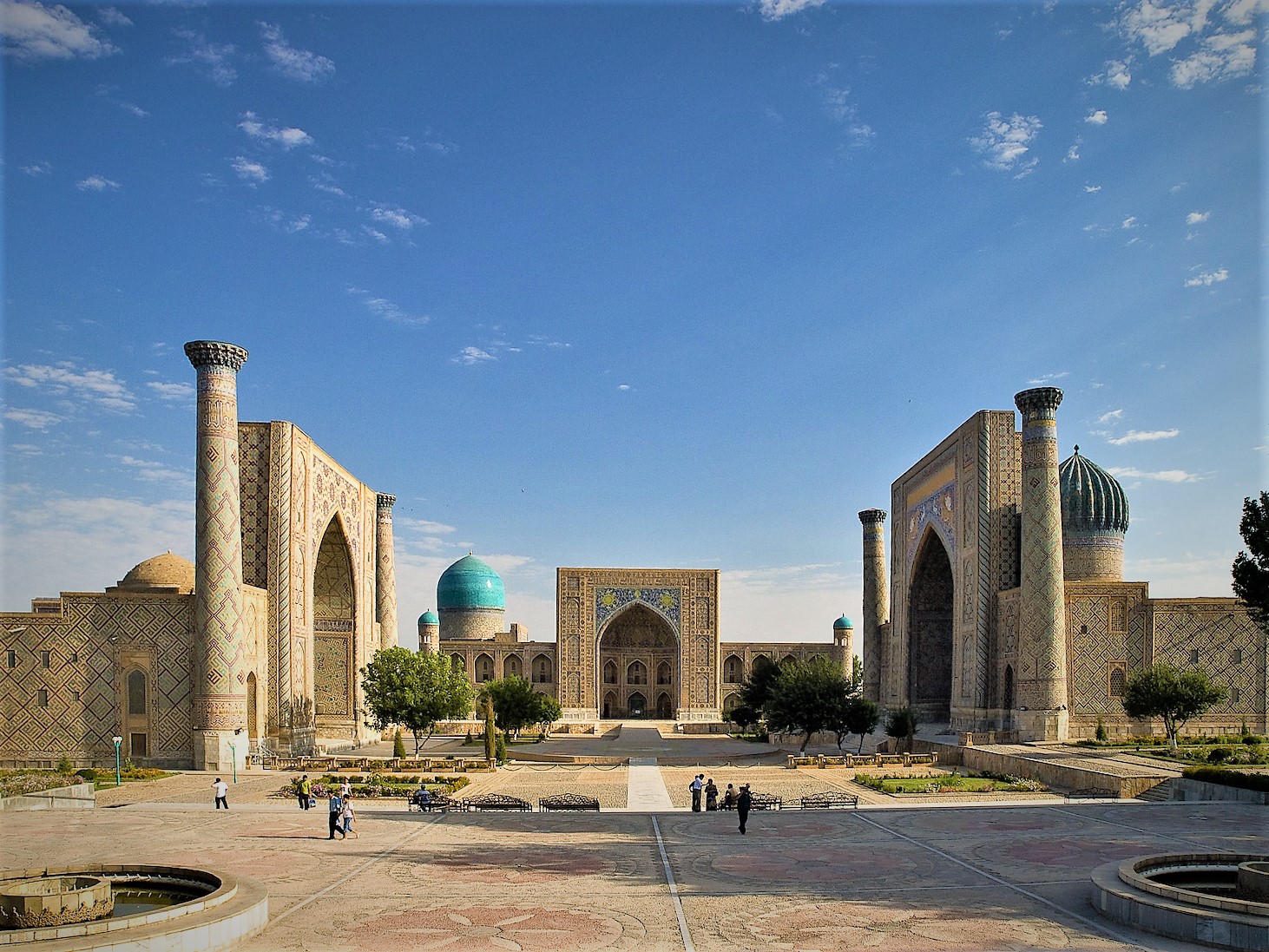
🕌Registan (Samarkand)
One of the finest public squares in the Islamic world, framed by three grand madrasas.