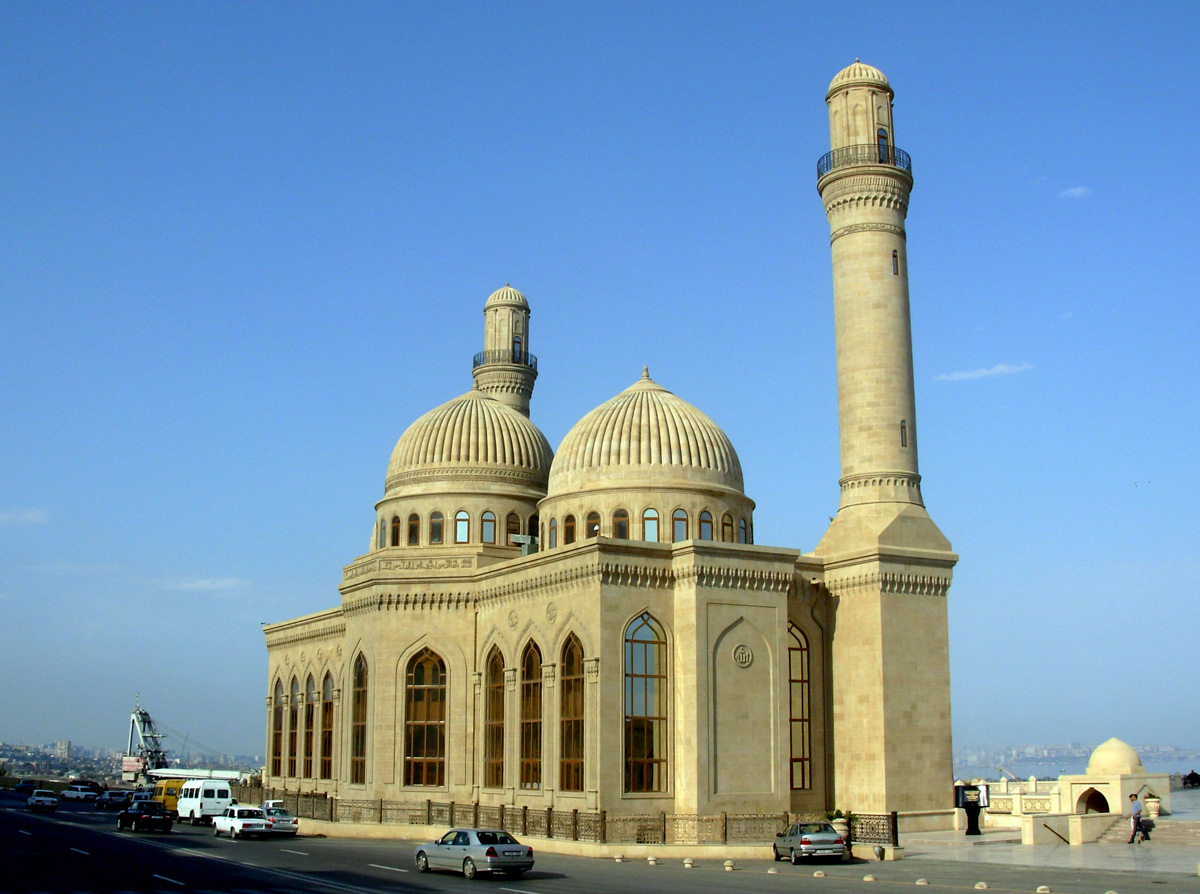
🕌 Bibi-Heybat Mosque
Azerbaijan
About This Sacred Site
The Bibi-Heybat Mosque, located on the shores of the Caspian Sea south of Baku, is one of the most important mosques in Azerbaijan. The original 13th-century mosque was destroyed by the Soviet regime in 1936 and was painstakingly reconstructed in the 1990s after Azerbaijan's independence. The mosque contains the tomb of Ukeyma Khanum, a descendant of Prophet Muhammad, making it a significant pilgrimage site. The three-domed mosque with twin minarets is a powerful symbol of Azerbaijan's post-Soviet Islamic revival.
History & Origins
The original Bibi-Heybat Mosque was constructed in the 13th century in Baku, Azerbaijan, over the tomb of Ukeyma Khanum, a descendant of the Prophet Muhammad. This mosque was an important pilgrimage destination until it was destroyed by Soviet authorities in 1936 as part of anti-religious campaigns. Following Azerbaijan’s independence in the 1990s, the mosque was meticulously reconstructed between 1994 and 1998, replicating the Shirvan architectural style typical of the medieval period. The restored mosque features a large dome and minaret and houses the revered tomb chamber. It remains a prominent example of Islamic architecture and heritage in Azerbaijan, symbolizing resilience against suppression.
Spiritual Significance
The mosque is a major pilgrimage site for Shia Muslims in Azerbaijan, particularly during the annual commemoration of Ukeyma Khanum’s death anniversary, which includes Quran recitations from the Tafsir al-Mizan commentary. Pilgrims perform ziyarat, visiting the tomb to seek blessings and intercession. The mosque also hosts collective prayers during Ramadan and Muharram, with special emphasis on the martyrdom of Imam Hussain, linking to Ukeyma Khanum’s prophetic lineage. The site is mentioned in local hagiographies and is associated with spiritual healing and protection. Rituals include lighting candles near the tomb and reciting du'as from the Nahj al-Balagha, reinforcing its theological significance in Shia devotional practice.
Key Facts
- •Original 13th-century mosque was destroyed by the Soviets in 1936
- •Reconstructed in the 1990s after independence
- •Contains the tomb of Ukeyma Khanum, descendant of Prophet Muhammad
- •Located on the Caspian Sea shore south of Baku
- •Symbol of Azerbaijan's post-Soviet religious revival
Location
Coordinates: 40.3078, 49.8200
Frequently Asked Questions
What religion is Bibi-Heybat Mosque associated with?▾
Bibi-Heybat Mosque is a Islam holy site located in Azerbaijan. It was established 13th century (reconstructed 1998) and is ranked #372 in our global directory of sacred sites.
When was Bibi-Heybat Mosque established?▾
Bibi-Heybat Mosque dates back to 13th century (reconstructed 1998). Original 13th-century mosque was destroyed by the Soviets in 1936
How many people visit Bibi-Heybat Mosque each year?▾
Bibi-Heybat Mosque receives approximately 500,000 visitors per year. Reconstructed in the 1990s after independence
What is Bibi-Heybat Mosque known for?▾
A reconstructed 13th-century mosque on the Caspian shore, one of the spiritual symbols of Baku. Visitors come seeking pilgrimage, healing, blessings, peace. Contains the tomb of Ukeyma Khanum, descendant of Prophet Muhammad
Related Holy Sites
Sacred places connected by country, religion, and purpose
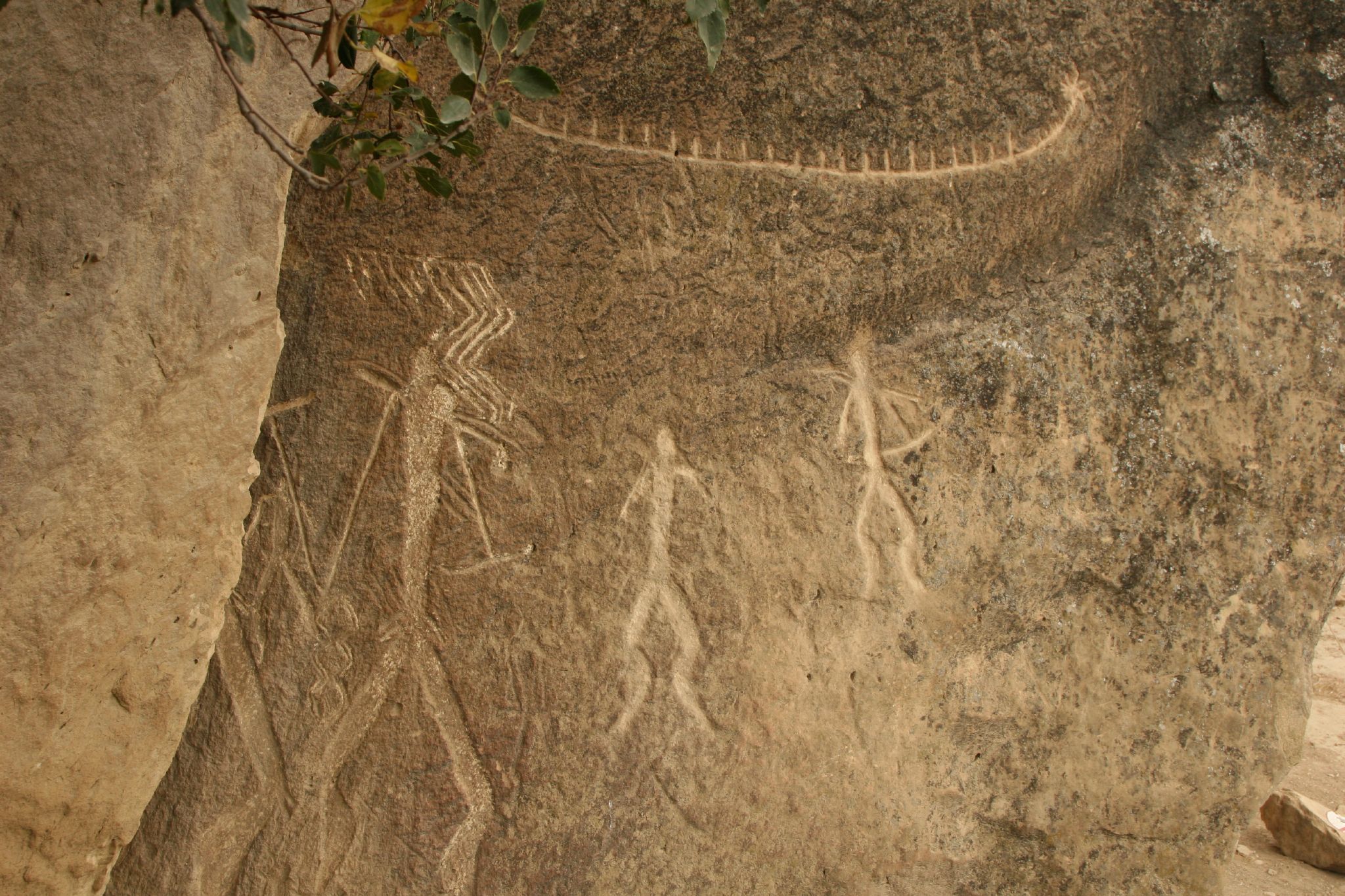
🪨Gobustan Petroglyphs
A UNESCO site with 6,000+ ancient rock carvings reflecting prehistoric spiritual beliefs.
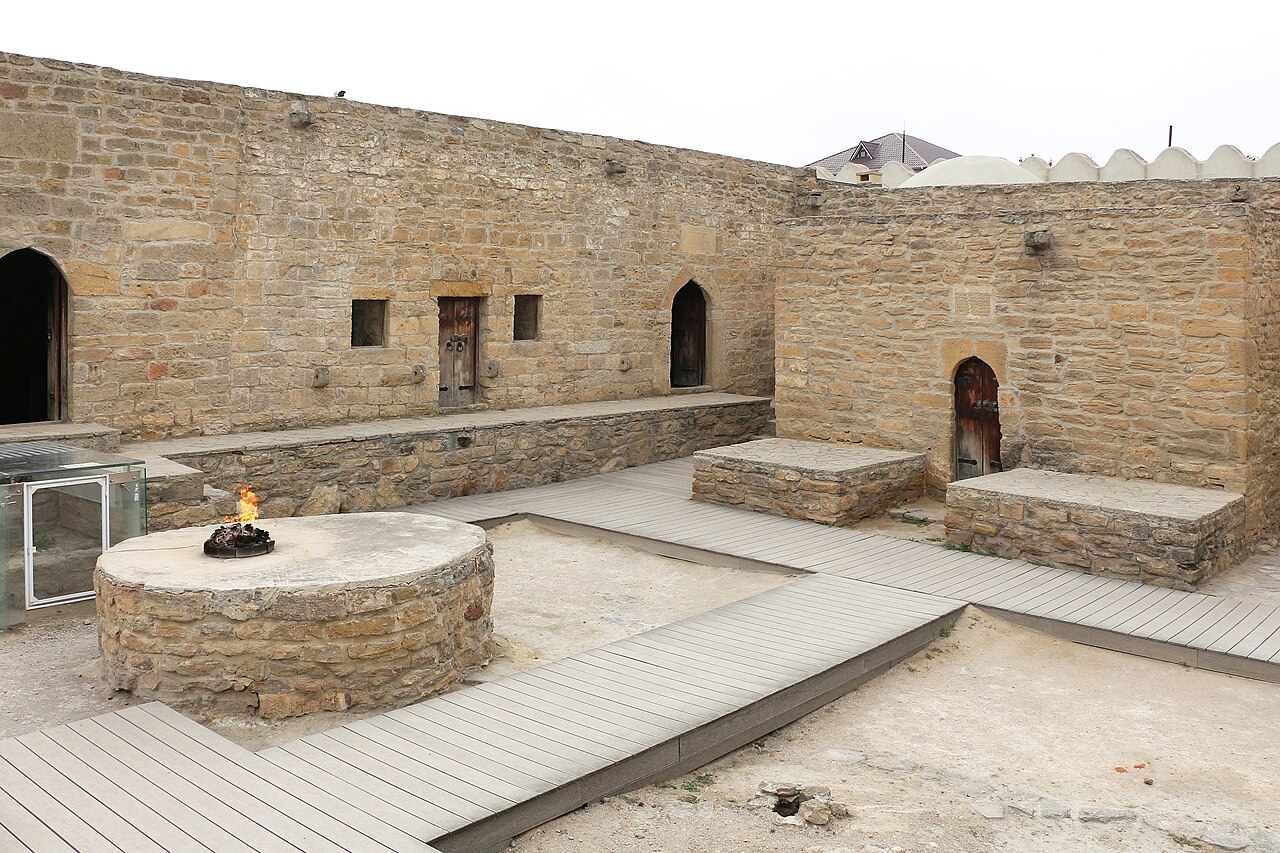
🔥Ateshgah Fire Temple
A fire temple on the Absheron Peninsula, sacred to Zoroastrian, Hindu, and Sikh worshippers.