🔥 Ateshgah Fire Temple
Azerbaijan
About This Sacred Site
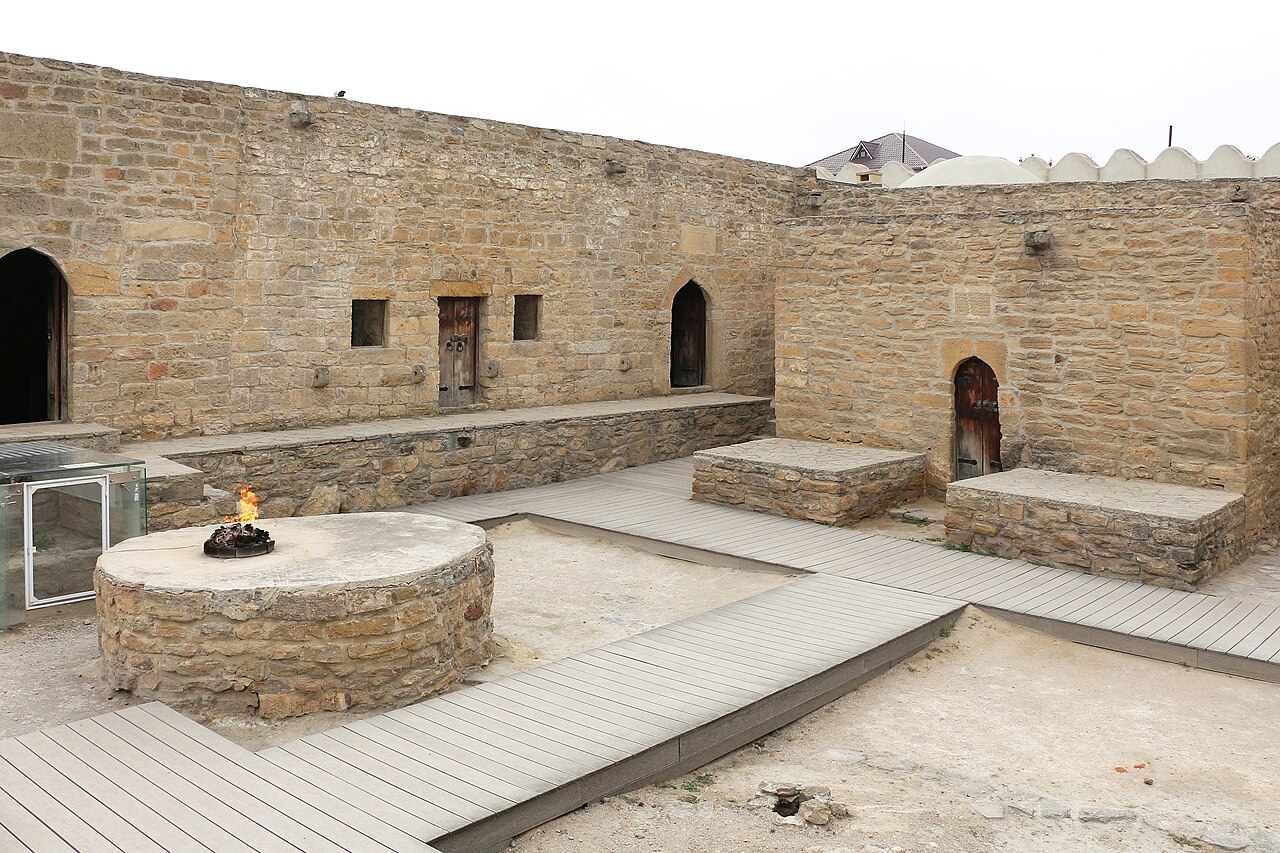
The Ateshgah Fire Temple on the Absheron Peninsula near Baku is a unique religious site where natural gas seeps created eternal flames that attracted worshippers of multiple faiths. The current pentagonal structure was built between the 17th and 18th centuries by Indian traders and contains inscriptions in Sanskrit, Gurmukhi, and Persian, reflecting its use by Hindus, Sikhs, and Zoroastrians. The site demonstrates the ancient Azerbaijani tradition of fire worship and the cross-cultural religious exchanges along the Silk Road.
History & Origins
The Ateshgah Fire Temple, located near Baku, Azerbaijan, was constructed in the 17th century atop an ancient site known for natural gas seeps that produced eternal flames. Historical records indicate the temple was used by Hindus, Sikhs, and Zoroastrians from the 17th to 19th centuries. Inscriptions found at the site are in Sanskrit, Gurmukhi, and Persian, evidencing its multi-faith use, particularly by Indian traders and pilgrims. The pentagonal complex contains a central altar surrounded by cells for monks and pilgrims. The temple was abandoned in the late 19th century when natural gas seepage diminished. It was restored in the 20th century and is now a museum and pilgrimage site, illustrating the syncretism of fire worship traditions.
Spiritual Significance
The temple’s eternal flame was central to fire worship rituals in Zoroastrianism, symbolizing purity and divine presence as per the Avesta. Sikh devotees recited passages from the Guru Granth Sahib during their visits, while Hindu pilgrims performed yajnas (fire sacrifices) in the courtyard. The presence of inscriptions in multiple languages marks its role as a cross-cultural pilgrimage destination. Annual festivals such as the Hindu festival of Diwali and the Zoroastrian Gahambars were celebrated here, involving communal prayers and offerings to the fire. The site’s architecture, with its altar designed to contain the natural flame, reflects theological doctrines emphasizing fire’s sanctity across these religions. Pilgrims historically undertook purification rites before entering, underscoring its ritual importance.
Key Facts
- •Built on a natural gas seep that created eternal flames
- •Contains inscriptions in Sanskrit, Gurmukhi, and Persian
- •Used by Hindus, Sikhs, and Zoroastrians
- •The current structure dates to the 17th-18th centuries
- •Azerbaijan's name may derive from 'land of fire'
Location
Coordinates: 40.4156, 50.0086
Frequently Asked Questions
What religion is Ateshgah Fire Temple associated with?▾
Ateshgah Fire Temple is a Multi-faith holy site located in Azerbaijan. It was established 17th century (on ancient site) and is ranked #346 in our global directory of sacred sites.
When was Ateshgah Fire Temple established?▾
Ateshgah Fire Temple dates back to 17th century (on ancient site). Built on a natural gas seep that created eternal flames
How many people visit Ateshgah Fire Temple each year?▾
Ateshgah Fire Temple receives approximately 200,000 visitors per year. Contains inscriptions in Sanskrit, Gurmukhi, and Persian
What is Ateshgah Fire Temple known for?▾
A fire temple on the Absheron Peninsula, sacred to Zoroastrian, Hindu, and Sikh worshippers. Visitors come seeking purification, spiritual enlightenment, ancestral connection, meditation. Used by Hindus, Sikhs, and Zoroastrians
Related Holy Sites
Sacred places connected by country, religion, and purpose
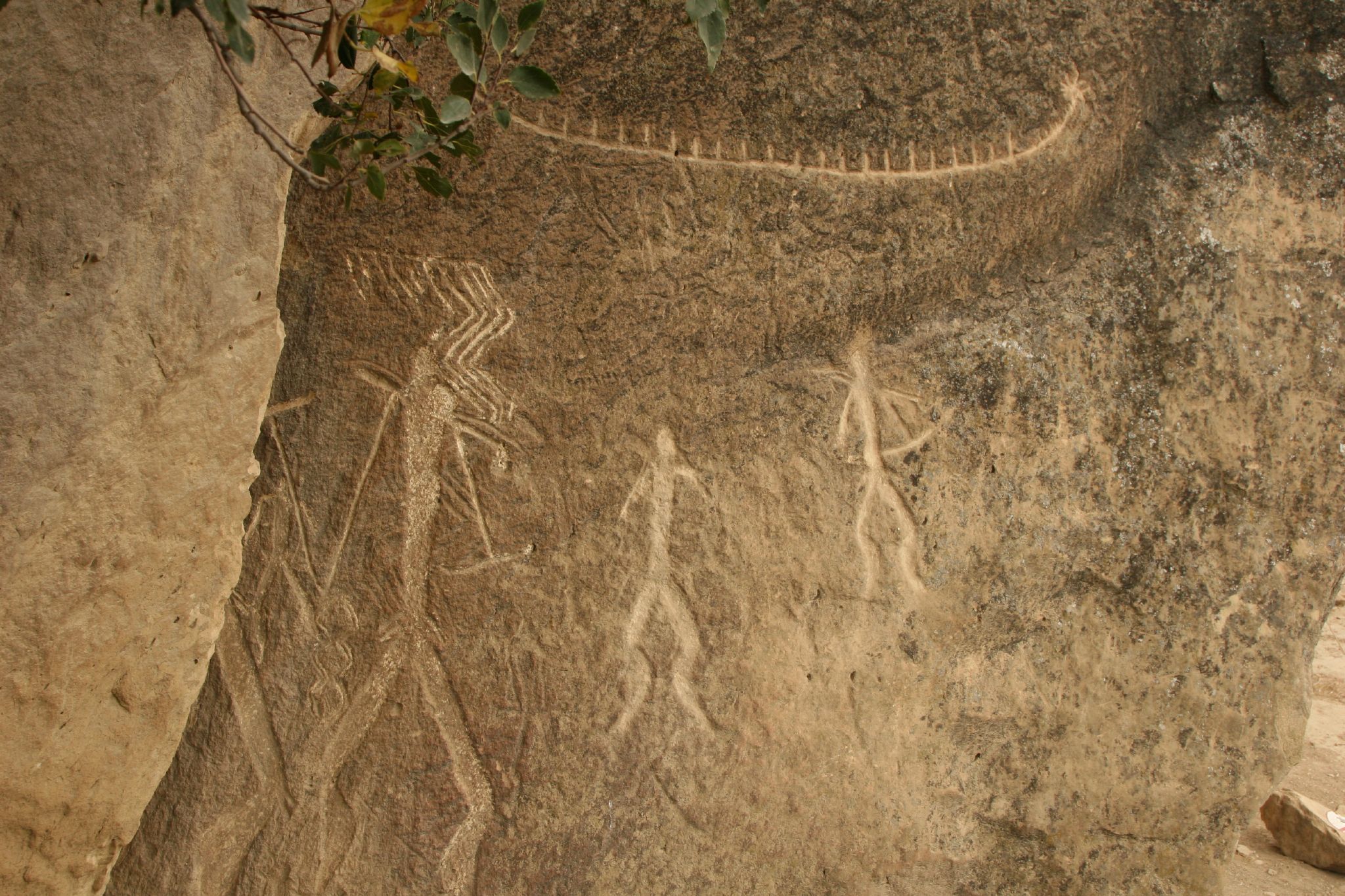
🪨Gobustan Petroglyphs
A UNESCO site with 6,000+ ancient rock carvings reflecting prehistoric spiritual beliefs.
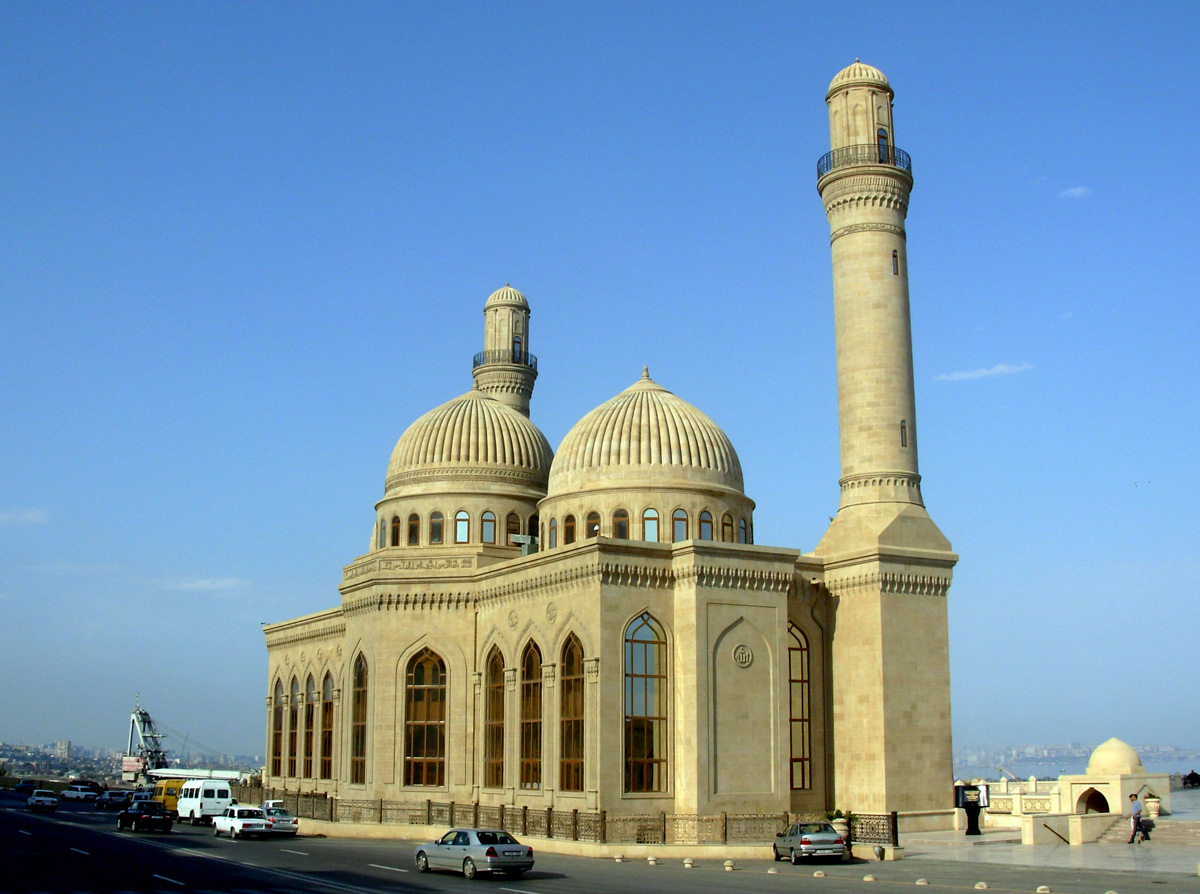
🕌Bibi-Heybat Mosque
A reconstructed 13th-century mosque on the Caspian shore, one of the spiritual symbols of Baku.
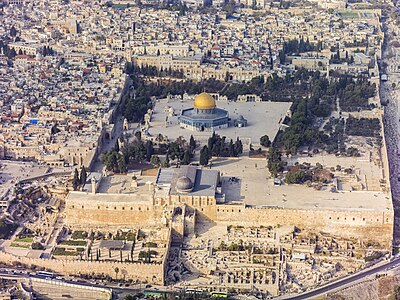
🕌Temple Mount / Al-Aqsa (Jerusalem)
Sacred to Judaism, Christianity, and Islam — the most contested holy site on Earth.
🏛️Hagia Sophia
A masterpiece that served as cathedral, mosque, and museum across centuries.