🙏 Betty's Hope Plantation Chapel
Antigua and Barbuda
About This Sacred Site
Betty's Hope Plantation Chapel, established in 1651, was integral to one of Antigua's first large-scale sugar plantations founded by the Codrington family. The chapel served as a spiritual center for enslaved workers and plantation owners alike, reflecting the intertwined nature of religion and colonial plantation life. Though now a ruin, remnants of its stone foundations and layout provide insight into early colonial religious architecture. The site remains a poignant reminder of Antigua's colonial past and the role of Christianity within plantation society.
History & Origins
Established in 1651, the plantation was one of Antigua's earliest sugar estates, initiated under British colonial expansion. The Codrington family managed the property from the late 17th century through the early 19th century, overseeing both sugar production and the chapel's construction for enslaved workers' worship. The chapel's initial wooden structure was replaced with stone in the 18th century, reflecting architectural developments of the period. Post-emancipation, the chapel served a freedmen congregation, marking a transition in its religious role. Archaeological excavations in the 20th century uncovered foundations and artifacts, aiding restoration efforts. Though the plantation ceased sugar operations in the mid-20th century, the chapel remains a preserved ruin within the Betty's Hope heritage site. The site symbolizes both colonial exploitation and spiritual resilience through centuries of Antigua's history.
Spiritual Significance
The chapel functioned as a vital worship space for enslaved Africans on the plantation, where Anglican liturgies were adapted to local contexts, integrating African spiritual elements. Sunday services centered on Psalms and hymns that offered solace and hope, aligned with Isaiah 61:1-3's message of liberation. The Codrington proprietors mandated religious instruction as part of their 'moral reform' policies, underscoring Christianization efforts during slavery. Post-emancipation, the chapel became a symbol of spiritual autonomy for the freed community, with annual commemorations on Emancipation Day held on August 1st. Pilgrims visit to honor ancestors who worshipped under harsh conditions, and rituals include the reading of the Lord's Prayer in Creole dialects. The chapel's ruins stand as a testament to the intersection of faith and endurance amid Antigua's colonial past.
Key Facts
- •Established in 1651, making it one of the oldest sugar plantations in Antigua
- •Operated by the Codrington family for over 200 years
- •The chapel served as a site of worship for enslaved Africans
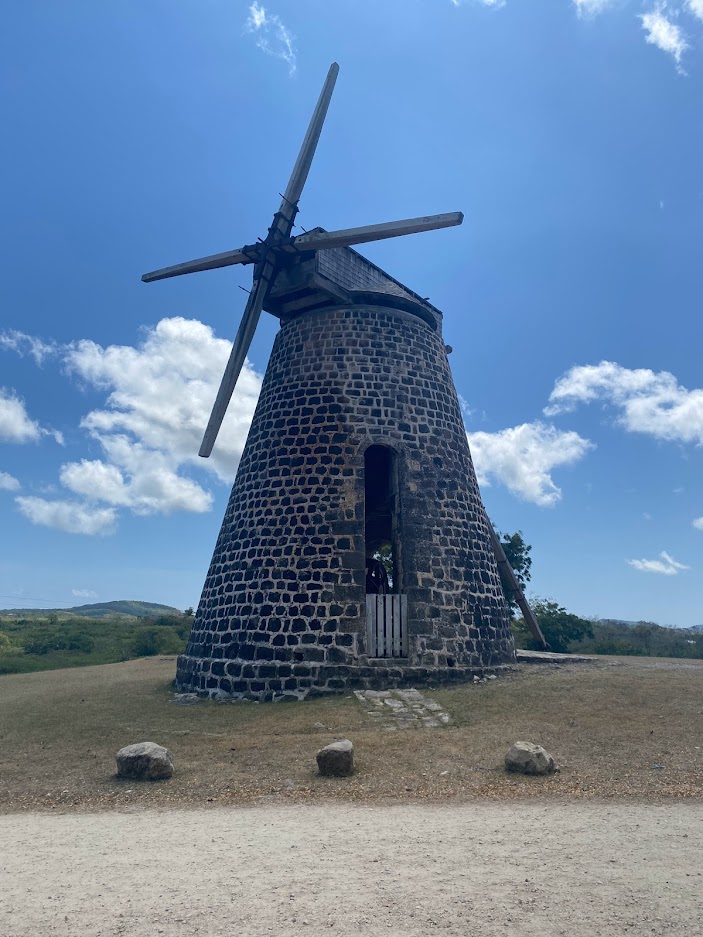
- •Now an open-air museum with restored twin windmill towers
- •Designated as a national heritage site
Location
Coordinates: 17.0986, -61.7486
Frequently Asked Questions
What religion is Betty's Hope Plantation Chapel associated with?▾
Betty's Hope Plantation Chapel is a Christianity holy site located in Antigua and Barbuda. It was established 1651 and is ranked #871 in our global directory of sacred sites.
When was Betty's Hope Plantation Chapel established?▾
Betty's Hope Plantation Chapel dates back to 1651. Established in 1651, making it one of the oldest sugar plantations in Antigua
How many people visit Betty's Hope Plantation Chapel each year?▾
Betty's Hope Plantation Chapel receives approximately 15,000+ visitors per year. Operated by the Codrington family for over 200 years
What is Betty's Hope Plantation Chapel known for?▾
Historic plantation chapel ruins on Antigua, a site of remembrance for enslaved peoples' spiritual resilience. Visitors come seeking ancestral connection, peace, guidance. The chapel served as a site of worship for enslaved Africans
Related Holy Sites
Sacred places connected by country, religion, and purpose
⛪St John's Cathedral
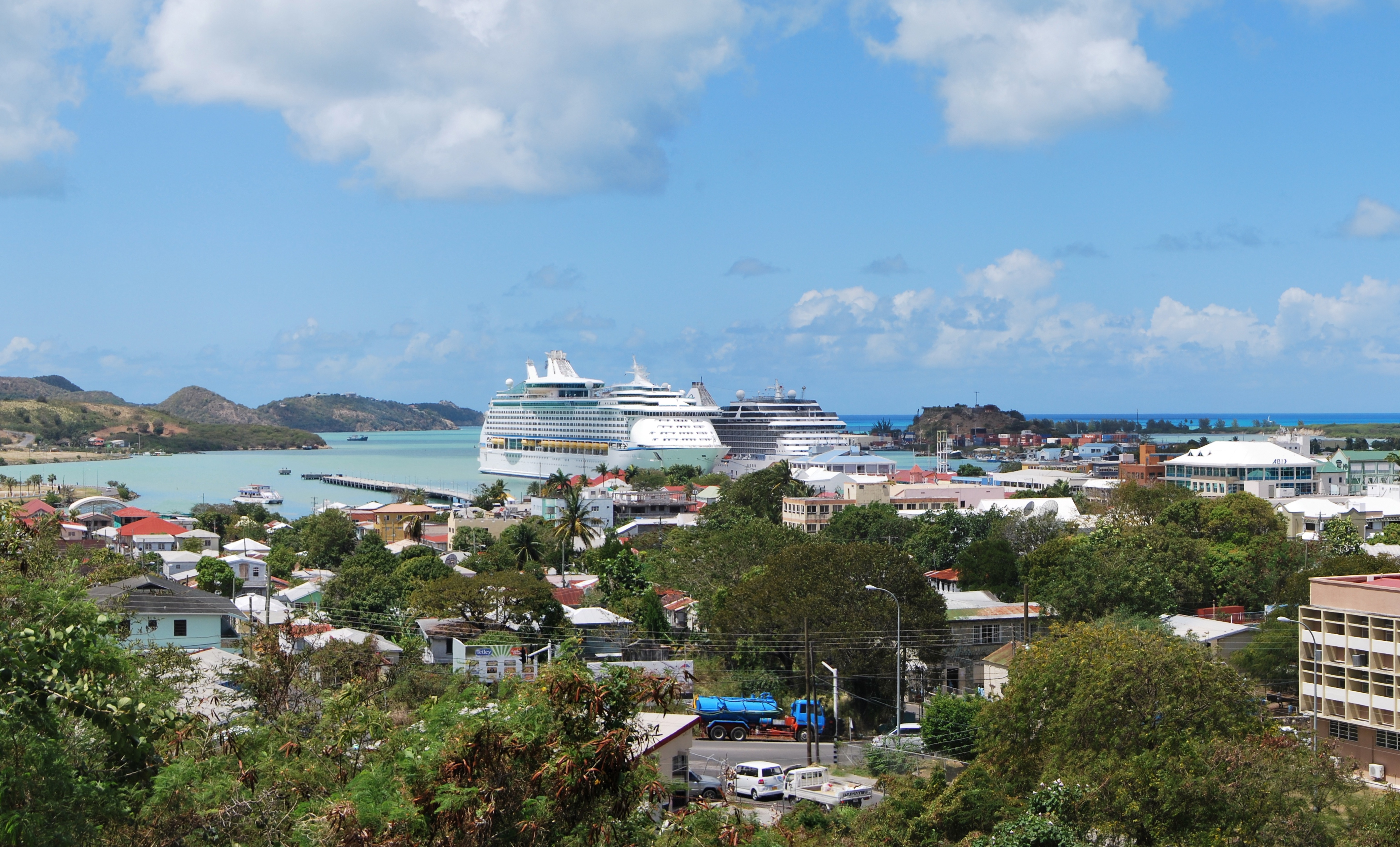
Anglican cathedral in St John's, Antigua, notable for its twin baroque towers and wooden interior.
⛪Vatican City (St. Peter's Basilica)
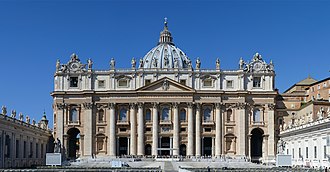
The spiritual center of Roman Catholicism and home of the Pope.
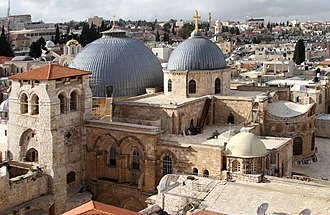
✝️Church of the Holy Sepulchre
The site where Jesus was crucified, buried, and resurrected.
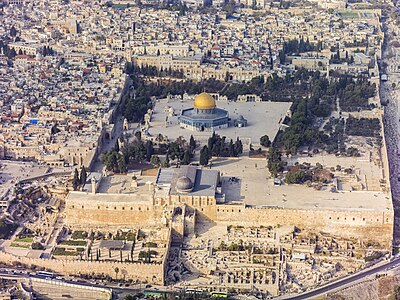
🕌Temple Mount / Al-Aqsa (Jerusalem)
Sacred to Judaism, Christianity, and Islam — the most contested holy site on Earth.
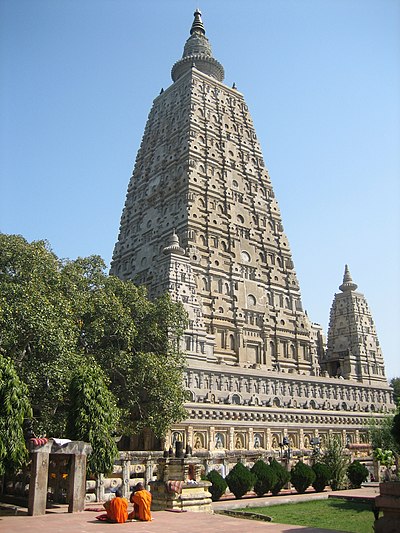
☸️Bodh Gaya (Mahabodhi Temple)
Where Siddhartha Gautama attained enlightenment and became the Buddha.