⛪ St John's Cathedral
Antigua and Barbuda
About This Sacred Site
St John's Cathedral, officially the Cathedral Church of St John the Divine, stands as a monumental religious edifice in Antigua and Barbuda's capital. Its skyline is dominated by twin baroque towers that showcase intricate stonework and colonial architecture. The cathedral serves as the seat of the Anglican Diocese of the North Eastern Caribbean and Aruba, hosting regular services and community events.
History & Origins
Established in 1681, St John's Cathedral was initially constructed to serve the Anglican community in Antigua during British colonial rule. The original structure suffered significant damage over the centuries due to hurricanes and earthquakes, notably the 1843 earthquake which destroyed much of the building. Reconstruction began soon after, incorporating more durable materials and architectural enhancements, including the iconic twin baroque towers completed in the 19th century. The cathedral has since remained a central place of worship and community gathering, symbolizing Antigua's resilience and religious heritage. It was designated as a cathedral in 1842, solidifying its ecclesiastical importance in the region.
Spiritual Significance
Consecrated as an Anglican place of worship, the cathedral follows the Book of Common Prayer, with Eucharistic celebrations held regularly in accordance with Anglican liturgical calendar. The Feast of St John the Baptist on June 24th draws special congregational attendance, commemorating the church's patron saint mentioned in Luke 1:76-79. Pilgrims and local worshippers participate in the Maundy Thursday foot washing ritual, reflecting Christ's humility as narrated in John 13:1-17. The cathedral's iron gates, reputedly salvaged from a French ship, symbolize resilience in faith amid colonial conflicts. Sermons often reference the theological teachings of Archbishop William Temple, emphasizing social justice themes relevant to Antigua's community. The stone structure from 1845 serves as a spiritual anchor for Anglicans in Antigua and Barbuda, hosting confirmations led by the Bishop of the Windward Islands. Regular choral evensong services uphold the Anglican choral tradition, fostering contemplative worship in the stone nave.
Key Facts
- •First built in 1681 as a wooden structure
- •The current stone structure dates to 1845
- •Features iron gates said to have been taken from a French ship
- •The interior is encased in pitch pine to protect against earthquakes
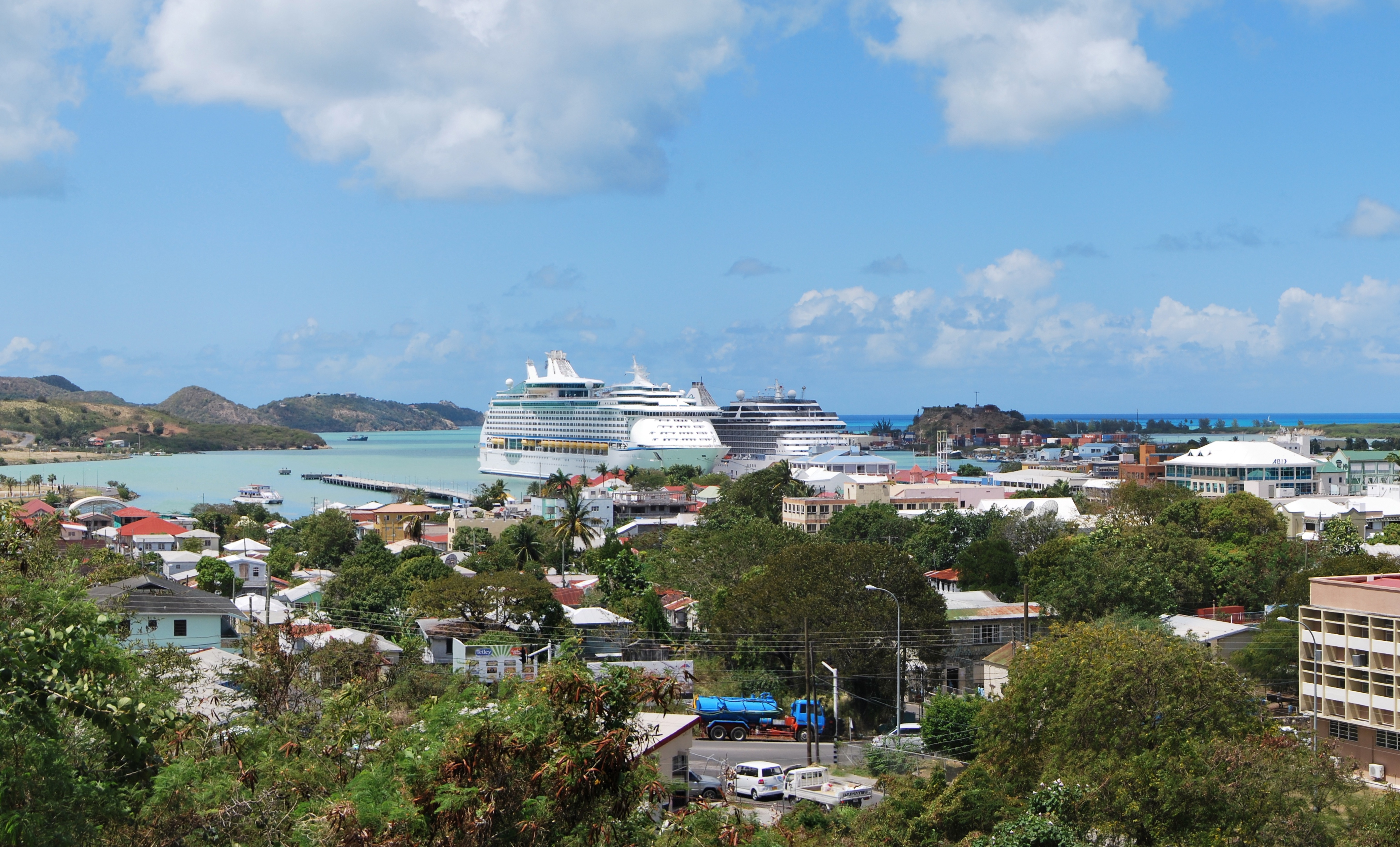
- •Sits on a hilltop overlooking St John's harbour
Location
Coordinates: 17.1175, -61.8456
Frequently Asked Questions
What religion is St John's Cathedral associated with?▾
St John's Cathedral is a Christianity holy site located in Antigua and Barbuda. It was established 1681 and is ranked #911 in our global directory of sacred sites.
When was St John's Cathedral established?▾
St John's Cathedral dates back to 1681. First built in 1681 as a wooden structure
How many people visit St John's Cathedral each year?▾
St John's Cathedral receives approximately 50,000+ visitors per year. The current stone structure dates to 1845
What is St John's Cathedral known for?▾
Anglican cathedral in St John's, Antigua, notable for its twin baroque towers and wooden interior. Visitors come seeking blessings, protection, pilgrimage. Features iron gates said to have been taken from a French ship
Related Holy Sites
Sacred places connected by country, religion, and purpose
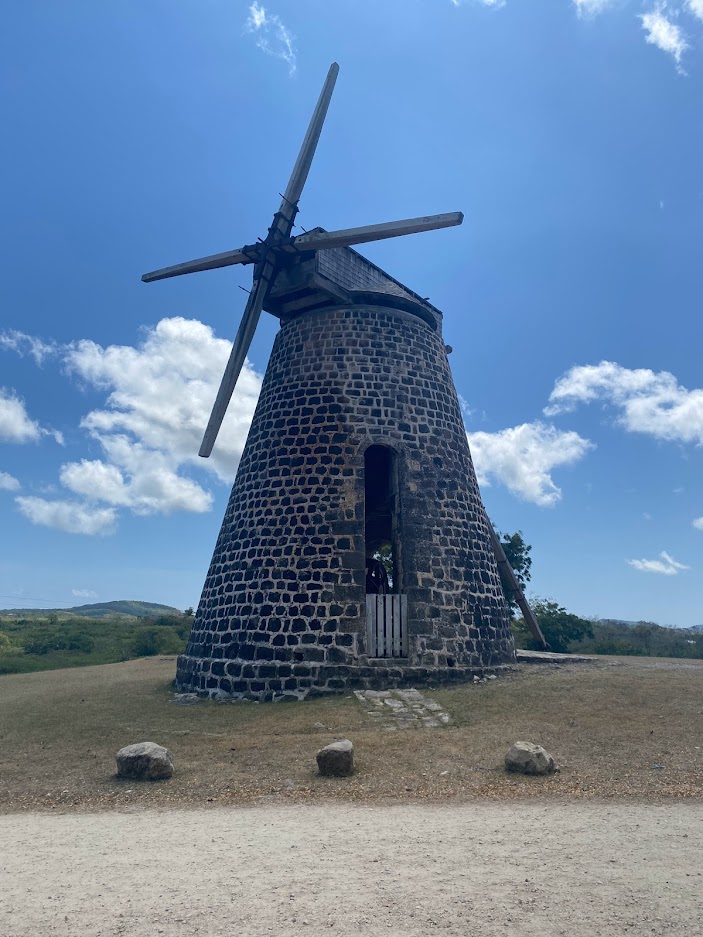
🙏Betty's Hope Plantation Chapel
Historic plantation chapel ruins on Antigua, a site of remembrance for enslaved peoples' spiritual resilience.
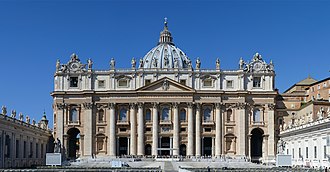
⛪Vatican City (St. Peter's Basilica)
The spiritual center of Roman Catholicism and home of the Pope.
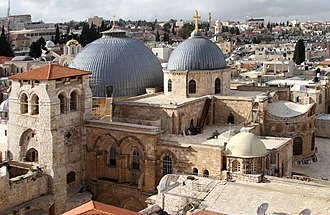
✝️Church of the Holy Sepulchre
The site where Jesus was crucified, buried, and resurrected.
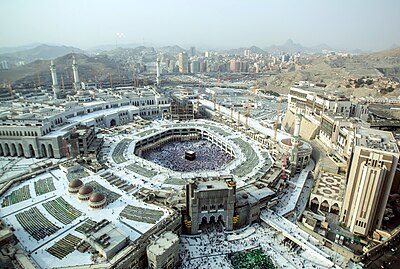
🕋Masjid al-Haram (Great Mosque of Mecca)
The holiest site in Islam, home of the Kaaba, and the destination for Hajj pilgrimage.