
☸️ Beopjusa Temple
South Korea
About This Sacred Site
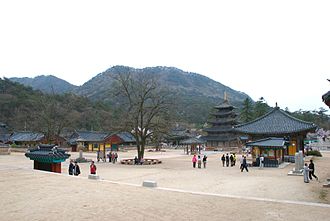
Beopjusa Temple, founded in 553 CE on Mount Songnisan, is one of South Korea’s most significant Buddhist sites. It is famed for its 33-meter-tall golden Maitreya Buddha statue, one of the tallest in the country. The temple complex features various halls, pagodas, and bell pavilions reflecting architectural styles from multiple Korean dynasties. Nestled within a national park, Beopjusa offers a serene spiritual retreat and hosts cultural events that celebrate Korean Buddhist traditions, embodying a long history of religious devotion and artistic achievement.
Spiritual Significance
Established in 553 CE, this temple is a vital center for the Jogye Order of Korean Buddhism and became part of the UNESCO-listed Sansa Buddhist Mountain Monasteries in 2018. It houses the Palsangjeon, Korea's sole surviving wooden five-story pagoda, symbolizing the five stages of Buddha's enlightenment as detailed in the Mahayana tradition. The temple precincts contain the golden Maitreya Buddha statue, representing the future Buddha and inspiring practices of hope and renewal among devotees. Pilgrims participate in the annual Buddha's Birthday celebration with candlelight processions around the pagoda, embodying the continuous cycle of samsara and liberation. The temple's rituals include recitations from the Lotus Sutra and Vajra Prajnaparamita Sutra, emphasizing the perfection of wisdom and the promise of universal salvation. Monastic teachings at this site stress the integration of meditation and scriptural study, reflecting the doctrinal emphasis on both śīla (morality) and prajñā (wisdom). The temple’s location in Songnisan National Park enhances its role as a retreat for spiritual cultivation, linking natural beauty with religious practice.
Key Facts
- •Part of the UNESCO 'Sansa' Buddhist Mountain Monasteries since 2018
- •Houses the Palsangjeon, Korea's only remaining wooden five-story pagoda
- •The golden Maitreya Buddha statue stands 33 meters tall
- •Founded in 553 CE during the Silla dynasty
- •Located within Songnisan National Park
Location
Coordinates: 36.5392, 127.8486
Frequently Asked Questions
What religion is Beopjusa Temple associated with?▾
Beopjusa Temple is a Buddhism holy site located in South Korea. It was established 553 CE and is ranked #210 in our global directory of sacred sites.
When was Beopjusa Temple established?▾
Beopjusa Temple dates back to 553 CE. Part of the UNESCO 'Sansa' Buddhist Mountain Monasteries since 2018
How many people visit Beopjusa Temple each year?▾
Beopjusa Temple receives approximately 500,000+ visitors per year. Houses the Palsangjeon, Korea's only remaining wooden five-story pagoda
What is Beopjusa Temple known for?▾
A mountain temple on Songnisan, home to Korea's tallest Buddha statue and the unique Palsangjeon pagoda. Visitors come seeking spiritual enlightenment, meditation, peace, healing. The golden Maitreya Buddha statue stands 33 meters tall
Related Holy Sites
Sacred places connected by country, religion, and purpose
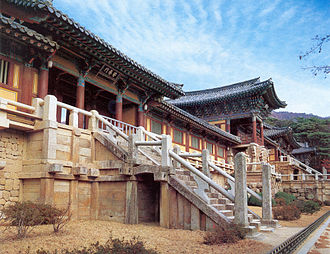
☸️Bulguksa Temple
Korea's most celebrated Buddhist temple, a UNESCO masterpiece of Silla-dynasty architecture.
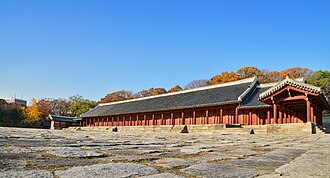
🏛️Jongmyo Shrine (Seoul)
A UNESCO-listed Confucian royal ancestral shrine, the oldest and most authentic of its kind in the world.
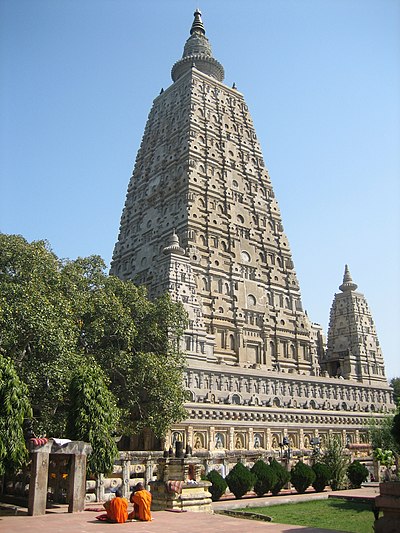
☸️Bodh Gaya (Mahabodhi Temple)
Where Siddhartha Gautama attained enlightenment and became the Buddha.
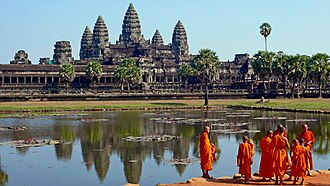
🛕Angkor Wat
The largest religious monument in the world, originally Hindu then Buddhist.
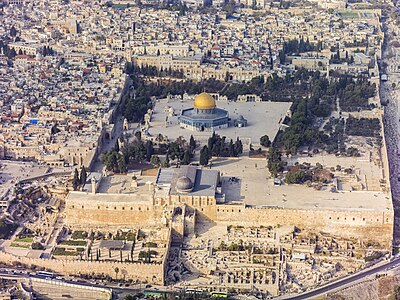
🕌Temple Mount / Al-Aqsa (Jerusalem)
Sacred to Judaism, Christianity, and Islam — the most contested holy site on Earth.
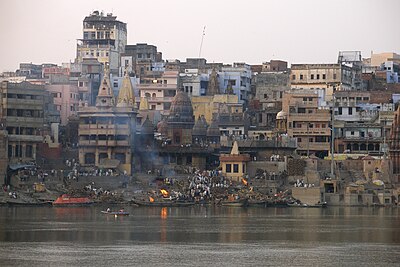
🙏Varanasi (Kashi Vishwanath Temple)
The holiest city in Hinduism, where the Ganges River purifies the soul.

