⛪ Baroque Churches of the Philippines (Paoay Church)
Philippines
About This Sacred Site
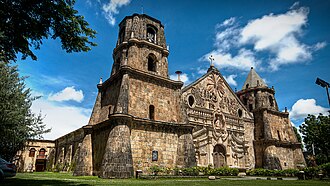
The Baroque Churches of the Philippines are a UNESCO World Heritage Site comprising four churches that represent the unique adaptation of European Baroque architecture to Philippine conditions. Paoay Church (Saint Augustine Church) in Ilocos Norte, built between 1694 and 1710, is the most dramatic, with massive coral stone buttresses designed to withstand earthquakes and typhoons. The 'Earthquake Baroque' style reflects the ingenuity of Filipino and Chinese craftsmen in creating churches that could survive the Philippines' natural disasters.
History & Origins
Paoay Church, officially known as San Agustin Church, was constructed over 16 years starting in 1694 under the direction of Augustinian friars during Spanish colonial rule. The church's massive coral stone and brick structure features 17 massive buttresses designed explicitly to withstand frequent earthquakes in the Ilocos region. Its construction was finished in 1710, combining European Baroque style with local building techniques, termed "Earthquake Baroque." The church has undergone restorations, notably in the 20th century, to preserve its coral stone façade, coral-lime mortar walls, and intricate façade carvings. Recognized as a UNESCO World Heritage Site since 1993 under the collective Baroque Churches of the Philippines, it stands as a prime example of adaptive colonial architecture in Southeast Asia. The church's bell tower, separate from the main structure, was built to prevent damage during seismic events. Historically, it served as both a place of worship and a defensive refuge during Moro raids in the 18th century.
Spiritual Significance
The church plays a central role in local Catholic practices, hosting the annual Paoay Church Feast Day every August 28 in honor of Saint Augustine, its patron saint. Pilgrims participate in the traditional novena prayers and attend the solemn mass that follows the Roman Missal liturgy used since the Spanish era. The site embodies the Catholic doctrine of resilience through faith, symbolized by its earthquake-resistant design which aligns with biblical themes of a strong foundation as in Matthew 7:24-27. Devotees often perform the "Visita Iglesia" pilgrimage during Holy Week, visiting Paoay Church as a stop to pray the Stations of the Cross, a devotional practice tracing Jesus Christ's Passion. The church’s interior holds numerous religious artifacts and icons venerated during local festivals, reflecting centuries of syncretism between indigenous beliefs and Catholicism introduced by Augustinian missionaries.
Key Facts
- •UNESCO World Heritage Site since 1993
- •Paoay Church was built between 1694 and 1710 using coral stone and brick
- •The massive buttresses were designed to withstand earthquakes — 'Earthquake Baroque'
- •The four churches are Paoay, Santa Maria, San Agustin Manila, and Miagao
- •Filipino and Chinese craftsmen adapted European Baroque to local conditions and materials
Location
Coordinates: 18.0581, 120.5214
Frequently Asked Questions
What religion is Baroque Churches of the Philippines (Paoay Church) associated with?▾
Baroque Churches of the Philippines (Paoay Church) is a Christianity holy site located in Philippines. It was established 1694 (Paoay Church) and is ranked #482 in our global directory of sacred sites.
When was Baroque Churches of the Philippines (Paoay Church) established?▾
Baroque Churches of the Philippines (Paoay Church) dates back to 1694 (Paoay Church). UNESCO World Heritage Site since 1993
How many people visit Baroque Churches of the Philippines (Paoay Church) each year?▾
Baroque Churches of the Philippines (Paoay Church) receives approximately 200,000+ visitors per year. Paoay Church was built between 1694 and 1710 using coral stone and brick
What is Baroque Churches of the Philippines (Paoay Church) known for?▾
A UNESCO-listed group of Spanish colonial Baroque churches, exemplified by Paoay Church in Ilocos Norte. Visitors come seeking pilgrimage, blessings, protection, guidance. The massive buttresses were designed to withstand earthquakes — 'Earthquake Baroque'
Related Holy Sites
Sacred places connected by country, religion, and purpose
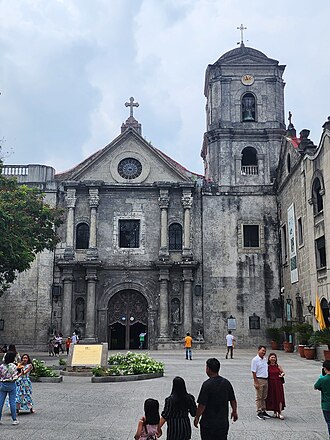
⛪San Agustin Church (Manila)
The oldest stone church in the Philippines, a UNESCO-listed Baroque masterpiece in Intramuros.
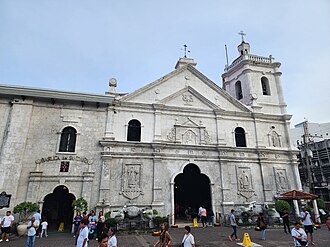
⛪Basilica del Santo Niño (Cebu)
The oldest Catholic parish in the Philippines, housing the miraculous Santo Niño figure brought by Magellan.
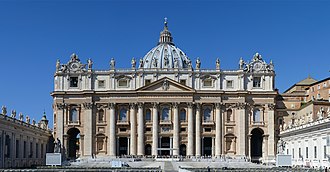
⛪Vatican City (St. Peter's Basilica)
The spiritual center of Roman Catholicism and home of the Pope.
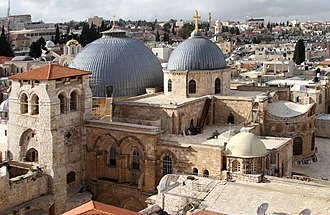
✝️Church of the Holy Sepulchre
The site where Jesus was crucified, buried, and resurrected.