
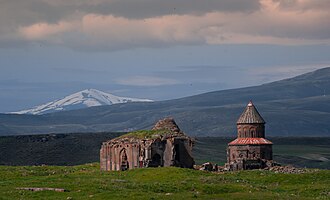
🏚️ Ruins of Ani
Turkey
About This Sacred Site
Ani, located on the Turkish-Armenian border, was the capital of the medieval Armenian kingdom and one of the great cities of the medieval world. Known as the 'City of 1,001 Churches,' it had a population of over 100,000 at its height in the 11th century — rivaling Constantinople and Baghdad. The ruins include the Cathedral of Ani (completed 1001 CE), the Church of the Redeemer, the Church of St. Gregory, and the massive city walls. The site stands as a hauntingly beautiful testimony to Armenian Christian civilization and the passage of empires.
Spiritual Significance
The ruins, inscribed as a UNESCO World Heritage Site since 2016, stand as a testament to medieval Armenian Christianity, once known as the City of 1,001 Churches at its 11th-century zenith. The Cathedral of Ani, completed in 1001 CE under architect Trdat, exhibits architectural innovations that influenced early Gothic styles in Europe, notably pointed arches and clustered piers. Pilgrimages historically involved processions on major feast days of the Armenian Apostolic Church, including the Feast of the Transfiguration. The site contains numerous chapels and basilicas reflecting doctrinal developments of the Armenian Church, such as the emphasis on the Incarnation and Resurrection. Despite abandonment following Mongol invasions in the 14th century, local clergy maintained sporadic liturgical use until the 17th century. Contemporary pilgrimages often include liturgical readings from the Armenian Bible and prayers dedicated to Saint Gregory the Illuminator, the patron saint who established Christianity as the state religion in 301 CE.
Key Facts
- •UNESCO World Heritage Site since 2016
- •Known as the 'City of 1,001 Churches' at its 11th-century peak
- •The Cathedral of Ani (1001 CE) influenced Gothic architecture in Europe
- •At its height, the city rivaled Constantinople with over 100,000 residents
- •The city was successively ruled by Armenians, Byzantines, Seljuks, Georgians, and Ottomans
Location
Coordinates: 40.5052, 43.5726
Frequently Asked Questions
What religion is Ruins of Ani associated with?▾
Ruins of Ani is a Christianity holy site located in Turkey. It was established c. 5th century CE and is ranked #227 in our global directory of sacred sites.
When was Ruins of Ani established?▾
Ruins of Ani dates back to c. 5th century CE. UNESCO World Heritage Site since 2016
How many people visit Ruins of Ani each year?▾
Ruins of Ani receives approximately 100,000 visitors per year. Known as the 'City of 1,001 Churches' at its 11th-century peak
What is Ruins of Ani known for?▾
The haunting ruins of a medieval Armenian capital, once called the 'City of 1,001 Churches.' Visitors come seeking ancestral connection, spiritual enlightenment, peace, pilgrimage. The Cathedral of Ani (1001 CE) influenced Gothic architecture in Europe
Related Holy Sites
Sacred places connected by country, religion, and purpose
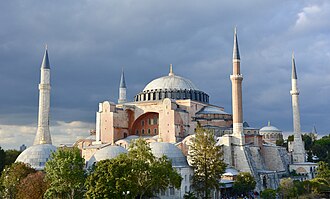
🏛️Hagia Sophia
A masterpiece that served as cathedral, mosque, and museum across centuries.
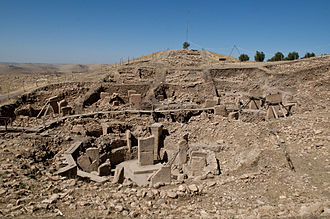
🏛️Göbekli Tepe
The world's oldest known temple, predating Stonehenge by 6,000 years.
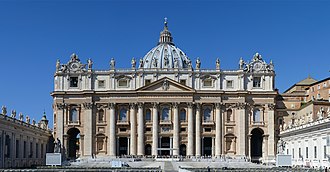
⛪Vatican City (St. Peter's Basilica)
The spiritual center of Roman Catholicism and home of the Pope.
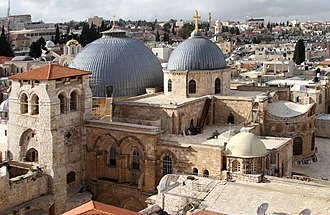
✝️Church of the Holy Sepulchre
The site where Jesus was crucified, buried, and resurrected.
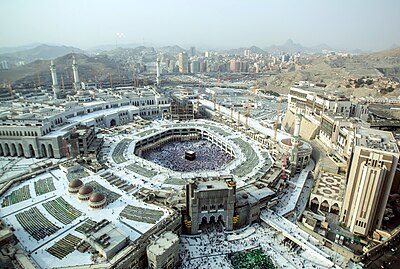
🕋Masjid al-Haram (Great Mosque of Mecca)
The holiest site in Islam, home of the Kaaba, and the destination for Hajj pilgrimage.
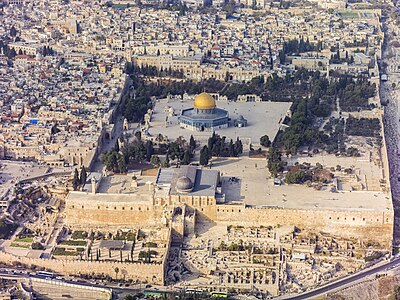
🕌Temple Mount / Al-Aqsa (Jerusalem)
Sacred to Judaism, Christianity, and Islam — the most contested holy site on Earth.

