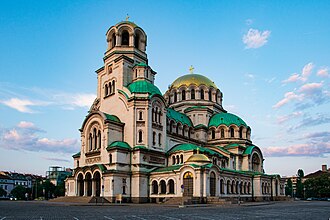
🧅 St. Alexander Nevsky Cathedral, Sofia
Bulgaria
About This Sacred Site
The St. Alexander Nevsky Cathedral is the patriarchal cathedral of the Bulgarian Orthodox Church and one of the largest Eastern Orthodox cathedrals in the world. Built between 1882 and 1912, it was dedicated to the Russian soldier-saints and the 200,000 Russian troops who died liberating Bulgaria from Ottoman rule in the Russo-Turkish War of 1877-1878. The cathedral's gold-plated dome rises 45 meters high, and its interior can hold 10,000 worshippers. The crypt houses an impressive collection of Bulgarian icons spanning from the 9th to the 19th century.
History & Origins
Construction of the cathedral began in 1882 under the direction of architect Alexander Pomerantsev and was completed in 1912, commemorating the Russian soldiers who died during the 1877-1878 Russo-Turkish War that led to Bulgaria's liberation. The cathedral’s Neo-Byzantine architectural style was chosen to symbolize Slavic unity, featuring a gold-plated dome rising 45 meters high, which dominates Sofia's skyline. Extensive renovations in the 1960s included restoration of the intricate mosaics and the installation of a large pipe organ built by the Austrian firm Rieger Orgelbau. The cathedral holds the relics of St. Alexander Nevsky, a 13th-century Russian prince and saint, enshrined in a chapel constructed within the cathedral in 1924.
Spiritual Significance
The cathedral serves as the seat of the Bulgarian Orthodox Patriarchate and hosts the annual celebration of St. Alexander Nevsky’s feast day on November 23, marked by a solemn Divine Liturgy and procession. It follows the Byzantine Rite, with hymns derived from the Octoechos and Triodion liturgical books, reinforcing doctrinal teachings on the Incarnation and Resurrection central to Eastern Orthodoxy. Pilgrims and worshippers partake in the sacrament of confession in its chapels and venerate relics, which are believed to have healing properties. The cathedral also conducts services commemorating Bulgarian liberation, integrating national identity with Orthodox Christian faith, reflecting the theological principle of symphonia between church and state.
Key Facts
- •One of the largest Eastern Orthodox churches in the world, with capacity for 10,000
- •The gold-plated dome is 45 meters high and a defining feature of Sofia's skyline
- •Built to honor the 200,000 Russian soldiers who died liberating Bulgaria in 1877-78
- •The crypt houses one of the finest collections of Bulgarian icons, from the 9th-19th centuries
- •The cathedral bells include the heaviest bell in the Balkans, weighing 12 tonnes
Location
Coordinates: 42.6960, 23.3329
Frequently Asked Questions
What religion is St. Alexander Nevsky Cathedral, Sofia associated with?▾
St. Alexander Nevsky Cathedral, Sofia is a Christianity holy site located in Bulgaria. It was established 1882 and is ranked #607 in our global directory of sacred sites.
When was St. Alexander Nevsky Cathedral, Sofia established?▾
St. Alexander Nevsky Cathedral, Sofia dates back to 1882. One of the largest Eastern Orthodox churches in the world, with capacity for 10,000
How many people visit St. Alexander Nevsky Cathedral, Sofia each year?▾
St. Alexander Nevsky Cathedral, Sofia receives approximately 500,000 visitors per year. The gold-plated dome is 45 meters high and a defining feature of Sofia's skyline
What is St. Alexander Nevsky Cathedral, Sofia known for?▾
Sofia's iconic cathedral, one of the largest Orthodox churches in the world, built to honor Russian liberators. Visitors come seeking peace, blessings, pilgrimage, guidance. Built to honor the 200,000 Russian soldiers who died liberating Bulgaria in 1877-78
Related Holy Sites
Sacred places connected by country, religion, and purpose
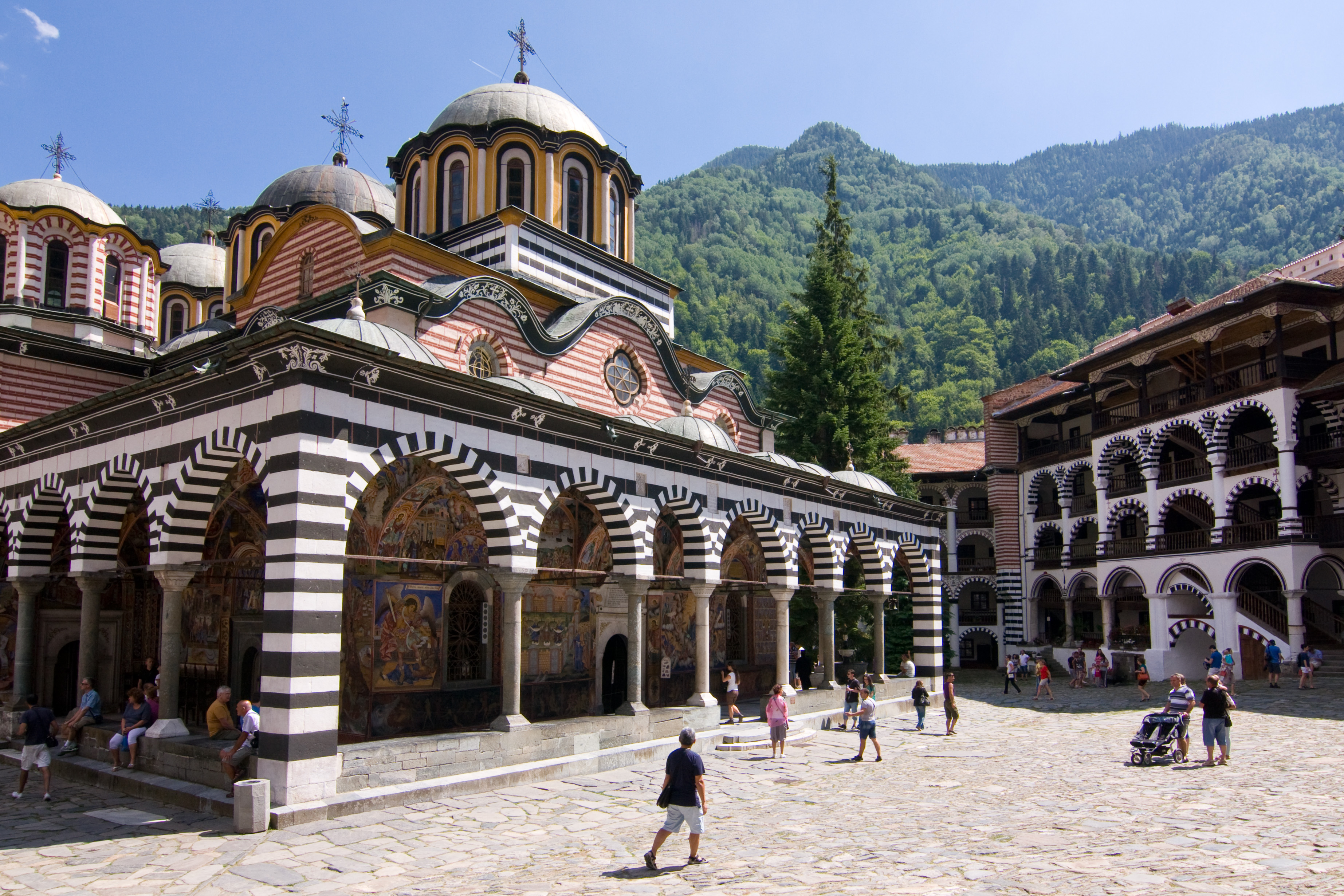
⛪Rila Monastery
Bulgaria's most important spiritual center, nestled in the Rila Mountains.
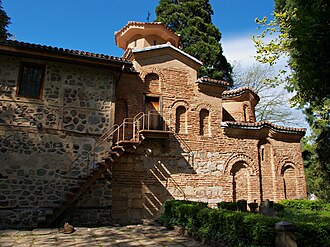
🎨Boyana Church
A medieval church on the outskirts of Sofia with frescoes that predate the Italian Renaissance.
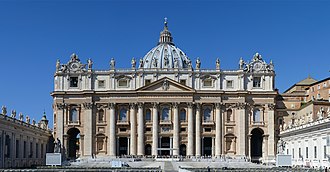
⛪Vatican City (St. Peter's Basilica)
The spiritual center of Roman Catholicism and home of the Pope.
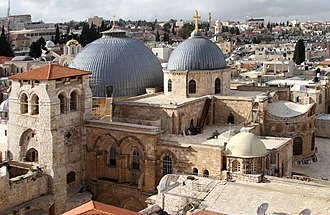
✝️Church of the Holy Sepulchre
The site where Jesus was crucified, buried, and resurrected.