🕌 Al-Kadhimiya Mosque
Iraq
About This Sacred Site
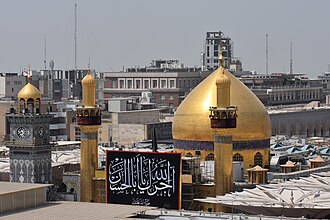
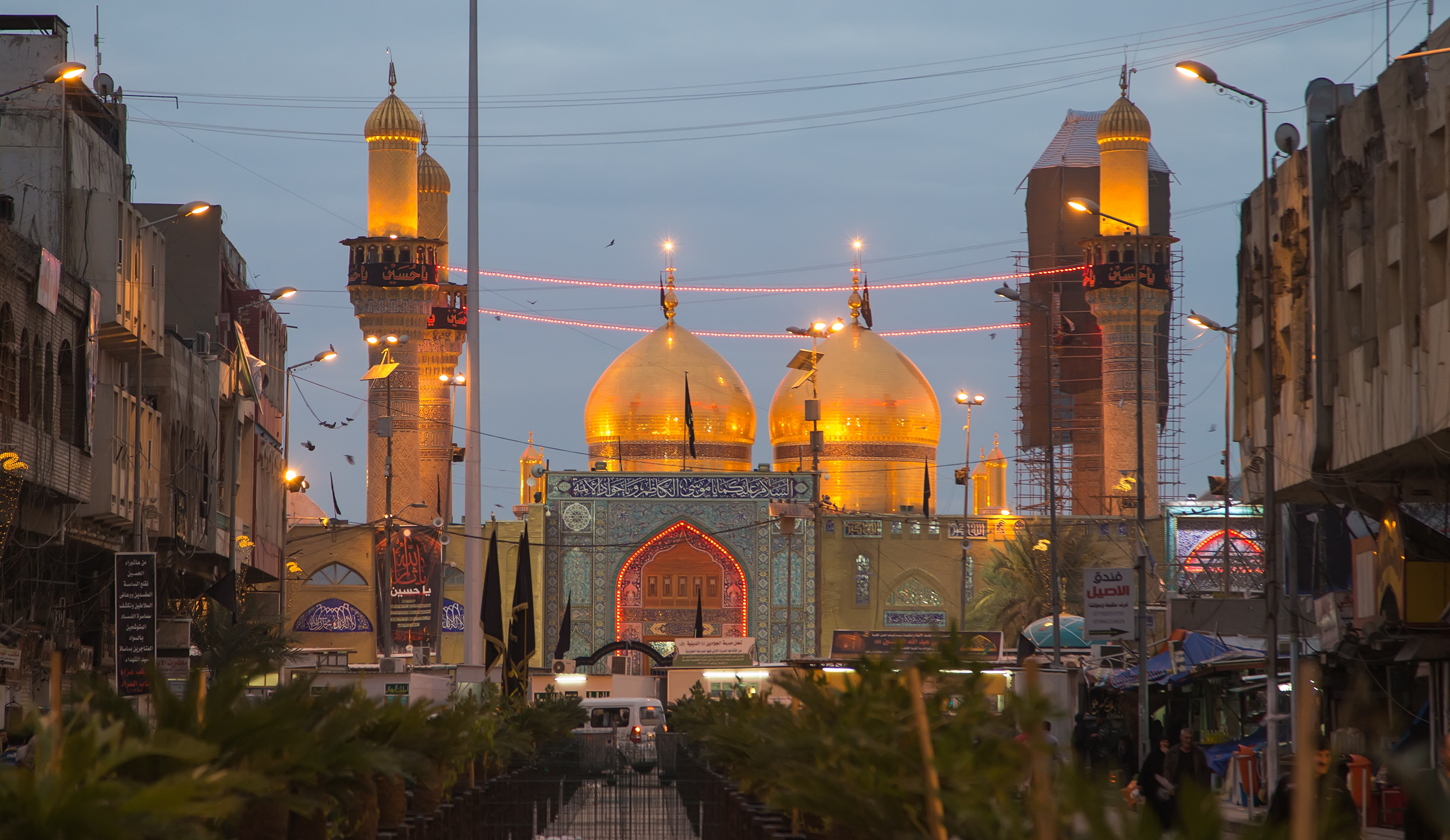
Situated in the Kadhimayn district of Baghdad, this mosque features four slender minarets each approximately 36 meters high, and two prominent golden domes covering the tombs of the seventh and ninth Shia Imams, Musa al-Kadhim and Muhammad al-Jawad. The domes are ornately decorated with Quranic calligraphy and floral motifs executed in gold leaf and turquoise tiles. The mosque's courtyard is paved with marble sourced from local Iraqi quarries, and the prayer hall can accommodate thousands of worshippers. The structure integrates Safavid architectural influences with Ottoman enhancements, including intricate stucco work and glazed tile panels dating from the 16th century. The mosque's walls incorporate Kufic inscriptions, and its minarets are capped with gilded finials.
History & Origins
The mosque was largely constructed in 1515 CE under Ottoman patronage, replacing earlier structures dating back to the Abbasid era. The site originally housed the tombs of Musa al-Kadhim (d. 799 CE) and his grandson Muhammad al-Jawad (d. 835 CE), making it an important Shia pilgrimage destination. Significant renovations occurred during the Safavid dynasty in the 16th century, which added the golden domes and expanded the prayer halls. The mosque suffered damage during sectarian conflicts in the late 20th century but was restored with funding from both Iraqi authorities and international Shia communities. In the 21st century, the mosque has been a site of political significance, surviving multiple attacks while continuing to serve as a spiritual hub for millions of pilgrims annually.
Spiritual Significance
As the resting place of the seventh and ninth Shia Imams, the mosque is a central site for pilgrimage and veneration within Twelver Shia Islam. Devotees engage in the recitation of Ziyarat al-Kadhimayn, a devotional prayer invoking blessings upon the Imams. Rituals during the Imam Musa al-Kadhim’s death anniversary include communal prayers, Quranic recitations, and feeding the poor, reflecting Shia emphasis on social justice. The mosque serves as a venue for religious education, hosting lectures on hadith, fiqh, and the lives of the Imams, often led by prominent maraji. The domes’ golden surfaces symbolize divine light, and touching the zarih is believed to confer spiritual merit. The site fosters theological reflection on patience and forbearance, virtues associated with Musa al-Kadhim’s life and teachings.
Key Facts
- •Houses the tombs of the seventh and ninth Shia Imams
- •Features four minarets and two golden domes
- •The current structure was largely built in the 16th century
- •Located in the Kadhimiya neighborhood of northern Baghdad
- •An important center of Shia scholarship and learning
Location
Coordinates: 33.3817, 44.3400
Frequently Asked Questions
What religion is Al-Kadhimiya Mosque associated with?▾
Al-Kadhimiya Mosque is a Islam holy site located in Iraq. It was established 1515 CE and is ranked #465 in our global directory of sacred sites.
When was Al-Kadhimiya Mosque established?▾
Al-Kadhimiya Mosque dates back to 1515 CE. Houses the tombs of the seventh and ninth Shia Imams
How many people visit Al-Kadhimiya Mosque each year?▾
Al-Kadhimiya Mosque receives approximately 5 million visitors per year. Features four minarets and two golden domes
What is Al-Kadhimiya Mosque known for?▾
A major Shia mosque in Baghdad housing the tombs of the seventh and ninth Imams. Visitors come seeking pilgrimage, blessings, healing, forgiveness. The current structure was largely built in the 16th century
Related Holy Sites
Sacred places connected by country, religion, and purpose