🕌 Al-Askari Shrine
Iraq
About This Sacred Site
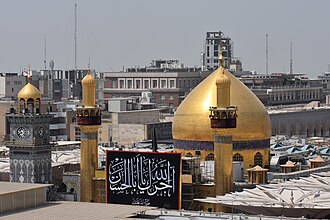
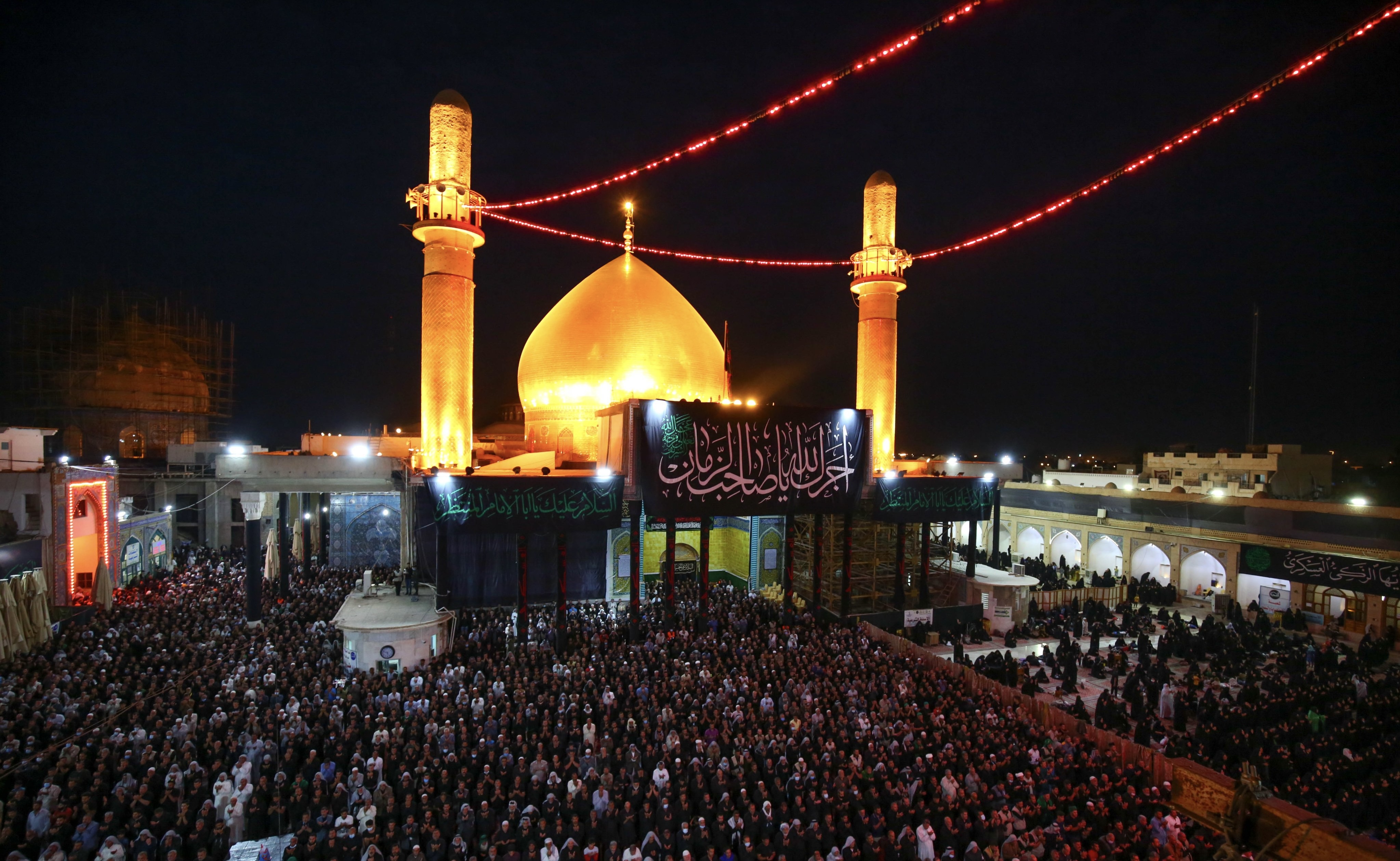
The Al-Askari Shrine, located in Samarra, Iraq, is one of Shia Islam’s most revered sites. It houses the tombs of the tenth and eleventh Imams, Ali al-Hadi and Hasan al-Askari, as well as the site associated with the twelfth Imam, Muhammad al-Mahdi, known as the Hidden Imam. The shrine’s golden dome and minarets have been iconic landmarks, though they suffered extensive damage during attacks in 2006 and 2007.
History & Origins
The Al-Askari Shrine was originally established in 944 CE over the burial sites of the Imams Ali al-Hadi and Hasan al-Askari, who were central figures in Twelver Shia Islam. Over centuries, the shrine evolved architecturally, with major expansions under the Abbasid and later Safavid dynasties, including the addition of the iconic golden dome in the early 20th century. It became a focal point of Shia pilgrimage, symbolizing spiritual authority and historical continuity. The shrine suffered catastrophic damage during the sectarian violence following the 2003 Iraq invasion; the golden dome was destroyed in a 2006 bombing, and subsequent attacks further damaged the minarets and shrine complex. Extensive restoration began in 2007, supported by local and international Shia communities, leading to the dome’s restoration and reopening by 2009. The shrine’s tumultuous history reflects broader sectarian tensions in Iraq, but it remains a vital spiritual center for millions.
Spiritual Significance
The Al-Askari Shrine, established in 944 CE in Samarra, houses the tombs of the tenth and eleventh Shia Imams, Ali al-Hadi and Hasan al-Askari, making it one of the most significant pilgrimage sites in Twelver Shiism. The shrine is intimately linked to the doctrine of Occultation, as the twelfth Imam, Muhammad al-Mahdi, is believed to have gone into occultation from this location. Pilgrims perform ziyarat (visitation prayers) reciting specific supplications from the Al-Kafi collection of hadith compiled by Muhammad ibn Ya'qub al-Kulayni. The golden dome, originally constructed in the 12th century, was destroyed in a 2006 bombing, leading to a major reconstruction completed in 2009 that restored its iconic appearance. Annual commemorations during the martyrdom anniversaries of the Imams draw millions, reinforcing the shrine’s role as a focal point of Shia identity and spiritual devotion.
Key Facts
- •Houses the tombs of the tenth and eleventh Shia Imams
- •Associated with the occultation of the twelfth Imam
- •The golden dome was destroyed by a bombing in 2006
- •The 2006 bombing triggered major sectarian violence in Iraq
- •The dome has been fully reconstructed
Location
Coordinates: 34.1983, 43.8733
Frequently Asked Questions
What religion is Al-Askari Shrine associated with?▾
Al-Askari Shrine is a Islam holy site located in Iraq. It was established 944 CE and is ranked #395 in our global directory of sacred sites.
When was Al-Askari Shrine established?▾
Al-Askari Shrine dates back to 944 CE. Houses the tombs of the tenth and eleventh Shia Imams
How many people visit Al-Askari Shrine each year?▾
Al-Askari Shrine receives approximately 3 million visitors per year. Associated with the occultation of the twelfth Imam
What is Al-Askari Shrine known for?▾
A major Shia shrine in Samarra housing the tombs of the tenth and eleventh Imams. Visitors come seeking pilgrimage, healing, blessings, forgiveness. The golden dome was destroyed by a bombing in 2006
Related Holy Sites
Sacred places connected by country, religion, and purpose