

🌴 Abemama Sacred Grove
Kiribati
About This Sacred Site
Abemama atoll holds special significance in Kiribati history and spirituality as the seat of the powerful king Tem Binoka, who ruled in the late 19th century and was famously described by Robert Louis Stevenson during his Pacific travels. The atoll contains sacred groves and sites associated with traditional I-Kiribati worship and royal authority. These groves, with their ancient breadfruit and coconut trees, were considered dwelling places of spirits and were protected by strict taboos. Abemama retains an atmosphere of traditional reverence.
Spiritual Significance
The sacred grove on Abemama atoll, once the seat of King Tem Binoka during the 19th century, was traditionally regarded as the dwelling place of ancestral spirits and guardian deities. The grove consists of dense stands of native flora such as the pandanus and breadfruit trees, which were integral to ritual practices including initiation ceremonies and spirit possession rites. Robert Louis Stevenson documented his visit in the late 1890s, noting the cultural significance attributed to these groves by local inhabitants who performed nightly prayers and offerings to maintain harmony with the spirit world. Pilgrims and community members would gather annually during the harvest season to conduct purification rituals led by the clan priest, involving the burning of aromatic leaves and chanting ancestral genealogies. The grove also served as a sanctuary where conflict resolution and oath-taking ceremonies were performed, underscoring its role in social cohesion. Oral traditions emphasize the grove as a living spiritual entity, a belief that continues to influence conservation efforts supported by Kiribati’s cultural heritage programs.
Key Facts
- •Abemama was the seat of King Tem Binoka in the 19th century
- •Robert Louis Stevenson visited and wrote about Abemama
- •Sacred groves were believed to be dwelling places of spirits
- •Strict taboos protected these groves from unauthorized entry
- •Traditional spiritual practices persisted alongside Christianization
Location
Coordinates: 0.4000, 173.8500
Frequently Asked Questions
What religion is Abemama Sacred Grove associated with?▾
Abemama Sacred Grove is a Indigenous holy site located in Kiribati. It was established Pre-contact era and is ranked #1029 in our global directory of sacred sites.
When was Abemama Sacred Grove established?▾
Abemama Sacred Grove dates back to Pre-contact era. Abemama was the seat of King Tem Binoka in the 19th century
How many people visit Abemama Sacred Grove each year?▾
Abemama Sacred Grove receives approximately 2,000 visitors per year. Robert Louis Stevenson visited and wrote about Abemama
What is Abemama Sacred Grove known for?▾
A sacred grove on Abemama atoll associated with the powerful king Tem Binoka. Visitors come seeking ancestral connection, peace, protection. Sacred groves were believed to be dwelling places of spirits
Related Holy Sites
Sacred places connected by country, religion, and purpose
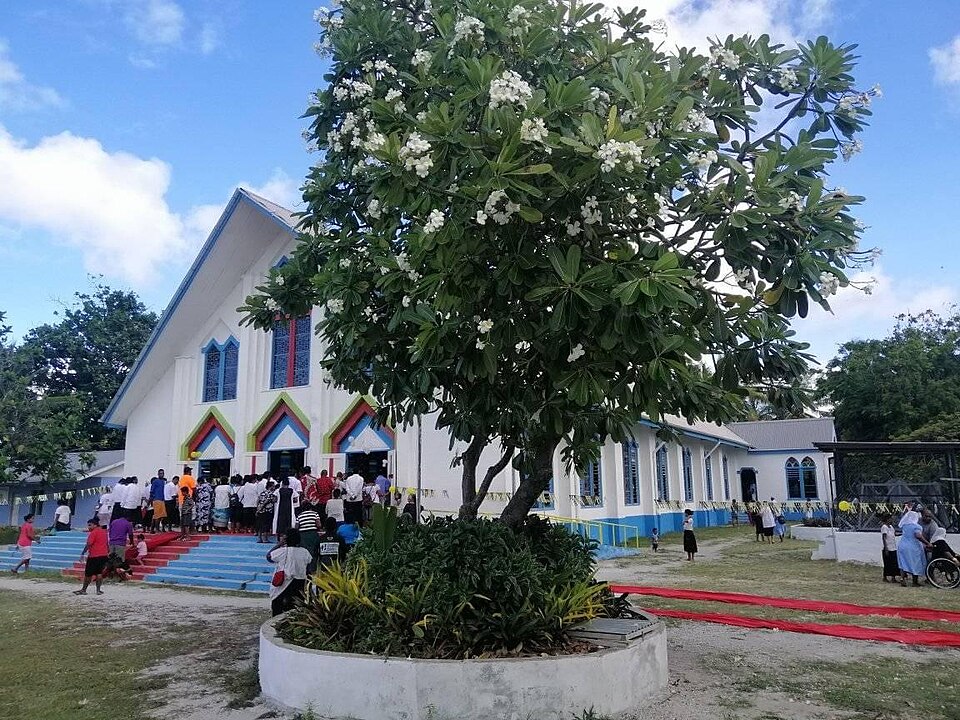
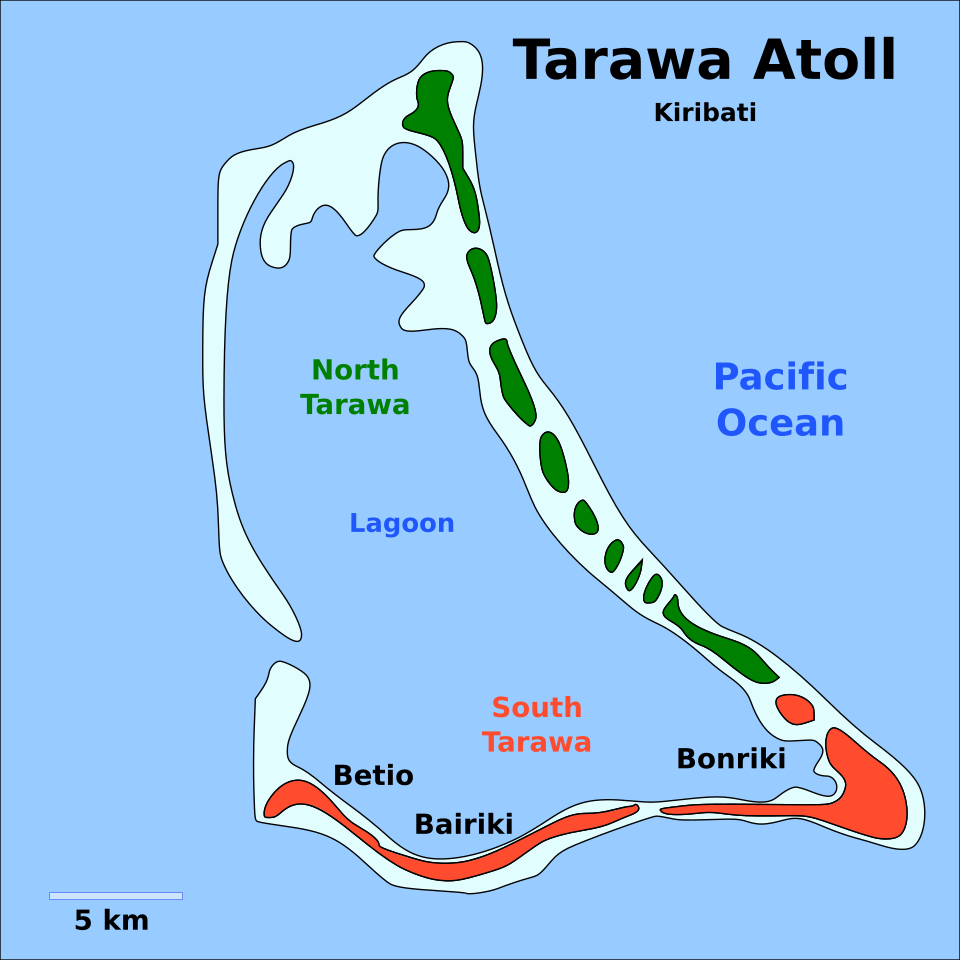
⛪Sacred Heart Cathedral, Tarawa
The Catholic cathedral on Tarawa atoll in the central Pacific.
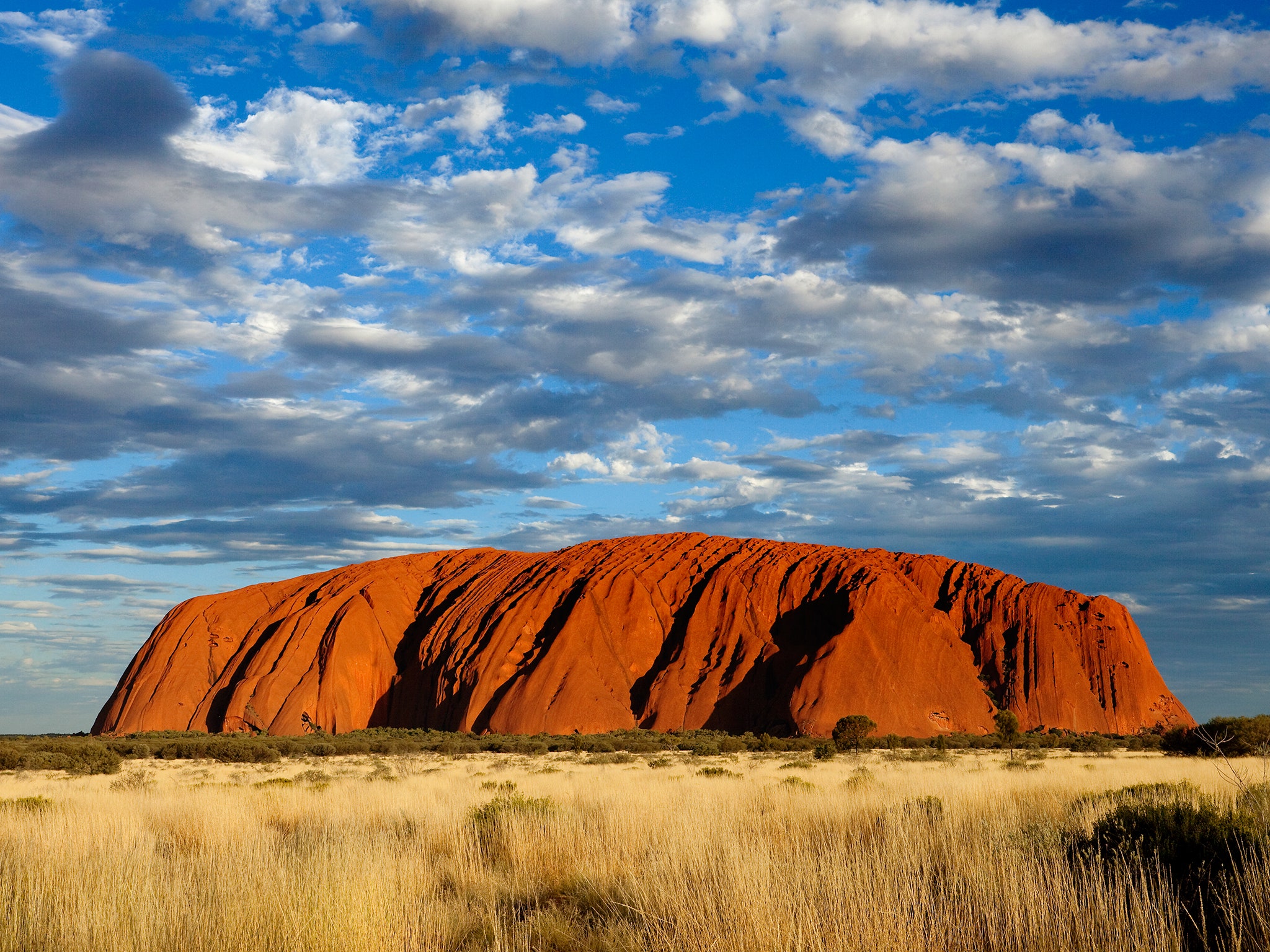
🪨Uluru (Ayers Rock)
A sacred monolith central to Aboriginal Australian creation stories.
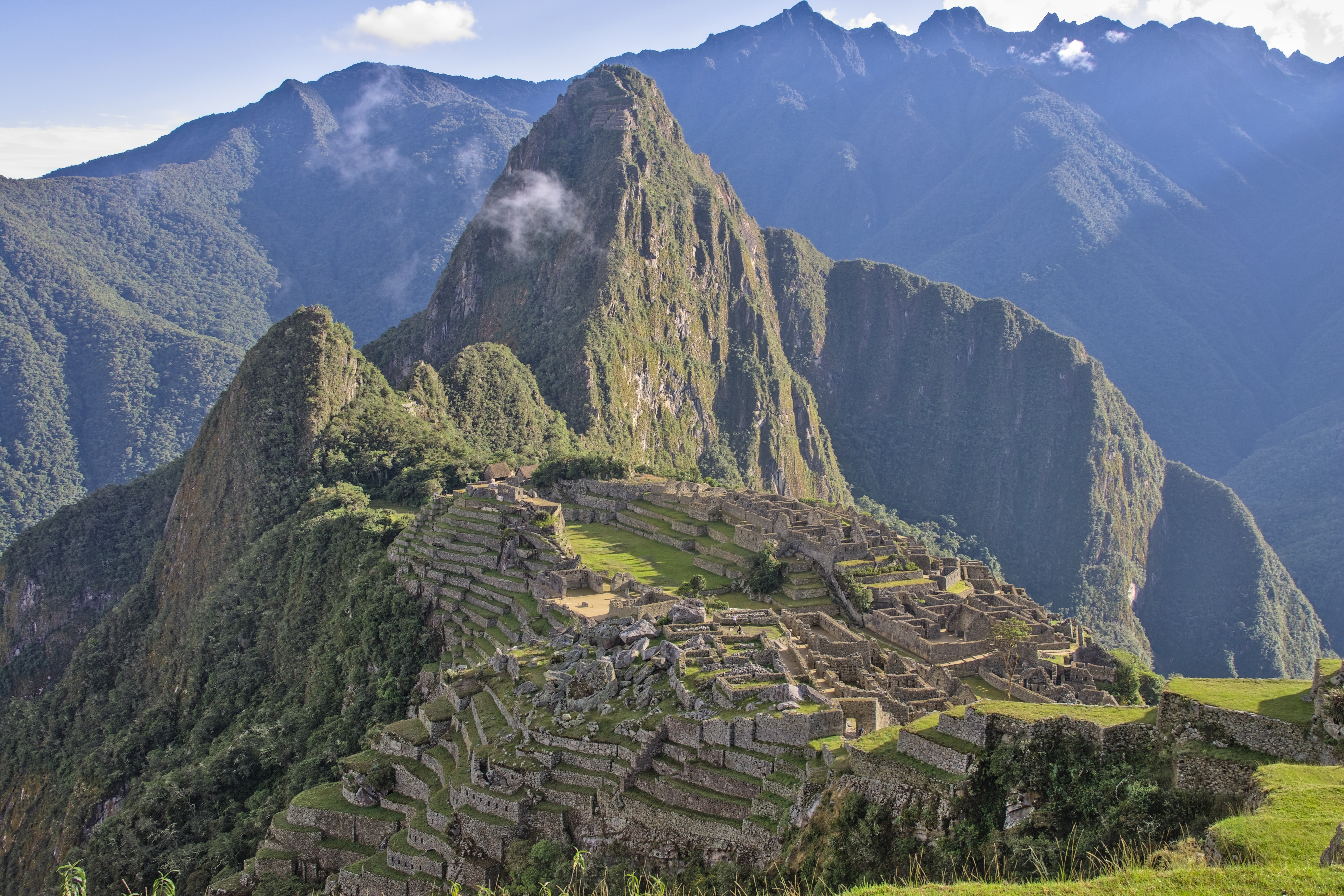
🏔️Machu Picchu
A sacred Inca citadel set high in the Andes, aligned with astronomical events.

🕌Temple Mount / Al-Aqsa (Jerusalem)
Sacred to Judaism, Christianity, and Islam — the most contested holy site on Earth.
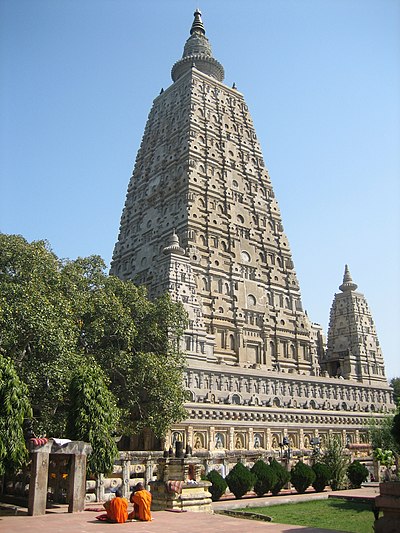
☸️Bodh Gaya (Mahabodhi Temple)
Where Siddhartha Gautama attained enlightenment and became the Buddha.

