
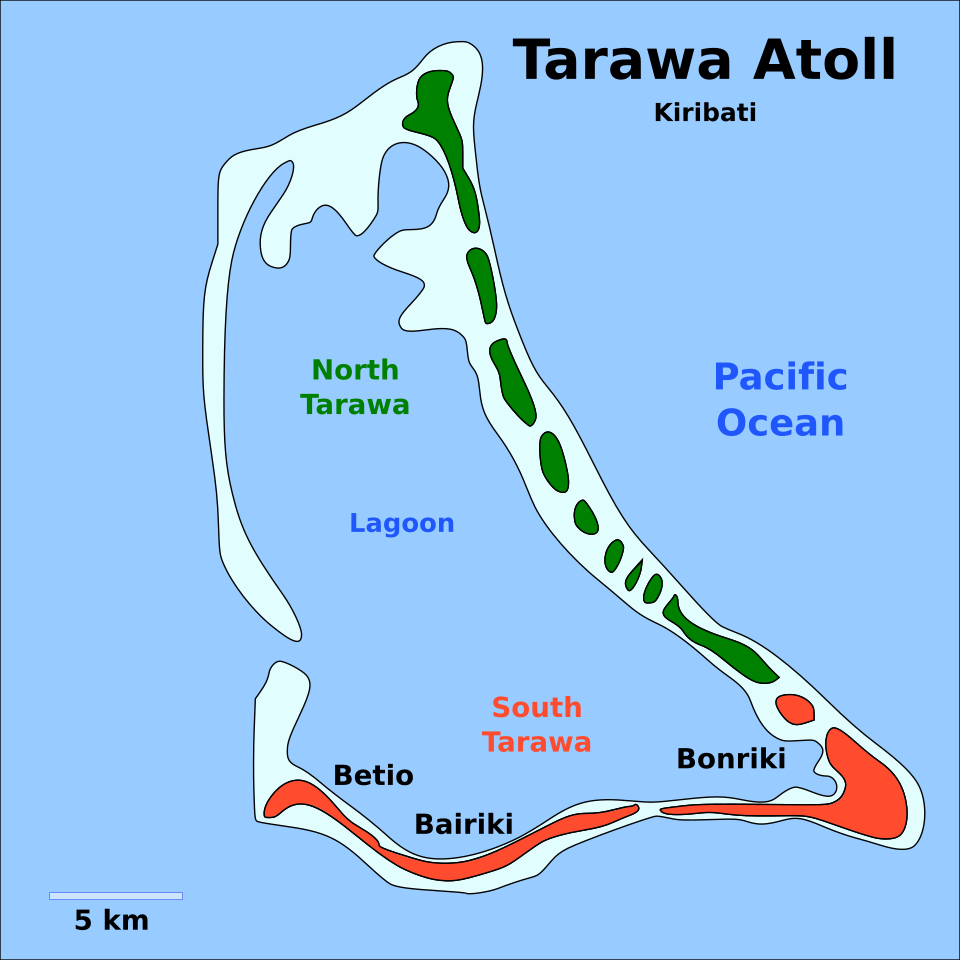
🪨 Ancient Marae Sites of Kiribati
Kiribati
About This Sacred Site
Scattered across Kiribati's atolls, ancient marae are stone temple platforms used historically for traditional worship and ancestor veneration. Dating to around 1400 CE, these marae were central to community ceremonies, social gatherings, and religious rites. Constructed from coral and basalt stones, their designs vary but often include raised platforms and surrounding stone enclosures. Though many are now ruins, marae remain important cultural heritage sites, reflecting Kiribati's indigenous spiritual practices prior to Christian influence.
Spiritual Significance
The ancient marae sites in Kiribati, dating to around 1400 CE, functioned as traditional stone temple platforms integral to Polynesian and Micronesian ancestor worship and community ceremonies. Marae were used for offerings to gods and ancestors, including ritual food presentations and ceremonial chants that reinforced social hierarchy and cosmological beliefs. Some marae located on outer islands like Banaba and Kiritimati were specifically dedicated to navigation deities, reflecting the seafaring culture of Kiribati's ancestors. Annual festivals involved communal participation in rituals to ensure successful fishing and protection from natural disasters. These sites embodied the spiritual doctrine that ancestral spirits maintained the balance between humans and nature, with priests or chiefs overseeing rituals that invoked blessings recorded in oral traditions.
Key Facts
- •Marae are traditional stone temple platforms found across Polynesia and Micronesia
- •Used for ancestor worship, offerings, and community ceremonies
- •Some marae on outer islands date back over 500 years
- •Traditional religious specialists called ibonga presided over marae rituals
- •Many marae were abandoned after Christian conversion in the 19th century
Location
Coordinates: 1.8700, 175.5300
Frequently Asked Questions
What religion is Ancient Marae Sites of Kiribati associated with?▾
Ancient Marae Sites of Kiribati is a Indigenous holy site located in Kiribati. It was established c. 1400 CE and is ranked #1009 in our global directory of sacred sites.
When was Ancient Marae Sites of Kiribati established?▾
Ancient Marae Sites of Kiribati dates back to c. 1400 CE. Marae are traditional stone temple platforms found across Polynesia and Micronesia
How many people visit Ancient Marae Sites of Kiribati each year?▾
Ancient Marae Sites of Kiribati receives approximately 2,000+ visitors per year. Used for ancestor worship, offerings, and community ceremonies
What is Ancient Marae Sites of Kiribati known for?▾
Ancient Micronesian temple platforms across Kiribati's atolls, used for traditional worship and ceremonies. Visitors come seeking ancestral connection, spiritual enlightenment, protection. Some marae on outer islands date back over 500 years
Related Holy Sites
Sacred places connected by country, religion, and purpose
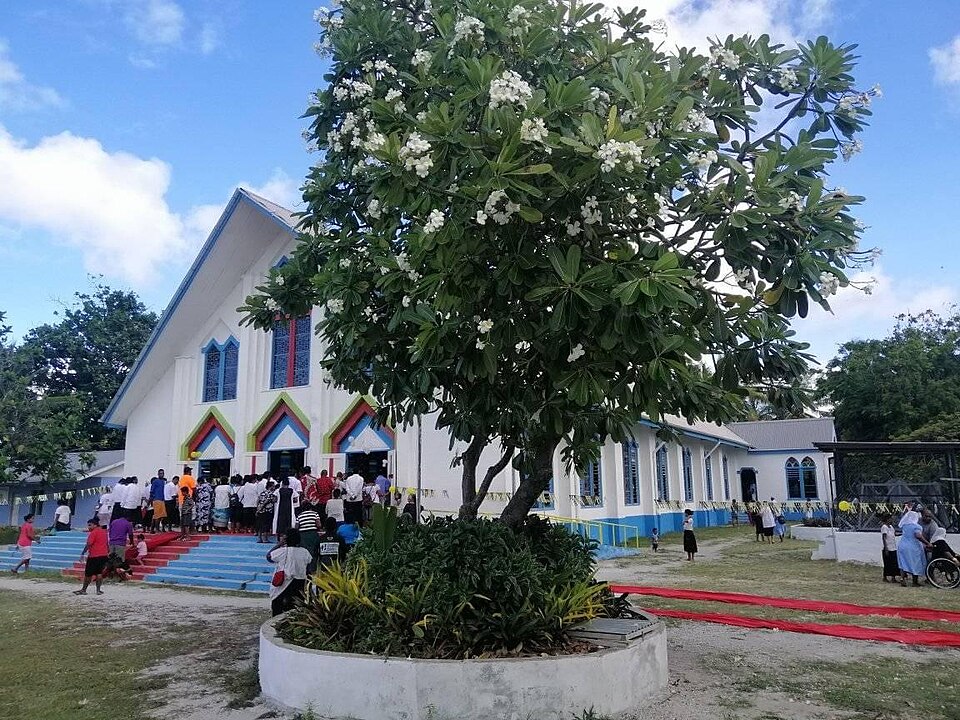
⛪Sacred Heart Cathedral, Tarawa
The Catholic cathedral on Tarawa atoll in the central Pacific.

🗿Ancient Marae Sites, Kiribati
Pre-Christian meeting and ceremonial platforms on Kiribati's atolls.

🪨Uluru (Ayers Rock)
A sacred monolith central to Aboriginal Australian creation stories.
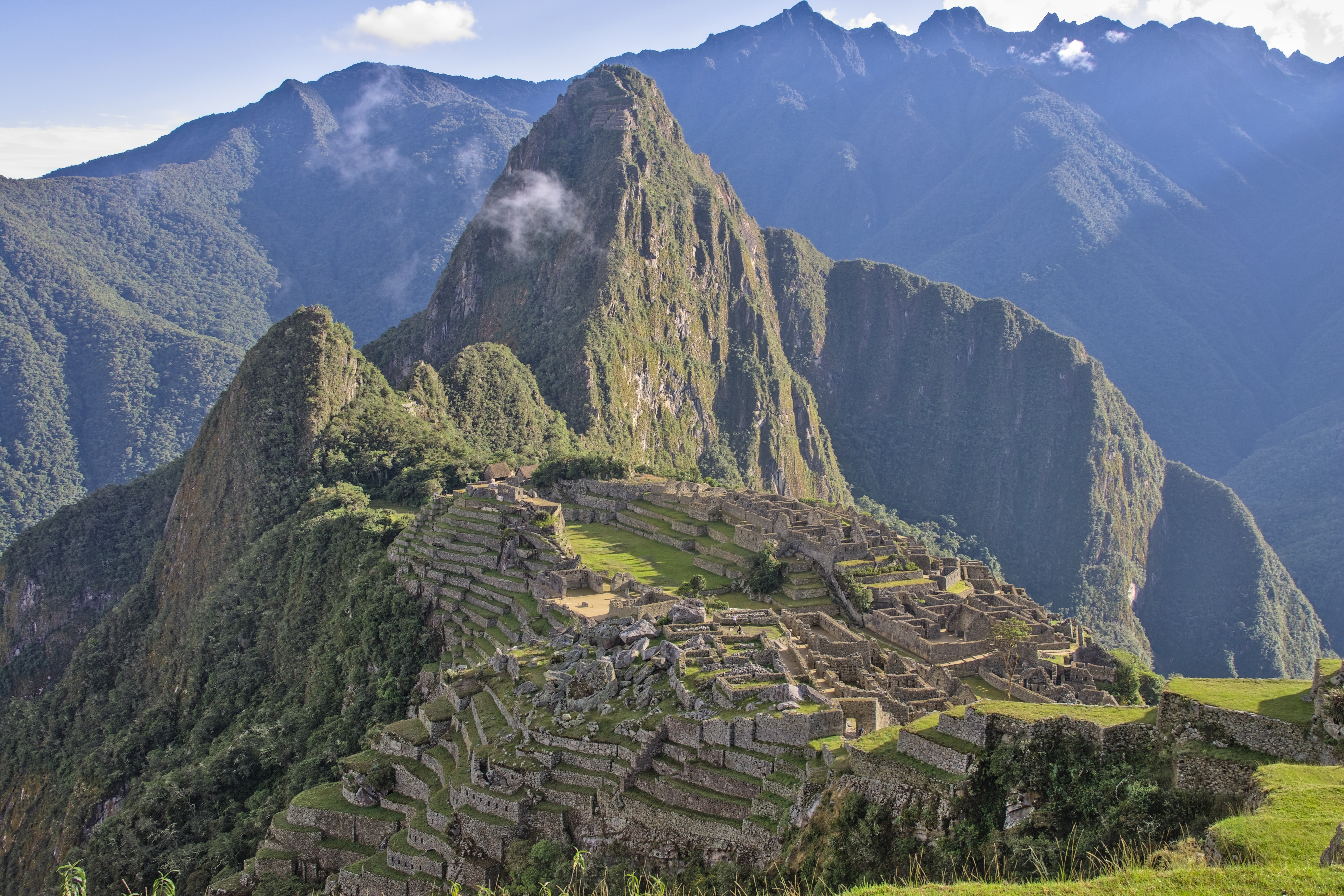
🏔️Machu Picchu
A sacred Inca citadel set high in the Andes, aligned with astronomical events.
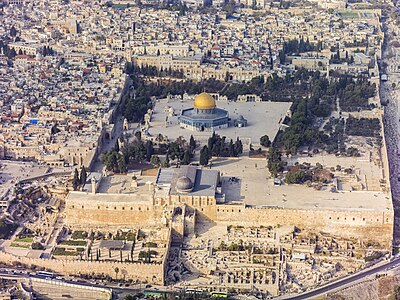
🕌Temple Mount / Al-Aqsa (Jerusalem)
Sacred to Judaism, Christianity, and Islam — the most contested holy site on Earth.

🙏Varanasi (Kashi Vishwanath Temple)
The holiest city in Hinduism, where the Ganges River purifies the soul.

