
The Best Time to Visit 20 Major Holy Sites (and When to Avoid)
Timing is everything. Here's when each major holy site offers the most powerful experience — and when crowds make visits challenging.
Timing Your Sacred Journey
The experience of visiting a holy site can vary dramatically depending on when you go. Some sites are most powerful during festivals; others are best experienced in quieter moments.
Peak Season (Most Powerful but Crowded)
Varanasi during Diwali (October/November): The entire city illuminated by millions of oil lamps along the Ganges creates an unforgettable spectacle.
Mecca during Hajj: The ultimate religious experience, but only for Muslims, and only during the designated Hajj period.
Santiago de Compostela, July 25 (St. James Day): The Botafumeiro swings through the cathedral, and the city celebrates with fireworks.
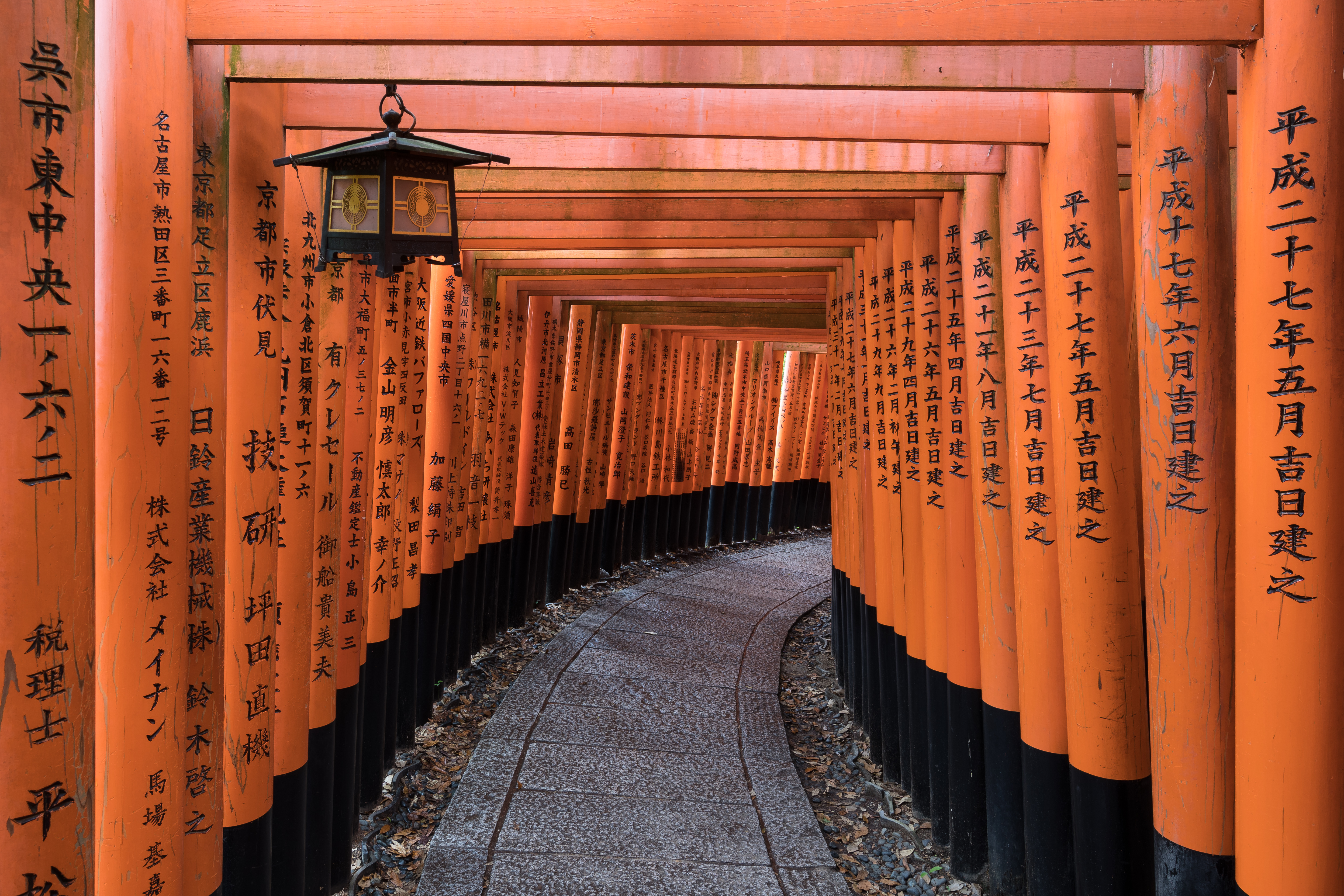
Fushimi Inari at New Year: Millions visit Japan's shrines for hatsumode (first shrine visit of the year).
Shoulder Season (Best Balance)
Angkor Wat in November-February: Cool, dry weather and manageable crowds. Dawn at the main temple is magical.
Jerusalem during shoulder months (March-April, October-November): Comfortable temperatures and fewer tourists than summer.
Machu Picchu in May or September: Dry season edges with fewer crowds than June-August peak.
Off-Season (Quieter, More Contemplative)
Bodh Gaya in October-November: After monsoon, before winter peak. Peaceful meditation under the Bodhi Tree.
Stonehenge on a winter weekday: Far fewer visitors, and the low winter light creates dramatic shadows on the stones.
Notre-Dame on a Tuesday morning: After the Monday closure, the cathedral is relatively peaceful.
When to Avoid
Golden Temple during Indian holidays: Wait times for entry can exceed 3-4 hours.
Hagia Sophia on Friday afternoons: Closed for prayer services.
Chichen Itza during spring equinox: Over 40,000 visitors pack the site to see the serpent shadow.
The Universal Tip
Arrive early. Almost every holy site is most magical in the first hour after opening, when light is soft and crowds are thin.
Timing Is Everything at Sacred Sites
The experience of visiting a holy site can vary dramatically depending on when you arrive. The same temple that feels like a serene sanctuary at dawn can be an overwhelming crush of humanity during a major festival. The same mountain trail that is a manageable pilgrimage in spring can be a dangerous ice sheet in winter. And some sacred sites are only open or accessible during specific seasons, lunar phases, or religious calendar dates. Planning your visit around these rhythms can mean the difference between a transformative experience and a frustrating one.
The Middle East and Mediterranean
Jerusalem: Spring (March-May) and autumn (September-November) offer the best weather, with temperatures between 15 and 25 degrees Celsius. Avoid Easter week and Jewish holidays (Passover, Sukkot) unless you specifically want to witness the festivals, as accommodation prices triple and crowds are extreme. The week after Easter is often ideal — spring weather, diminished crowds, and the residual energy of the holiday.
Mecca (Hajj): The Hajj dates shift each year according to the Islamic lunar calendar, moving roughly 11 days earlier each year. Check the current Hajj dates and book well in advance. Umrah (non-Hajj pilgrimage) can be performed year-round, with Ramadan being a particularly meritorious time. Summer temperatures in Mecca can exceed 45 degrees Celsius, making spring and winter visits physically easier for non-Hajj visits.
Istanbul's Mosques: Visit early morning (before 9 AM) or late afternoon for the fewest crowds. The Blue Mosque closes to tourists during the five daily prayer times. Ramadan brings extended opening hours and a festive atmosphere, particularly after iftar. The Hagia Sophia (now a functioning mosque) has similar patterns.
South Asia
Varanasi, India: October through March offers cooler temperatures and the major festivals of Diwali (October/November) and Dev Deepawali (November), when millions of oil lamps illuminate the ghats. The monsoon season (July-September) is hot and humid but offers dramatically atmospheric photography and significantly fewer tourists. The dawn aarti ceremony on the ghats is a must-see regardless of season.
Golden Temple, Amritsar: November through February is the most comfortable season. The temple is stunning during Diwali (Bandi Chhor Divas for Sikhs), when it is illuminated with thousands of lights and fireworks. The April celebration of Vaisakhi brings large but joyful crowds. Summer temperatures can exceed 45 degrees Celsius.
Bodh Gaya, India: December through February is the peak pilgrimage season, coinciding with comfortable weather and major Buddhist celebrations. The Dalai Lama traditionally gives teachings here in January, drawing huge crowds. The annual Kagyu Monlam prayer festival (December/January) fills the town with Tibetan Buddhist monks and nuns.
East Asia
Mount Fuji, Japan: The official climbing season runs from early July to mid-September, with the busiest period being the Obon holiday in mid-August. For the full pilgrimage experience (climbing through the night to reach the summit for sunrise), a weekday in early July or September offers the best balance of manageable weather and smaller crowds. The mountain can be admired year-round from surrounding areas, with winter views (when the snow-capped peak is most photogenic) being a cherished sight.
Kyoto Temples, Japan: Late November (autumn foliage) and early April (cherry blossoms) are the most beautiful seasons but also the most crowded. January and February offer serene, crowd-free temple visits — some temples hold special winter illumination events. Early morning visits (before 9 AM) at any season offer relative solitude even at popular temples like Kinkaku-ji and Fushimi Inari.
Angkor Wat, Cambodia: November through February offers dry weather and comfortable temperatures. The equinox sunrise alignment (March and September) is spectacular — the sun rises directly behind the central tower. The wet season (June-October) brings lush green surroundings, dramatic skies, and fewer visitors, though some trails become muddy.
Europe
Camino de Santiago, Spain: May, June, and September offer the best conditions — warm but not punishing, long daylight hours, and manageable (though not small) crowds. July and August bring extreme heat on the Meseta and maximum crowding. Winter walking is possible but challenging, with many services closed and short daylight hours.
The Vatican, Rome: Wednesday mornings (Papal Audience) and Sunday mornings (Angelus in St. Peter's Square) offer unique experiences but huge crowds. For the Sistine Chapel and St. Peter's Basilica, arrive at opening time (7 AM for the Basilica, 8 AM for the Museums) or in the late afternoon. January and February offer the smallest crowds year-round. Holy Week draws enormous crowds but is the most spiritually significant time.
Lourdes, France: The pilgrimage season runs from Easter to October, with the largest gatherings around the Feast of the Assumption (August 15). The torchlight Marian procession held nightly during the season is one of the most moving pilgrim experiences in Europe. Winter visits offer profound solitude at the Grotto.
Africa and the Americas
Lalibela, Ethiopia: September through February is the dry season and best for visiting. Timkat (Ethiopian Epiphany, January 19/20) and Meskel (Finding of the True Cross, September 27) are spectacular festivals to witness at the rock-hewn churches. The rainy season (June-August) makes roads difficult but the landscape is at its greenest.
Chichén Itzá, Mexico: The spring and autumn equinoxes (March 20-21, September 22-23) bring the famous "serpent shadow" effect on the Pyramid of Kukulcán, when shadows create the appearance of a serpent descending the staircase. Arrive early for these events, as tens of thousands attend. For general visits, November through March offers the best weather.

