🏯 Sanxia Qingshui Zushi Temple
Taiwan
About This Sacred Site
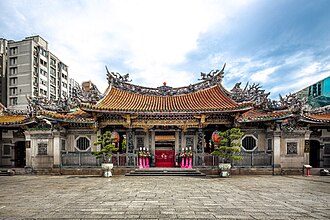
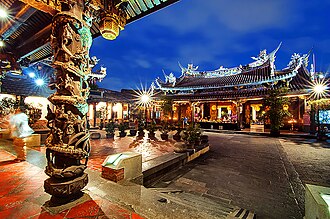
The Qingshui Zushi Temple in Sanxia (Sansia), New Taipei City, is considered the most artistically elaborate temple in Taiwan. Originally built in 1769 and reconstructed starting in 1947 under the direction of master artist Li Mei-shu, the temple features an extraordinary level of artistic detail. Every surface is covered with intricate stone, wood, and bronze carvings depicting scenes from Chinese history, mythology, and Taoist cosmology. The temple is dedicated to Qingshui Zushi (Master of Clear Water), a Song dynasty Buddhist monk revered as a Taoist deity.
History & Origins
Originally constructed in 1769, the temple honors Qingshui Zushi, a revered Taoist deity known for his miraculous powers. After suffering damage during the Japanese occupation and World War II, the temple underwent a significant reconstruction beginning in 1947, led by renowned Taiwanese artist Li Mei-shu. Li's restoration introduced intricate wood and stone carvings, elaborate sculptural reliefs, and vibrant painted murals, establishing the temple as an artistic masterpiece. The reconstruction process spanned over a decade, incorporating traditional craftsmanship techniques that preserved historical authenticity. The temple's elaborate decoration and architectural complexity have made it a landmark in Sanxia District and a symbol of Taiwanese cultural resilience. Its designation as a protected cultural site has facilitated ongoing maintenance and scholarly attention.
Spiritual Significance
The temple is considered the most artistically elaborate in Taiwan, where every surface is adorned with carvings and murals depicting Taoist cosmology and Qingshui Zushi's legendary deeds, providing devotees with a rich visual theology. Rituals include the annual birthday celebration of Qingshui Zushi, featuring incense offerings, Taoist music, and traditional lion dance performances to invoke protection and blessings. Pilgrims engage in the practice of “spirit writing,” receiving divine messages through mediums during temple festivals. The site emphasizes Taoist doctrines of harmony with nature, as reflected in its art and ritual calendar aligned with lunar phases. Devotional activities include the chanting of Taoist scriptures such as the Tao Te Ching and the use of talismans for spiritual protection. The temple functions as both a religious center and a repository of Taiwanese folk art, reinforcing the integration of spirituality and cultural identity.
Key Facts
- •Originally built in 1769, reconstructed from 1947 under artist Li Mei-shu
- •Considered the most artistically elaborate temple in Taiwan
- •Every surface is covered with intricate stone, wood, and bronze carvings
- •Dedicated to Qingshui Zushi, a Song dynasty monk revered as a deity
- •Li Mei-shu spent 36 years (1947–1983) on the reconstruction
Location
Coordinates: 24.9342, 121.3697
Frequently Asked Questions
What religion is Sanxia Qingshui Zushi Temple associated with?▾
Sanxia Qingshui Zushi Temple is a Taoism holy site located in Taiwan. It was established 1769 and is ranked #758 in our global directory of sacred sites.
When was Sanxia Qingshui Zushi Temple established?▾
Sanxia Qingshui Zushi Temple dates back to 1769. Originally built in 1769, reconstructed from 1947 under artist Li Mei-shu
How many people visit Sanxia Qingshui Zushi Temple each year?▾
Sanxia Qingshui Zushi Temple receives approximately 500,000+ visitors per year. Considered the most artistically elaborate temple in Taiwan
What is Sanxia Qingshui Zushi Temple known for?▾
An elaborately carved Taoist temple in Sanxia, considered the finest temple artwork in Taiwan. Visitors come seeking protection, guidance, blessings, healing. Every surface is covered with intricate stone, wood, and bronze carvings
Related Holy Sites
Sacred places connected by country, religion, and purpose