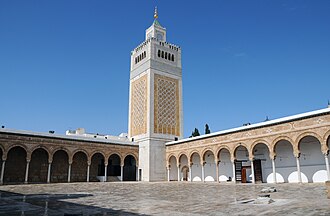
🕌 Zitouna Mosque (Tunis)
Tunisia
About This Sacred Site
The Zitouna Mosque, also known as the Mosque of the Olive Tree, is the oldest and most significant mosque in Tunis, Tunisia, established in 737 CE. It is renowned for its extensive Islamic educational institution, the University of Ez-Zitouna, which has been a major center for Islamic scholarship and jurisprudence. Architecturally, the mosque features a large courtyard, hypostyle prayer hall, and a minaret that exemplify classical Islamic design, playing a central role in the religious and intellectual life of Tunisia.
History & Origins
Founded in 737 CE by the Umayyad governor Ubayd Allah ibn al-Habhab, the mosque is the oldest in Tunis and one of the earliest in the Maghreb region. The mosque underwent major expansions during the Aghlabid dynasty in the 9th century, which included the addition of the distinctive ribbed dome over the mihrab and the construction of the minaret completed in 864 CE. Zitouna University, established within the mosque complex in the 8th century, became an eminent center of Islamic learning, producing scholars such as Ibn Khaldun and Al-Zaytuna. The mosque was restored and enlarged during the Hafsid period in the 13th century, incorporating Andalusian architectural influences. French colonial authorities preserved the mosque in the early 20th century despite pressures for modernization. The mosque today stands as a monumental example of Islamic architecture embodying layers of Tunisian religious and educational history.
Spiritual Significance
The mosque functions as a major hub for Sunni Maliki scholarship, with Zitouna University historically teaching the Quran, hadith, and fiqh based on Malik ibn Anas’s doctrines. The name "Mosque of the Olive Tree" refers to a purported ancient olive tree planted in its courtyard, symbolizing peace and wisdom in Islamic tradition. The mosque hosts communal prayers during Ramadan, especially Tarawih prayers performed after Isha, and organizes public Quranic recitations during Laylat al-Qadr. It is a focal point for religious festivals such as Eid al-Fitr and Eid al-Adha, where sermons emphasize social justice and piety according to Quranic injunctions. Pilgrims and students visit to study classical Islamic texts and attend lectures by prominent Tunisian theologians. The mosque’s architectural elements, including its ornate mihrab and calligraphic inscriptions of Surah Al-Mulk, reinforce its role in fostering devotional and intellectual Islamic life.
Key Facts
- •Founded in 737 CE, the oldest mosque in Tunis
- •Zitouna University, within the mosque, is one of the oldest in the world
- •The name means 'Mosque of the Olive Tree' referencing an olive tree at its founding site
- •The prayer hall contains 184 ancient columns from Roman-era Carthage
- •Scholars educated here influenced Islamic thought across North and West Africa
Location
Coordinates: 36.7975, 10.1711
Frequently Asked Questions
What religion is Zitouna Mosque (Tunis) associated with?▾
Zitouna Mosque (Tunis) is a Islam holy site located in Tunisia. It was established 737 CE and is ranked #379 in our global directory of sacred sites.
When was Zitouna Mosque (Tunis) established?▾
Zitouna Mosque (Tunis) dates back to 737 CE. Founded in 737 CE, the oldest mosque in Tunis
How many people visit Zitouna Mosque (Tunis) each year?▾
Zitouna Mosque (Tunis) receives approximately 400,000+ visitors per year. Zitouna University, within the mosque, is one of the oldest in the world
What is Zitouna Mosque (Tunis) known for?▾
Tunis's great mosque and one of Islam's oldest universities, founded in 737 CE. Visitors come seeking pilgrimage, spiritual enlightenment, blessings, guidance. The name means 'Mosque of the Olive Tree' referencing an olive tree at its founding site
Related Holy Sites
Sacred places connected by country, religion, and purpose
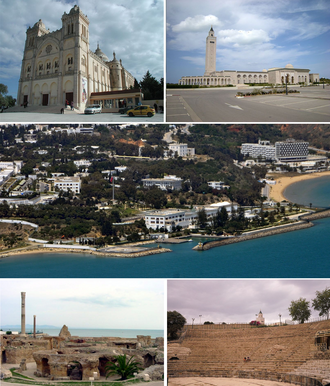
🏛️Carthage
The ruins of the great Phoenician city with the Tophet sanctuary and Roman temples, a UNESCO site.
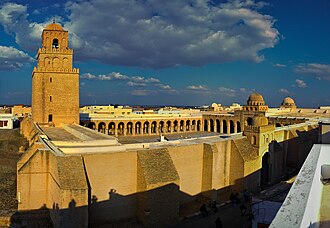
🕌Great Mosque of Kairouan
The oldest mosque in North Africa and the fourth holiest site in Islam, founded in 670 CE.