🏜️ Zaouia Moulay Ali Cherif (Rissani)
Morocco
About This Sacred Site
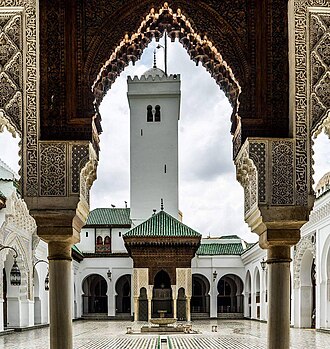
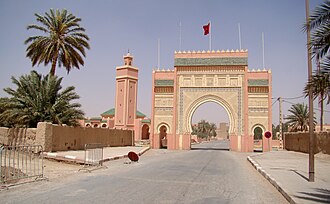
The Zaouia (religious sanctuary) of Moulay Ali Cherif in Rissani is one of Morocco's most revered holy sites, containing the tomb of the founder of the Alaouite dynasty — Morocco's current ruling family that has governed since the 17th century. Located at the edge of the Sahara Desert in the Tafilalet oasis, Rissani was once a wealthy caravan trading center. The zaouia was rebuilt in 1955 after flood damage and features classic Moroccan architectural elements including intricate stucco, zellij tilework, and carved cedar. As an ancestor of the current King Mohammed VI and a descendant of the Prophet Muhammad, Moulay Ali Cherif is deeply venerated. The site is closed to non-Muslims but can be admired from outside.
Spiritual Significance
Dating back to the 17th century and located at the edge of the Sahara in the historic Tafilalet oasis, the tomb commemorates Moulay Ali Cherif, founder of the Alaouite dynasty that has ruled Morocco since then. The zaouia serves as a pilgrimage destination during the annual moussem festival, where devotees perform dhikr (remembrance of God) and recite Quranic verses attributed to the founder's spiritual lineage. The site's desert location emphasizes themes of endurance and divine guidance, reflecting Alaouite claims of spiritual legitimacy through descent from the Prophet Muhammad. Pilgrims traditionally engage in ritual circumambulation around the tomb and consultation of the zaouia's marabouts (spiritual guides), practices rooted in Moroccan Sufi customs. This site is a tangible link between political authority and religious sanctity in Moroccan history.
Key Facts
- •Tomb of the founder of Morocco's current ruling Alaouite dynasty (17th century to present)
- •Located at the edge of the Sahara in the historic Tafilalet oasis region
- •Moulay Ali Cherif was a descendant of the Prophet Muhammad
- •Rebuilt in 1955 after severe flood damage
- •Rissani was once a major Saharan caravan trade center
Location
Coordinates: 31.2833, -4.2667
Frequently Asked Questions
What religion is Zaouia Moulay Ali Cherif (Rissani) associated with?▾
Zaouia Moulay Ali Cherif (Rissani) is a Islam holy site located in Morocco. It was established c. 17th century and is ranked #445 in our global directory of sacred sites.
When was Zaouia Moulay Ali Cherif (Rissani) established?▾
Zaouia Moulay Ali Cherif (Rissani) dates back to c. 17th century. Tomb of the founder of Morocco's current ruling Alaouite dynasty (17th century to present)
How many people visit Zaouia Moulay Ali Cherif (Rissani) each year?▾
Zaouia Moulay Ali Cherif (Rissani) receives approximately 200,000 visitors per year. Located at the edge of the Sahara in the historic Tafilalet oasis region
What is Zaouia Moulay Ali Cherif (Rissani) known for?▾
The tomb of the founder of Morocco's current ruling Alaouite dynasty at the edge of the Sahara. Visitors come seeking blessings, pilgrimage, ancestral connection, forgiveness. Moulay Ali Cherif was a descendant of the Prophet Muhammad
Related Holy Sites
Sacred places connected by country, religion, and purpose