✨ Wieskirche (Pilgrimage Church of Wies)
Germany
About This Sacred Site
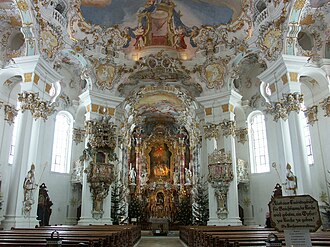
The Wieskirche (Pilgrimage Church of the Scourged Savior) is a stunningly ornate Rococo church set in an alpine meadow at the foot of the Bavarian Alps. It was built after a local farmer's wife saw the wooden statue of the Scourged Savior miraculously weep in 1738, sparking a wave of pilgrimage. The brothers Johann Baptist and Dominikus Zimmermann created what is considered the supreme masterpiece of Bavarian Rococo, with the interior ablaze with gold, pastel frescoes, and theatrical stucco work. The ceiling fresco by Johann Baptist Zimmermann depicts the Gate of Paradise and the Last Judgment.
History & Origins
The Pilgrimage Church of Wies was constructed between 1745 and 1754 following a reported miracle in 1738 when a wooden statue of the Scourged Christ was seen weeping tears of blood in the nearby village of Steingaden. Designed by architect Dominikus Zimmermann, the church showcases Rococo style, featuring an ornate ceiling fresco by Johann Baptist Zimmermann and stucco work by his brother Dominikus. The site quickly became a pilgrimage destination, prompting the Bavarian Elector Maximilian III Joseph to commission the church's construction to accommodate rising numbers of devotees. The Wieskirche was consecrated in 1754 and has undergone various restorations, including significant 20th-century efforts to preserve its frescoes and structural integrity. Recognized as a UNESCO World Heritage Site in 1983, the church remains a prominent example of Bavarian Rococo architecture and an active pilgrimage location within the Diocese of Augsburg.
Spiritual Significance
The church's spiritual importance centers on the weeping statue of the Scourged Christ, which pilgrims venerate through the annual Wies Pilgrimage held on the first Sunday in August, commemorating the 1738 miracle. Devotees participate in processions, confession, and masses invoking Christ’s Passion, reflecting the Stations of the Cross devotion integral to the church’s liturgy. The interior's Rococo artistry emphasizes themes of redemption and divine grace, with ceiling frescoes depicting the Heavenly Jerusalem as described in Revelation 21, enhancing contemplative prayer. The church's altar, designed to focus attention on the statue, facilitates Eucharistic adoration, aligning with Catholic teachings on the Real Presence of Christ. The pilgrimage has been endorsed by Popes, including Benedict XVI, who visited in 2006, affirming its theological significance within contemporary Catholic spirituality.
Key Facts
- •UNESCO World Heritage Site since 1983
- •Built after a wooden statue of Christ was reportedly seen weeping in 1738
- •The interior is considered the supreme achievement of Bavarian Rococo art
- •The Zimmermann brothers (architect and painter) created the masterpiece between 1745-1754
- •Dominikus Zimmermann loved the church so much he spent his final years in a house beside it
Location
Coordinates: 47.6806, 10.9005
Frequently Asked Questions
What religion is Wieskirche (Pilgrimage Church of Wies) associated with?▾
Wieskirche (Pilgrimage Church of Wies) is a Christianity holy site located in Germany. It was established 1745 and is ranked #357 in our global directory of sacred sites.
When was Wieskirche (Pilgrimage Church of Wies) established?▾
Wieskirche (Pilgrimage Church of Wies) dates back to 1745. UNESCO World Heritage Site since 1983
How many people visit Wieskirche (Pilgrimage Church of Wies) each year?▾
Wieskirche (Pilgrimage Church of Wies) receives approximately 1 million visitors per year. Built after a wooden statue of Christ was reportedly seen weeping in 1738
What is Wieskirche (Pilgrimage Church of Wies) known for?▾
A Rococo masterpiece in a Bavarian alpine meadow, built after a statue of Christ miraculously wept. Visitors come seeking miracles, healing, pilgrimage, blessings. The interior is considered the supreme achievement of Bavarian Rococo art
Related Holy Sites
Sacred places connected by country, religion, and purpose
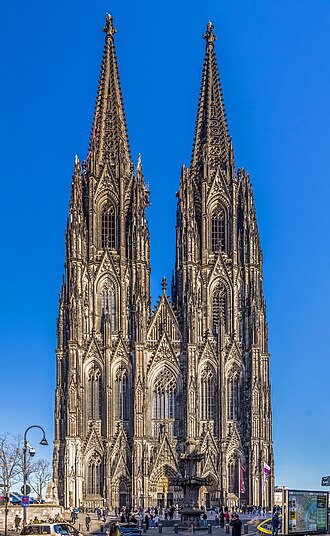
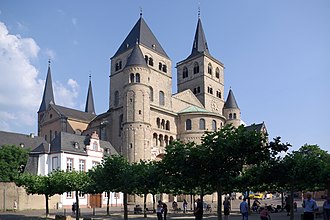
⛪Cologne Cathedral
Germany's most visited landmark, a Gothic masterpiece housing the Shrine of the Three Kings.
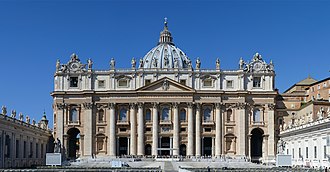
⛪Vatican City (St. Peter's Basilica)
The spiritual center of Roman Catholicism and home of the Pope.
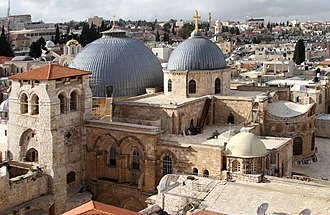
✝️Church of the Holy Sepulchre
The site where Jesus was crucified, buried, and resurrected.