🧥 Trier Cathedral (Dom St. Peter)
Germany
About This Sacred Site
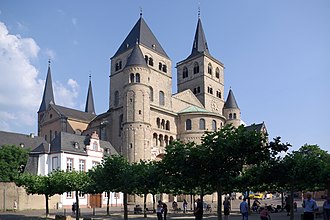
The Cathedral of St. Peter in Trier is the oldest cathedral in Germany, built on foundations laid by Emperor Constantine's mother, Helena, in the 4th century. The cathedral houses the Holy Robe (Heiliger Rock), believed to be the seamless garment of Christ for which Roman soldiers cast lots at the Crucifixion. The relic is rarely displayed; its last exhibition in 2012 drew over 500,000 pilgrims. The cathedral complex includes the adjacent Church of Our Lady (Liebfrauenkirche), one of the earliest Gothic churches in Germany, and both are UNESCO World Heritage Sites.
History & Origins
Founded around 340 CE by Roman Emperor Constantine the Great, the Trier Cathedral (Dom St. Peter) stands on the foundations of a 4th-century Roman palace complex, incorporating remnants of the Aula Palatina basilica built during his reign. The cathedral was consecrated under Bishop Agricius circa 350 CE, making it one of the oldest churches in Germany. Subsequent architectural expansions occurred in the Romanesque period (11th-12th centuries), including the addition of the westwork and crypt. The structure underwent Gothic modifications in the 13th century, notably the choir and vaulted ceilings. In the 18th century, Baroque elements were introduced, with significant restoration during the 19th century under Prussian rule focused on preserving its Roman heritage. The cathedral houses the Holy Robe, believed to be Christ's seamless garment, which has drawn pilgrims since the Middle Ages. Declared a UNESCO World Heritage Site in 1986, the building reflects over 1,600 years of continuous Christian worship and architectural evolution tied to Trier's status as a Roman imperial capital.
Spiritual Significance
The cathedral's most venerated relic is the Holy Robe, reputedly worn by Jesus during the Crucifixion, which is displayed only during special pilgrimages such as the Trier Pilgrimage every decade, attracting tens of thousands of faithful. The liturgical calendar includes the Feast of the Holy Robe, emphasizing the garment's connection to Gospel accounts in John 19:23-24. Pilgrims traditionally engage in processions through the cathedral's Romanesque crypt, believed to be a conduit to early Christian martyrs buried there. The cathedral celebrates the feast of Saint Peter on June 29 with a solemn mass and a procession along the Moselle River, reflecting the cathedral's dedication to the apostle. The Holy Robe Chapel, built in the 18th century, facilitates veneration aligned with medieval relic worship practices codified by the Council of Trent. The cathedral’s role as an episcopal seat reinforces its theological importance in the Roman Catholic Church in Germany, serving as a center for diocesan synods and ecumenical dialogues.
Key Facts
- •UNESCO World Heritage Site since 1986
- •The Holy Robe is believed to be Christ's seamless garment from the Crucifixion
- •Built on 4th-century Roman foundations from the time of Emperor Constantine
- •The last display of the Holy Robe in 2012 attracted over 500,000 pilgrims
- •The adjacent Liebfrauenkirche is one of the earliest Gothic churches in Germany
Location
Coordinates: 49.7565, 6.6433
Frequently Asked Questions
What religion is Trier Cathedral (Dom St. Peter) associated with?▾
Trier Cathedral (Dom St. Peter) is a Christianity holy site located in Germany. It was established c. 340 CE and is ranked #111 in our global directory of sacred sites.
When was Trier Cathedral (Dom St. Peter) established?▾
Trier Cathedral (Dom St. Peter) dates back to c. 340 CE. UNESCO World Heritage Site since 1986
How many people visit Trier Cathedral (Dom St. Peter) each year?▾
Trier Cathedral (Dom St. Peter) receives approximately 600,000 visitors per year. The Holy Robe is believed to be Christ's seamless garment from the Crucifixion
What is Trier Cathedral (Dom St. Peter) known for?▾
Germany's oldest cathedral, housing the Holy Robe said to be Christ's seamless garment. Visitors come seeking pilgrimage, blessings, healing, protection. Built on 4th-century Roman foundations from the time of Emperor Constantine
Related Holy Sites
Sacred places connected by country, religion, and purpose
⛪Cologne Cathedral
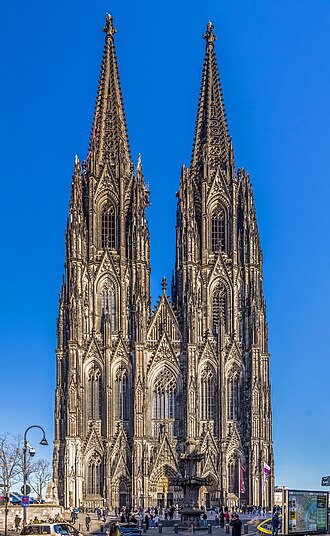
Germany's most visited landmark, a Gothic masterpiece housing the Shrine of the Three Kings.
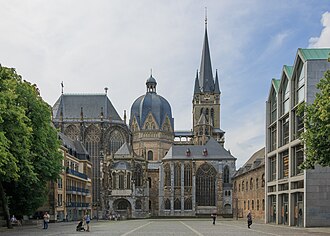
👑Aachen Cathedral
Charlemagne's Palatine Chapel, where Holy Roman Emperors were crowned for 600 years.
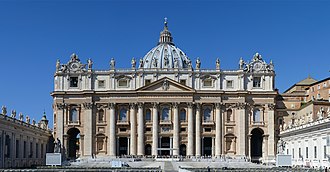
⛪Vatican City (St. Peter's Basilica)
The spiritual center of Roman Catholicism and home of the Pope.
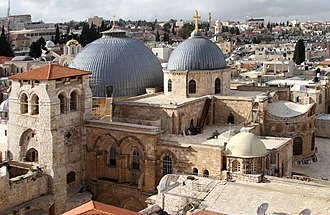
✝️Church of the Holy Sepulchre
The site where Jesus was crucified, buried, and resurrected.