⚰️ Vatican Grottoes
Vatican City
About This Sacred Site
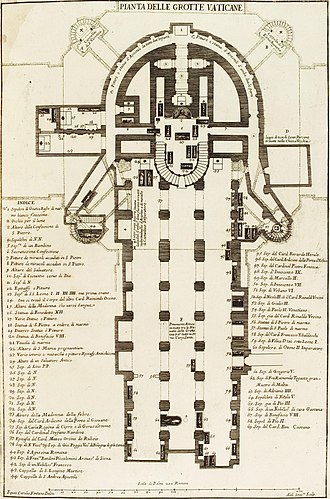
The Vatican Grottoes are a series of underground chapels and tombs located directly beneath the main floor of St. Peter's Basilica. They serve as the burial place for numerous popes, royals, and other important figures throughout Church history. The Tomb of St. Peter itself, located at the deepest level (the Scavi or Necropolis), was confirmed by archaeological excavations in the 1940s-1950s. The grottoes contain the remains of popes from the earliest centuries to the modern era, including John Paul II (whose tomb was here before his beatification).
History & Origins
The Vatican Grottoes, located beneath St. Peter's Basilica in Vatican City, date back to around 67 CE, traditionally marking the burial site of St. Peter, the foremost apostle. Archaeological excavations conducted in the 1940s under the direction of Antonio Ferrua confirmed the precise location of St. Peter's tomb, validating centuries-old tradition. The grottoes house the tombs of over 90 popes, making it a necropolis of immense historical importance, including the tomb of Pope John XXIII. Constructed initially as a burial site beneath the Constantinian basilica built by Emperor Constantine in the 4th century, the grottoes have undergone several renovations, notably during the Renaissance and again in the 20th century to preserve their structural integrity. Directly below the high altar of St. Peter's Basilica lies the Confessio, a sunken area built by Pope Urban VIII in 1626 to honor the tomb beneath. The site remains accessible to pilgrims and visitors through controlled access points beneath the basilica, maintaining its solemn and reverential atmosphere.
Spiritual Significance
The Vatican Grottoes serve as a vital pilgrimage destination for Christians worldwide, especially for those venerating St. Peter, considered the first pope according to Catholic tradition and scriptural references such as Matthew 16:18. Pilgrims often engage in prayer and veneration at the Confessio, where indulgences are granted under specific papal decrees. The grottoes' location beneath the high altar symbolizes the theological doctrine of apostolic succession and the Church's foundation on Peter's leadership. Major liturgical celebrations, including the Feast of Saints Peter and Paul on June 29, often include special prayers referencing the tomb. The presence of numerous papal tombs makes it a site for reflection on the papacy's historical continuity. Spiritual leaders, including recent popes, have emphasized the grottoes' role in connecting the faithful with the early Church's martyrs and the continuity of Catholic doctrine.
Key Facts
- •Archaeological excavations in the 1940s confirmed the location of St. Peter's tomb
- •The grottoes contain the tombs of over 90 popes
- •The Confessio, directly below the high altar, marks the closest point to St. Peter's grave
- •The Necropolis below the grottoes is a Roman-era cemetery dating to the 1st century
- •Pope Pius XII announced the discovery of St. Peter's remains in 1950
Location
Coordinates: 41.9021, 12.4536
Frequently Asked Questions
What religion is Vatican Grottoes associated with?▾
Vatican Grottoes is a Christianity holy site located in Vatican City. It was established c. 67 CE (burial of St. Peter) and is ranked #242 in our global directory of sacred sites.
When was Vatican Grottoes established?▾
Vatican Grottoes dates back to c. 67 CE (burial of St. Peter). Archaeological excavations in the 1940s confirmed the location of St. Peter's tomb
How many people visit Vatican Grottoes each year?▾
Vatican Grottoes receives approximately 3 million visitors per year. The grottoes contain the tombs of over 90 popes
What is Vatican Grottoes known for?▾
The underground burial chambers beneath St. Peter's Basilica, final resting place of numerous popes. Visitors come seeking pilgrimage, salvation, ancestral connection, peace. The Confessio, directly below the high altar, marks the closest point to St. Peter's grave
Related Holy Sites
Sacred places connected by country, religion, and purpose
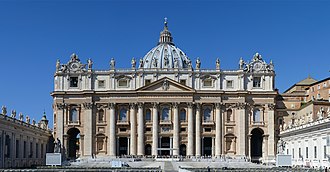
⛪Vatican City (St. Peter's Basilica)
The spiritual center of Roman Catholicism and home of the Pope.
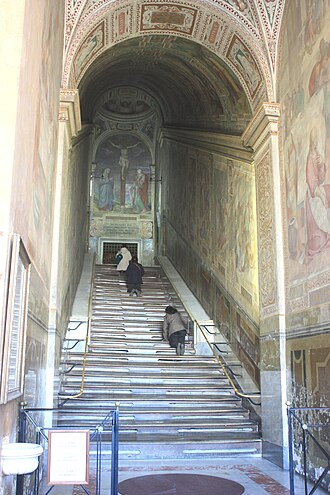
🪜Scala Santa (Holy Stairs)
The marble steps believed to have been climbed by Jesus at Pontius Pilate's palace, ascended on the knees by pilgrims.
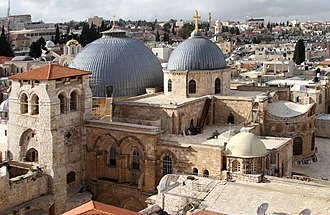
✝️Church of the Holy Sepulchre
The site where Jesus was crucified, buried, and resurrected.
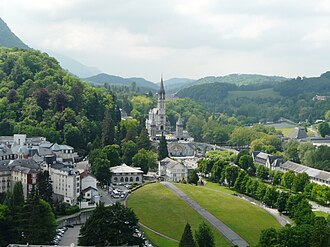
💧Lourdes (Sanctuary of Our Lady)
Where the Virgin Mary appeared 18 times, famous for miraculous healings.