🪜 Scala Santa (Holy Stairs)
Vatican City
About This Sacred Site
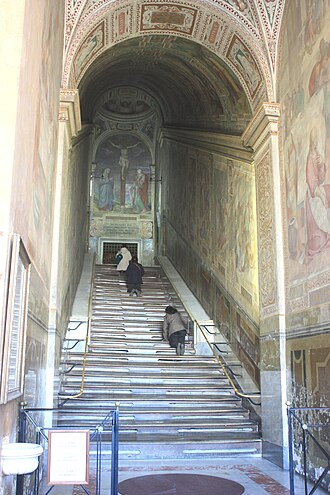
The Scala Santa (Holy Stairs) are a set of 28 white marble steps that tradition holds are the very stairs Jesus climbed when brought before Pontius Pilate for trial. According to tradition, St. Helena, mother of Emperor Constantine, brought the stairs from Jerusalem to Rome in 326 CE. Pilgrims ascend the stairs only on their knees, a practice that has continued for centuries. Martin Luther was climbing these steps when he experienced the revelation that inspired the Reformation. The stairs were opened for the first time in 300 years in 2019, revealing the original marble beneath their wooden covering.
History & Origins
The Scala Santa, or Holy Stairs, are a staircase of 28 white marble steps located in the Sancta Sanctorum chapel in Vatican City, traditionally believed to be the steps Jesus Christ ascended during his trial before Pontius Pilate in Jerusalem. According to ecclesiastical tradition, these stairs were brought to Rome in 326 CE by St. Helena, mother of Emperor Constantine, as part of her pilgrimage to the Holy Land. The stairs were originally part of the praetorium of Pilate's palace and were installed in their current location in the Lateran Palace. Over centuries, the Scala Santa has undergone restorations, including significant preservation works in the 18th and 20th centuries to protect the fragile marble steps, which are now covered with wood to prevent damage from pilgrims' ascents. Historically, figures like Martin Luther were recorded as climbing the stairs on their knees in penitence before his break with the Catholic Church.
Spiritual Significance
The Scala Santa holds profound significance for Catholic penitents, who traditionally ascend the steps on their knees in a ritual act of humility and penance, often reciting the 15 Psalms of the Passion. Pilgrims seeking indulgences perform this devotion particularly during Holy Week and on Good Friday, emphasizing Christ's suffering as recounted in the Gospels, notably John 19:13-16. The stairs represent a tangible link to the Passion narrative, making them a focal point for meditative prayer and spiritual renewal. The Pope and other high-ranking clergy occasionally lead public ascents during special liturgical celebrations, underscoring the stairs’ importance in the Church’s penitential practices. The theological significance is tied to the doctrine of Christ's redemptive suffering and the call for personal repentance, reinforced by papal indulgence grants associated with the ritual.
Key Facts
- •Tradition holds these are the stairs Jesus climbed at Pilate's palace in Jerusalem
- •Brought to Rome by St. Helena in 326 CE according to tradition
- •Martin Luther was climbing these stairs when he had his Reformation insight
- •The original marble was exposed for the first time in 300 years during a 2019 restoration
- •Pilgrims can only ascend the stairs on their knees, praying on each step
Location
Coordinates: 41.8878, 12.5072
Frequently Asked Questions
What religion is Scala Santa (Holy Stairs) associated with?▾
Scala Santa (Holy Stairs) is a Christianity holy site located in Vatican City. It was established 326 CE (traditional arrival in Rome) and is ranked #377 in our global directory of sacred sites.
When was Scala Santa (Holy Stairs) established?▾
Scala Santa (Holy Stairs) dates back to 326 CE (traditional arrival in Rome). Tradition holds these are the stairs Jesus climbed at Pilate's palace in Jerusalem
How many people visit Scala Santa (Holy Stairs) each year?▾
Scala Santa (Holy Stairs) receives approximately 1 million visitors per year. Brought to Rome by St. Helena in 326 CE according to tradition
What is Scala Santa (Holy Stairs) known for?▾
The marble steps believed to have been climbed by Jesus at Pontius Pilate's palace, ascended on the knees by pilgrims. Visitors come seeking pilgrimage, forgiveness, purification, salvation. Martin Luther was climbing these stairs when he had his Reformation insight
Related Holy Sites
Sacred places connected by country, religion, and purpose
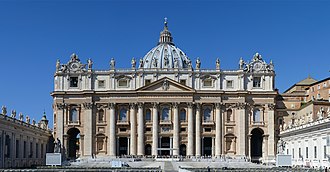
⛪Vatican City (St. Peter's Basilica)
The spiritual center of Roman Catholicism and home of the Pope.
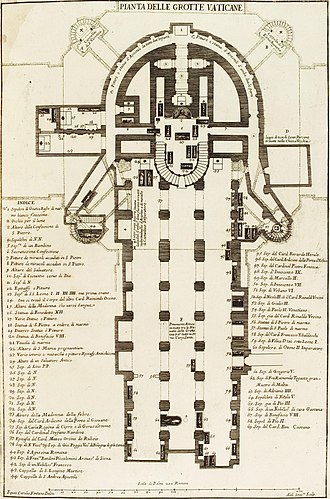
⚰️Vatican Grottoes
The underground burial chambers beneath St. Peter's Basilica, final resting place of numerous popes.
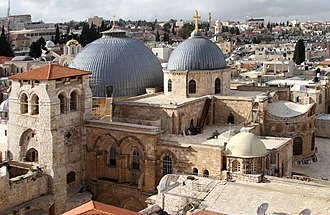
✝️Church of the Holy Sepulchre
The site where Jesus was crucified, buried, and resurrected.
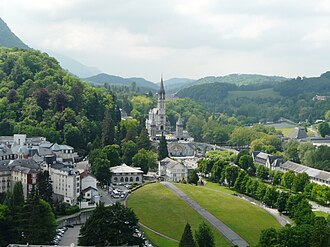
💧Lourdes (Sanctuary of Our Lady)
Where the Virgin Mary appeared 18 times, famous for miraculous healings.