🕌 Vakil Mosque
Iran
About This Sacred Site
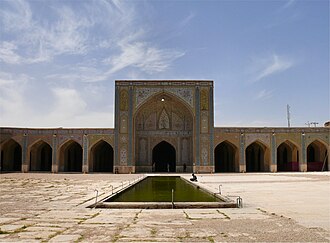
The Vakil Mosque in Shiraz, constructed between 1751 and 1773 under Zand ruler Karim Khan, is noted for its grand prayer hall and elegant tile work. The mosque features a spacious courtyard, high iwans, and beautifully carved wooden minbars. Its design emphasizes simplicity and function combined with artistic details, reflecting the Zand era's architectural sensibilities. The mosque remains an active place of worship and a testament to Shiraz’s cultural heritage.
History & Origins
Built during the reign of Karim Khan Zand, the Vakil Mosque was part of a larger complex including a bazaar and bathhouse, symbolizing the prosperity of Shiraz in the 18th century. The mosque’s construction spanned over two decades, showcasing innovations in Persian mosque architecture such as the extensive use of tile mosaics and woodwork. It survived damage from earthquakes and political changes, with restorations preserving its original character. The mosque remains a key historical and religious site reflecting the Zand dynasty’s legacy.
Spiritual Significance
Constructed by Karim Khan Zand between 1751 and 1773, the mosque functions as both a communal prayer space and a symbol of Zand dynasty piety. The prayer hall's 48 monolithic carved stone pillars support a series of shallow domes, creating an acoustically resonant environment conducive to recitation of the Quran and collective worship during Jumu'ah prayers. The mosque forms part of a larger complex including the Vakil Bazaar, promoting a close relationship between commerce and religious life. Ritual practices at the mosque include large-scale congregational prayers during Ramadan and Muharram, with special majlis sessions recounting the martyrdom of Imam Husayn. The mosque’s architecture reflects a blend of Zand and earlier Safavid styles, emphasizing symmetry and geometric ornamentation that symbolize divine order. The site also serves as a focal point for theological education, with study circles often held in adjoining chambers, underscoring its role in sustaining Shi’a scholastic traditions in Shiraz.
Key Facts
- •Built by Karim Khan Zand between 1751 and 1773
- •Features 48 monolithic carved stone pillars in the prayer hall
- •Part of a larger complex including the Vakil Bazaar
- •The tilework features elaborate floral motifs in seven colors
- •The night prayer hall has an area of over 2,700 square meters
Location
Coordinates: 29.6103, 52.5428
Frequently Asked Questions
What religion is Vakil Mosque associated with?▾
Vakil Mosque is a Islam holy site located in Iran. It was established 1773 and is ranked #742 in our global directory of sacred sites.
When was Vakil Mosque established?▾
Vakil Mosque dates back to 1773. Built by Karim Khan Zand between 1751 and 1773
How many people visit Vakil Mosque each year?▾
Vakil Mosque receives approximately 600,000 visitors per year. Features 48 monolithic carved stone pillars in the prayer hall
What is Vakil Mosque known for?▾
An 18th-century Zand dynasty mosque in Shiraz with 48 carved pillars and exquisite tilework. Visitors come seeking peace, meditation, spiritual enlightenment, blessings. Part of a larger complex including the Vakil Bazaar
Related Holy Sites
Sacred places connected by country, religion, and purpose