
🪨 Twyfelfontein Rock Engravings
Namibia
About This Sacred Site
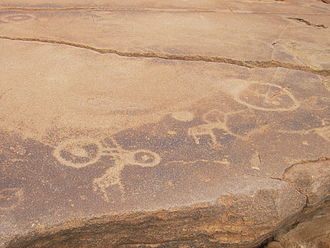
Twyfelfontein (ǀUi-ǁAis in Damara/Nama) is Namibia's first UNESCO World Heritage Site, containing one of the largest concentrations of rock petroglyphs in Africa. Over 2,000 engravings and some paintings, created by San (Bushmen) hunter-gatherers over 6,000 years ago, depict animals, human figures, and geometric patterns believed to represent shamanic visions and spiritual journeys. The engravings are thought to have been created during trance states as part of healing and rain-making ceremonies. The site was likely a place where shamans communicated with the spirit world.
History & Origins
This site, inscribed as Namibia's first UNESCO World Heritage Site in 2007, contains over 2,000 rock engravings created approximately 6,000 years ago by San hunter-gatherers. The engravings depict animals, human figures, and abstract patterns, serving as a record of prehistoric life and spiritual practices dating back to around 4000 BCE. Archaeological studies indicate the site was used continuously for millennia, with some engravings linked to shamanic rituals identified through ethnographic comparisons with contemporary San practices. The site has undergone preservation efforts since the late 20th century to prevent erosion and damage from tourism, ensuring the longevity of this invaluable cultural heritage. Twyfelfontein also marks an early example of rock art sites used for community gatherings and ritualistic ceremonies in southern Africa.
Spiritual Significance
The rock engravings are believed to have been created during shamanic trance ceremonies by San spiritual leaders who used the images as focal points for invoking animal spirits, crucial to their hunting success and cosmology. Rituals at the site historically involved trance dancing and the use of hallucinogenic plants, practices documented in San oral traditions and ethnographic records. Pilgrims and descendants of the San people continue to regard the engravings as sacred, often conducting ceremonies to honor the animals depicted, which include eland and giraffes associated with fertility and rain. The site functions as a tangible link to San mythology, including the belief that the engraved animals embody ancestral spirits guiding human interaction with the natural world. It remains a focal point for cultural preservation and spiritual education among indigenous communities.
Key Facts
- •Namibia's first UNESCO World Heritage Site, inscribed in 2007
- •Contains over 2,000 rock engravings dating back 6,000 years
- •Created by San hunter-gatherers during shamanic trance states
- •The name means 'doubtful spring' in Afrikaans
- •Engravings depict animals, human-animal transformations, and geometric patterns
Location
Coordinates: -20.5928, 14.3736
Frequently Asked Questions
What religion is Twyfelfontein Rock Engravings associated with?▾
Twyfelfontein Rock Engravings is a Indigenous holy site located in Namibia. It was established c. 4000 BCE and is ranked #61 in our global directory of sacred sites.
When was Twyfelfontein Rock Engravings established?▾
Twyfelfontein Rock Engravings dates back to c. 4000 BCE. Namibia's first UNESCO World Heritage Site, inscribed in 2007
How many people visit Twyfelfontein Rock Engravings each year?▾
Twyfelfontein Rock Engravings receives approximately 50,000 visitors per year. Contains over 2,000 rock engravings dating back 6,000 years
What is Twyfelfontein Rock Engravings known for?▾
Namibia's first UNESCO World Heritage Site with over 2,000 ancient rock engravings. Visitors come seeking ancestral connection, spiritual enlightenment, guidance. Created by San hunter-gatherers during shamanic trance states
Related Holy Sites
Sacred places connected by country, religion, and purpose
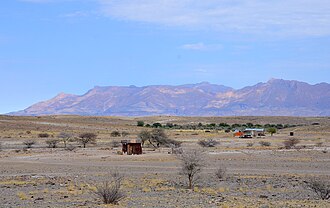
🏔️Brandberg Mountain
Namibia's highest mountain, home to the famous 'White Lady' rock painting.
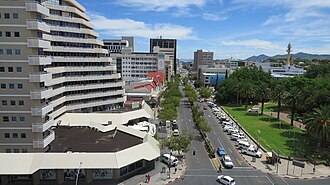
⛪Christuskirche Windhoek
Windhoek's iconic Lutheran church and symbol of Namibian history.
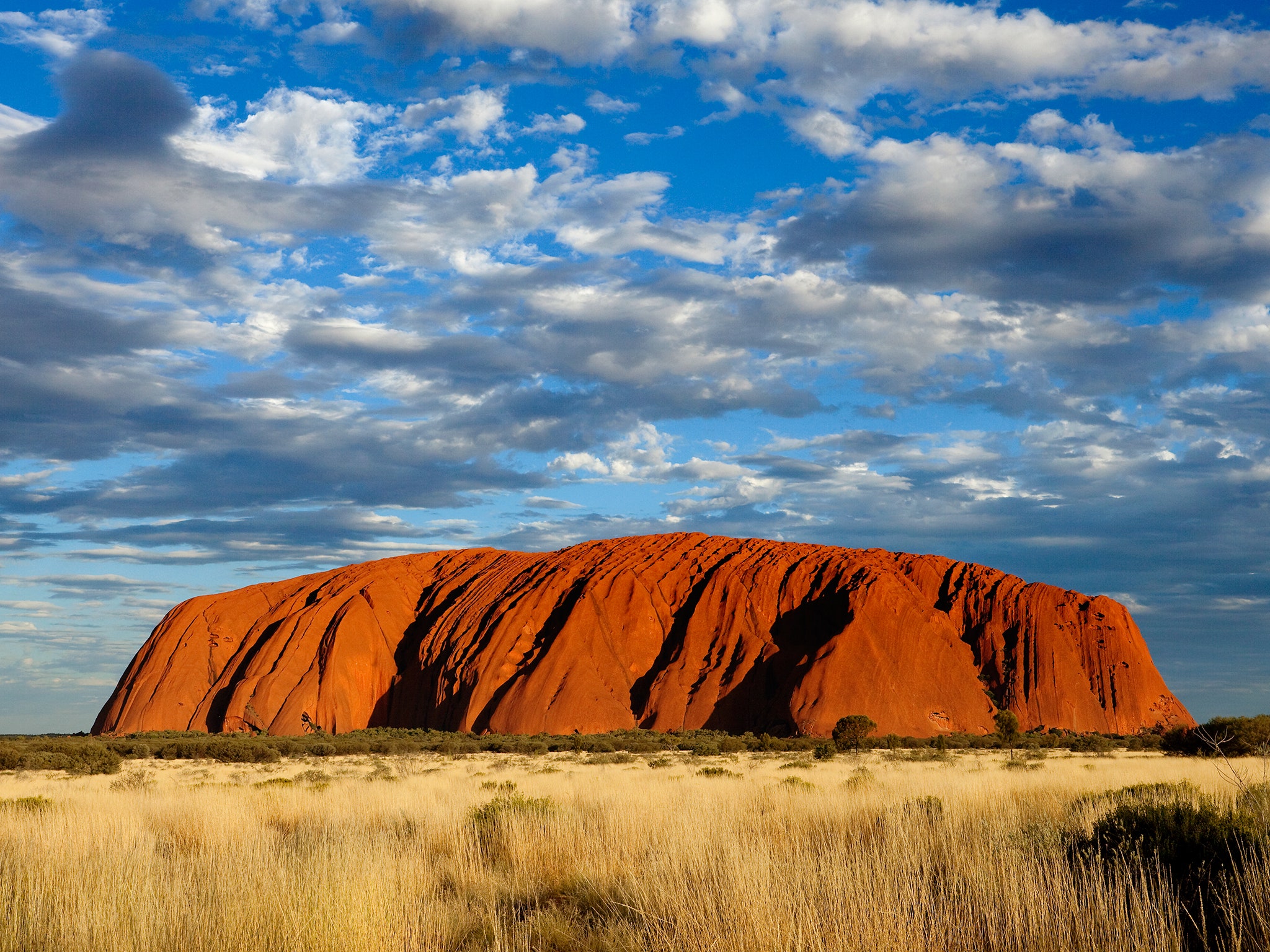
🪨Uluru (Ayers Rock)
A sacred monolith central to Aboriginal Australian creation stories.
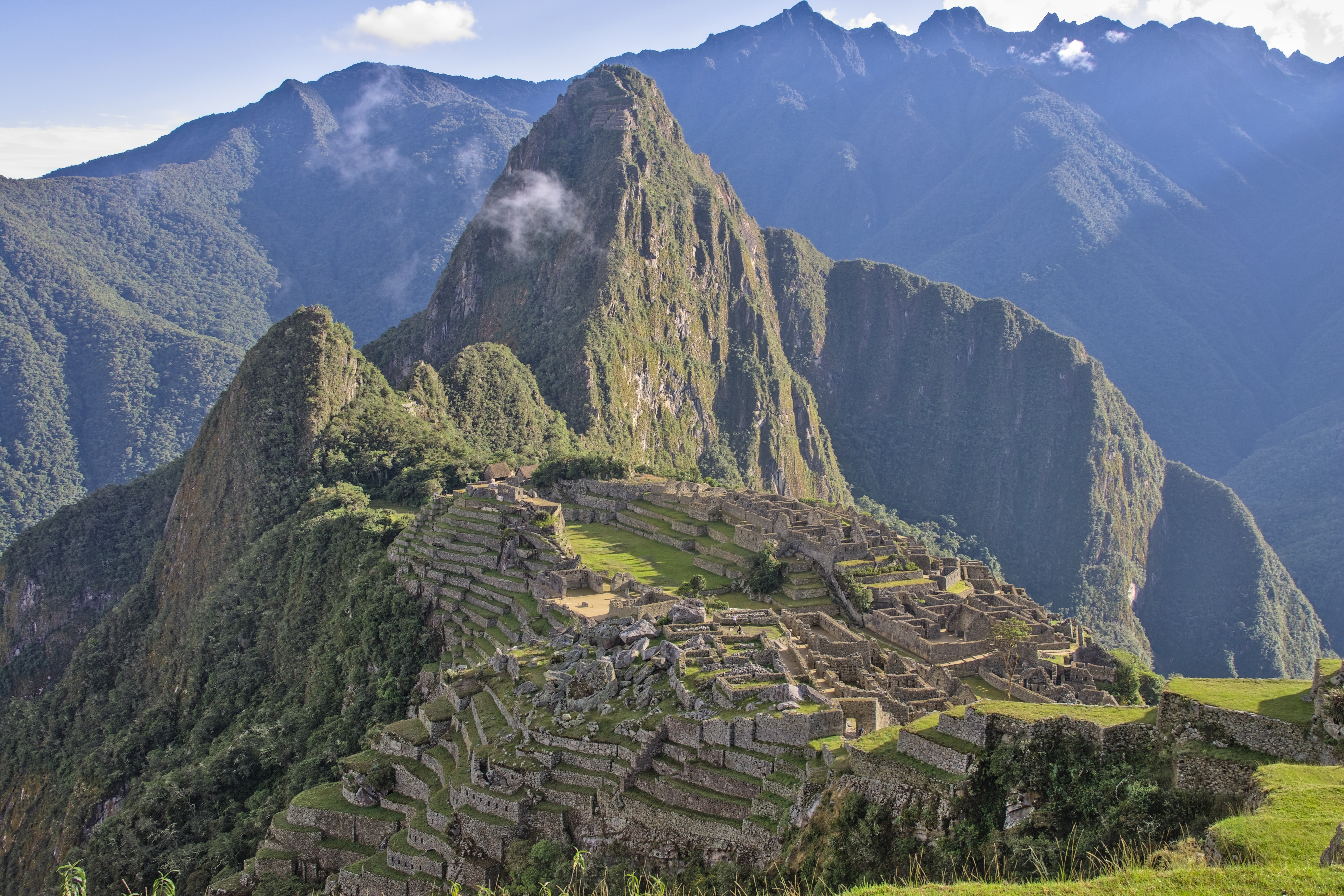
🏔️Machu Picchu
A sacred Inca citadel set high in the Andes, aligned with astronomical events.
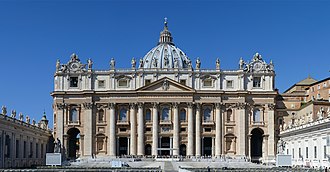
⛪Vatican City (St. Peter's Basilica)
The spiritual center of Roman Catholicism and home of the Pope.
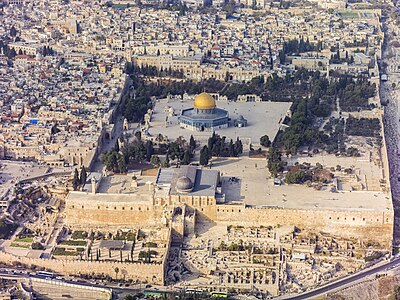
🕌Temple Mount / Al-Aqsa (Jerusalem)
Sacred to Judaism, Christianity, and Islam — the most contested holy site on Earth.

