🕌 Turkmenbashi Ruhy Mosque
Turkmenistan
About This Sacred Site
The Turkmenbashi Ruhy Mosque, also known as the Spirit of Turkmenbashi Mosque, is located in Gypjak near Ashgabat and is one of the largest mosques in Central Asia. Completed in 2004, it can accommodate 10,000 worshippers. The mosque is notable for its controversial design: alongside traditional Quranic inscriptions, verses from the Ruhnama, a spiritual guide written by former President Saparmurat Niyazov, are inscribed on the walls. It is part of a complex that includes the mausoleum of Niyazov and his family.
History & Origins
The Turkmenbashi Ruhy Mosque, also called the Spirit of Turkmenbashi Mosque, was inaugurated in 2004 in the village of Gypjak near Ashgabat, Turkmenistan. Commissioned by then-President Saparmurat Niyazov, known as Turkmenbashi, it stands as one of the largest mosques in Central Asia, with a capacity exceeding 10,000 worshippers. The mosque integrates traditional Islamic architectural elements with modern design, featuring soaring minarets and a vast central dome. It also houses a library and a mausoleum containing Niyazov's tomb. The mosque's construction symbolized Turkmenistan's post-Soviet national identity and an assertion of Islamic cultural revival, albeit closely intertwined with Turkmenbashi's personality cult. It remains a prominent religious and cultural landmark, attracting worshippers and visitors alike.
Spiritual Significance
Completed in 2004, this mosque accommodates up to 10,000 worshippers, serving as a central place for communal prayers such as Jumu'ah (Friday prayers) in Turkmenistan's capital. The mosque uniquely incorporates inscriptions from the Ruhnama, the spiritual guide authored by Saparmurat Niyazov, alongside verses from the Quran, which has sparked theological debate within Islamic scholarship. During Ramadan, special Taraweeh prayers are held nightly in the expansive prayer hall, attracting thousands. The mosque's complex includes educational facilities where sermons emphasize Turkmen national identity intertwined with Islamic teachings. Pilgrims and worshippers perform the five daily Salah within the mosque's vast courtyards and domed prayer spaces, adhering to Hanafi jurisprudence, the dominant school in the region. The mosque also hosts Eid al-Fitr and Eid al-Adha celebrations with sermons referencing both classical Hadith collections and excerpts from the Ruhnama.
Key Facts
- •Can accommodate 10,000 worshippers
- •Completed in 2004 at great expense
- •Controversially features inscriptions from the Ruhnama alongside the Quran
- •Part of a complex including Niyazov's family mausoleum
- •Four minarets each stand 91 meters tall, representing 1991 independence
Location
Coordinates: 37.8850, 58.2822
Frequently Asked Questions
What religion is Turkmenbashi Ruhy Mosque associated with?▾
Turkmenbashi Ruhy Mosque is a Islam holy site located in Turkmenistan. It was established 2004 and is ranked #722 in our global directory of sacred sites.
When was Turkmenbashi Ruhy Mosque established?▾
Turkmenbashi Ruhy Mosque dates back to 2004. Can accommodate 10,000 worshippers
How many people visit Turkmenbashi Ruhy Mosque each year?▾
Turkmenbashi Ruhy Mosque receives approximately 200,000 visitors per year. Completed in 2004 at great expense
What is Turkmenbashi Ruhy Mosque known for?▾
One of the largest mosques in Central Asia, featuring controversial inscriptions from the Ruhnama. Visitors come seeking peace, blessings, spiritual enlightenment, guidance. Controversially features inscriptions from the Ruhnama alongside the Quran
Related Holy Sites
Sacred places connected by country, religion, and purpose
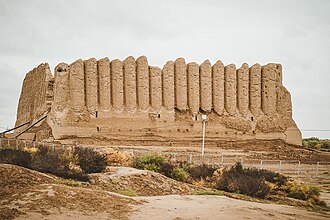
🏛️Merv (Ancient City)
A UNESCO Silk Road oasis city that was once the largest in the world, with diverse religious heritage.
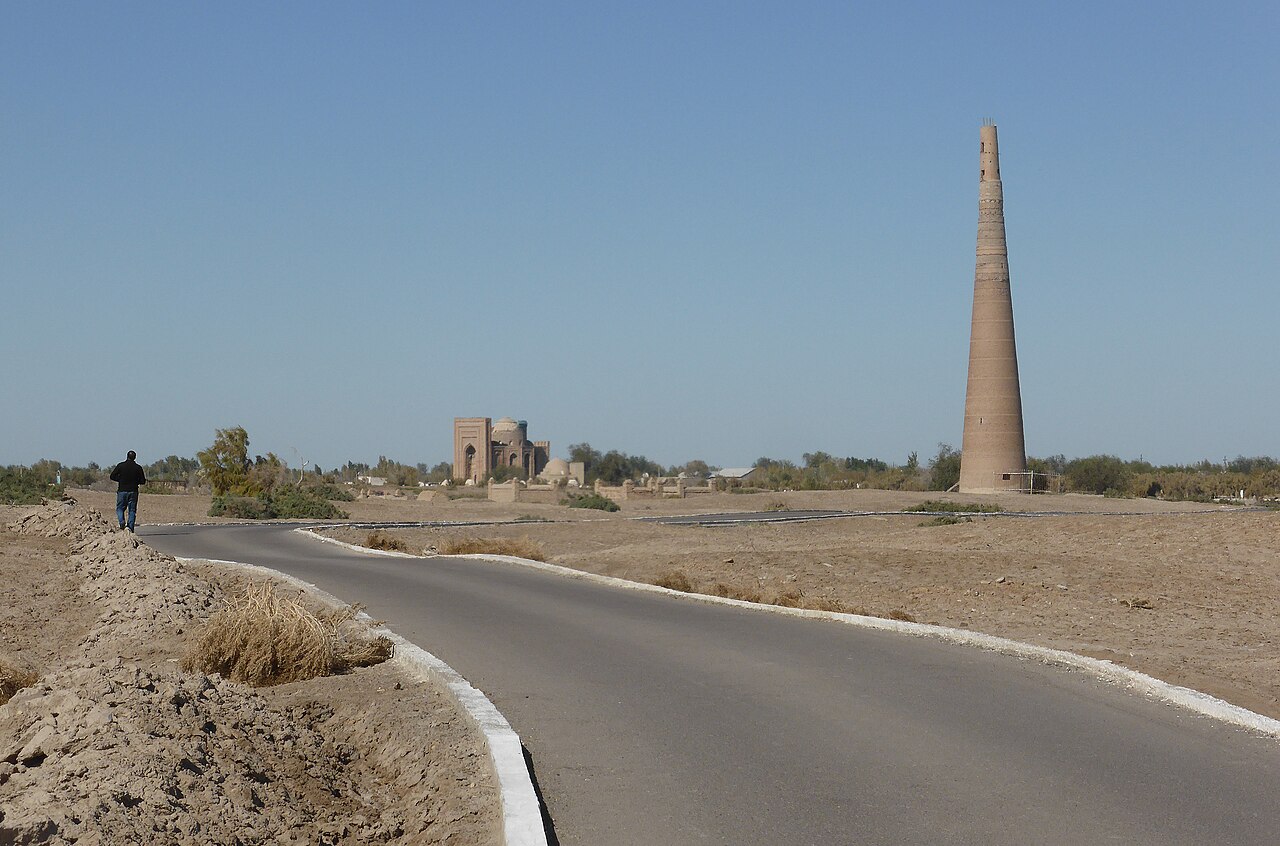
🗼Kunya-Urgench
A UNESCO site of medieval mausoleums and the tallest pre-modern minaret in Central Asia.