
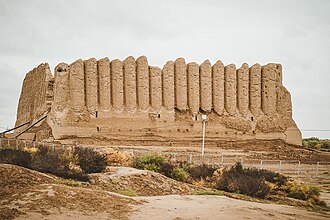
🏛️ Merv (Ancient City)
Turkmenistan
About This Sacred Site
Merv, a UNESCO World Heritage Site in southeastern Turkmenistan, was one of the great cities of the ancient world and at times the largest city on Earth. A vital Silk Road oasis, Merv hosted Buddhist, Christian, Zoroastrian, Manichaean, and Islamic communities over its 4,000-year history. The site includes the Sultan Sanjar Mausoleum, one of the finest Seljuk-era monuments, and remains of numerous mosques, churches, and temples. The city was devastated by the Mongols in 1221, resulting in one of history's most catastrophic massacres.
History & Origins
Merv, located in modern-day Turkmenistan, dates back to approximately the 3rd millennium BCE and has been continuously inhabited through multiple empires. Recognized as a UNESCO World Heritage Site since 1999, Merv was one of the largest cities globally during the 12th century under the Seljuk Empire. The city hosted diverse religious communities, including Buddhists during the Kushan period, Christians under the Parthians, Zoroastrians during the Sassanid era, and Muslims after the Arab conquest in the 7th century. Key historical events include its destruction by the Mongols in 1221 under Genghis Khan and later partial reconstruction under Timur in the 14th century. Archaeological surveys have uncovered remains of fire temples, churches, mosques, and Buddhist stupas, illustrating its multi-faith heritage. Merv's urban plan featured extensive irrigation systems and defensive walls, supporting a population that reached over 500,000 at its peak.
Spiritual Significance
The ancient city served as a major pilgrimage center for followers of Zoroastrianism, Islam, and Christianity, with rituals performed at temples dedicated to Ahura Mazda, mosques for daily prayers, and churches for liturgical services. Islamic scholars such as Al-Khwarizmi studied in its madrasas, which hosted Quranic recitation and theological debates. The city celebrated Nowruz with fire rituals rooted in Zoroastrian tradition, which later integrated Islamic elements. Pilgrims visited the shrine of Sultan Sanjar, a Seljuk ruler buried in Merv, where annual commemorations include recitations from the Sahih al-Bukhari Hadith collection. The coexistence of Buddhist, Christian, and Muslim sites within the city reflects the theological pluralism and syncretic practices that characterized Merv's spiritual landscape through the centuries.
Key Facts
- •UNESCO World Heritage Site since 1999
- •One of the largest cities in the world in the 12th century
- •Hosted Buddhist, Christian, Zoroastrian, and Islamic communities
- •The Sultan Sanjar Mausoleum is a masterpiece of Seljuk architecture
- •Devastated by the Mongol invasion of 1221
Location
Coordinates: 37.6625, 62.1697
Frequently Asked Questions
What religion is Merv (Ancient City) associated with?▾
Merv (Ancient City) is a Multi-faith holy site located in Turkmenistan. It was established c. 3rd millennium BCE and is ranked #126 in our global directory of sacred sites.
When was Merv (Ancient City) established?▾
Merv (Ancient City) dates back to c. 3rd millennium BCE. UNESCO World Heritage Site since 1999
How many people visit Merv (Ancient City) each year?▾
Merv (Ancient City) receives approximately 50,000 visitors per year. One of the largest cities in the world in the 12th century
What is Merv (Ancient City) known for?▾
A UNESCO Silk Road oasis city that was once the largest in the world, with diverse religious heritage. Visitors come seeking ancestral connection, spiritual enlightenment, pilgrimage, peace. Hosted Buddhist, Christian, Zoroastrian, and Islamic communities
Related Holy Sites
Sacred places connected by country, religion, and purpose
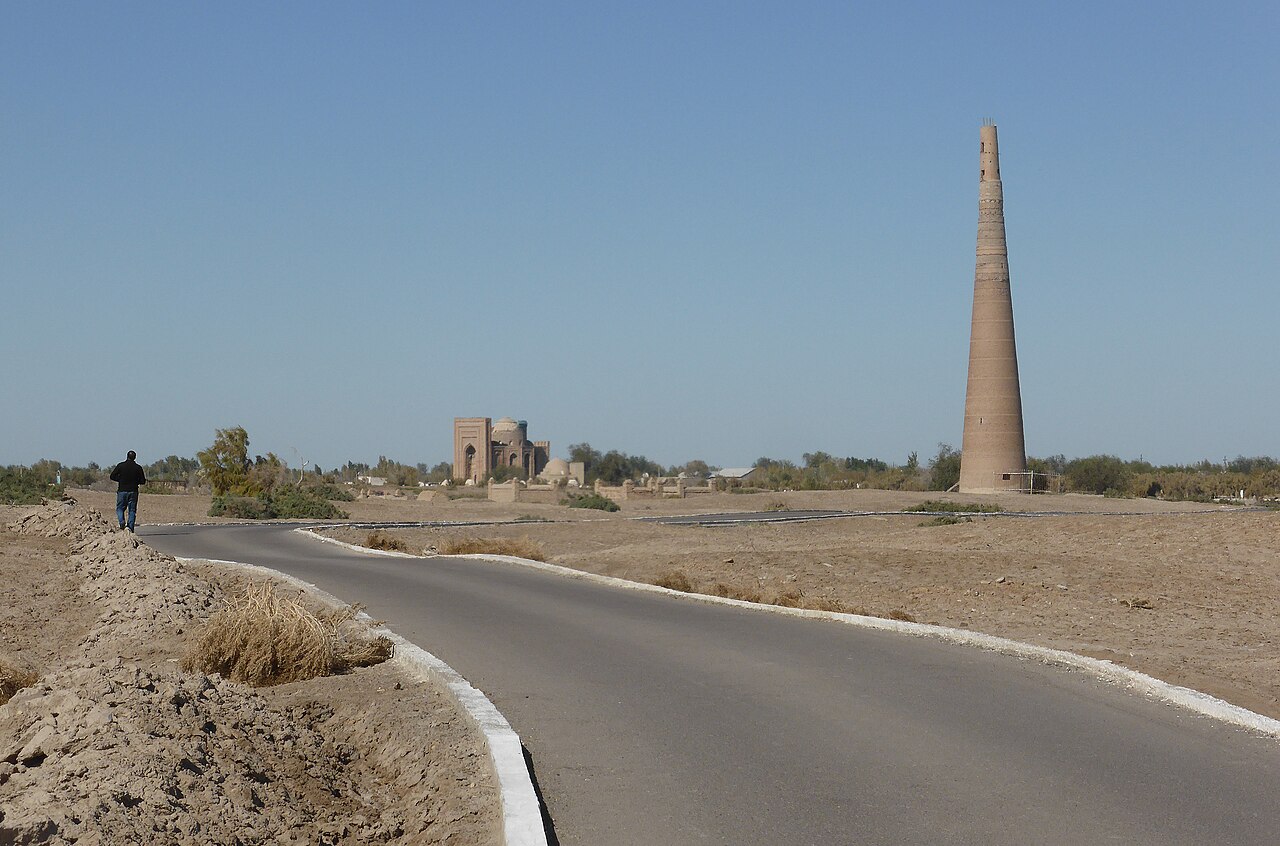
🗼Kunya-Urgench
A UNESCO site of medieval mausoleums and the tallest pre-modern minaret in Central Asia.
🕌Turkmenbashi Ruhy Mosque
One of the largest mosques in Central Asia, featuring controversial inscriptions from the Ruhnama.
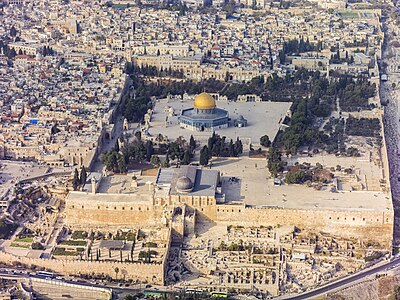
🕌Temple Mount / Al-Aqsa (Jerusalem)
Sacred to Judaism, Christianity, and Islam — the most contested holy site on Earth.
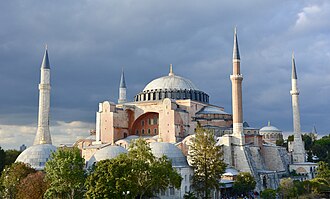
🏛️Hagia Sophia
A masterpiece that served as cathedral, mosque, and museum across centuries.
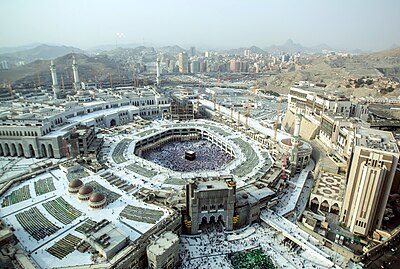
🕋Masjid al-Haram (Great Mosque of Mecca)
The holiest site in Islam, home of the Kaaba, and the destination for Hajj pilgrimage.
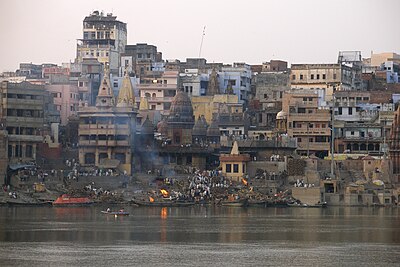
🙏Varanasi (Kashi Vishwanath Temple)
The holiest city in Hinduism, where the Ganges River purifies the soul.

