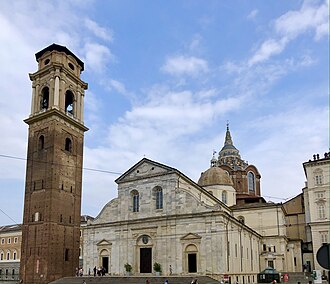
🧣 Cathedral of the Holy Shroud, Turin
Italy
About This Sacred Site
The Cathedral of St. John the Baptist in Turin houses Christianity's most famous and controversial relic: the Shroud of Turin, a linen cloth bearing the faint image of a man that many believe to be the burial shroud of Jesus Christ. The 4.4-meter cloth has been the subject of intense scientific study, with its origin still debated. The Shroud is rarely displayed publicly; its most recent exhibitions drew millions of pilgrims. The Royal Chapel of the Holy Shroud, designed by Guarino Guarini with its extraordinary mathematical dome, was badly damaged by fire in 1997 but has been restored.
History & Origins
The Cathedral of the Holy Shroud, officially known as the Cathedral of Saint John the Baptist, was constructed between 1491 and 1498 under the commission of Duke Emmanuel Philibert of Savoy to house the Shroud of Turin, which arrived in the city in 1578. The Shroud, a linen cloth approximately 4.4 by 1.1 meters, is believed by many to bear the image of Christ after crucifixion. The cathedral was designed by architect Guarino Guarini in the Baroque style during a significant renovation phase in the 17th century. The building has undergone multiple restorations, notably after a fire in 1997 that damaged the Chapel of the Holy Shroud where the relic is kept. Radiocarbon dating performed in 1988 suggested a medieval origin for the cloth, dating between 1260 and 1390, but this remains a subject of intense scholarly debate and religious veneration. The cathedral hosts public exhibitions of the Shroud, with the most recent major display held in 2015 attracting millions of pilgrims and visitors worldwide.
Spiritual Significance
The Shroud of Turin, enshrined within the cathedral since 1578, is central to Christian devotional practices related to the Passion of Christ, with the cloth measuring approximately 4.4 by 1.1 meters believed to bear the miraculous image of Jesus post-crucifixion. The cathedral holds special rites during Shroud exhibitions, where pilgrims engage in prayers centered on the Gospel accounts of Christ's suffering, especially citing scriptures from the Passion narratives in the Gospels of Matthew and John. Annual Holy Week ceremonies often include veneration services of the Shroud, and the cathedral has been a focal point for pilgrimages, particularly during Holy Year celebrations endorsed by the Vatican. Theological debates about the Shroud's authenticity involve Catholic leaders and scholars, with Pope John Paul II calling it a "mirror of the Gospel" and a means to deepen faith. The ritual display and prayer vigils held in the Chapel of the Holy Shroud emphasize themes of redemption and resurrection, drawing believers seeking a tangible connection to the events of Christ's crucifixion and resurrection.
Key Facts
- •The Shroud is a linen cloth measuring approximately 4.4 by 1.1 meters
- •Radiocarbon dating in 1988 suggested a medieval origin, but this remains disputed
- •The 2015 public exhibition drew over 2 million visitors in 67 days
- •Guarini's dome for the Chapel of the Holy Shroud is an architectural marvel of nested hexagons
- •The Shroud survived a fire in 1532 and another in 1997
Location
Coordinates: 45.0731, 7.6856
Frequently Asked Questions
What religion is Cathedral of the Holy Shroud, Turin associated with?▾
Cathedral of the Holy Shroud, Turin is a Christianity holy site located in Italy. It was established 1578 (Shroud arrived in Turin) and is ranked #613 in our global directory of sacred sites.
When was Cathedral of the Holy Shroud, Turin established?▾
Cathedral of the Holy Shroud, Turin dates back to 1578 (Shroud arrived in Turin). The Shroud is a linen cloth measuring approximately 4.4 by 1.1 meters
How many people visit Cathedral of the Holy Shroud, Turin each year?▾
Cathedral of the Holy Shroud, Turin receives approximately 1.5 million visitors per year. Radiocarbon dating in 1988 suggested a medieval origin, but this remains disputed
What is Cathedral of the Holy Shroud, Turin known for?▾
Home of the Shroud of Turin, the most studied and debated relic in the world. Visitors come seeking miracles, pilgrimage, healing, spiritual enlightenment. The 2015 public exhibition drew over 2 million visitors in 67 days
Related Holy Sites
Sacred places connected by country, religion, and purpose
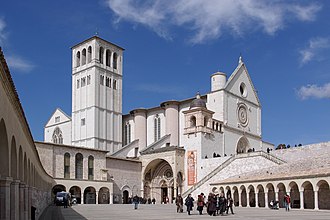
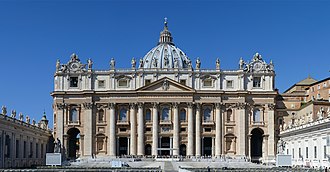
⛪Vatican City (St. Peter's Basilica)
The spiritual center of Roman Catholicism and home of the Pope.
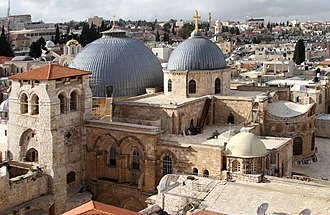
✝️Church of the Holy Sepulchre
The site where Jesus was crucified, buried, and resurrected.