🕊️ Basilica of St. Francis, Assisi
Italy
About This Sacred Site
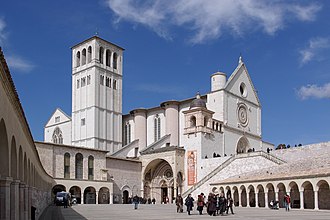
The Basilica of St. Francis in Assisi is built over the tomb of St. Francis (1181/82-1226), the beloved saint who renounced wealth to live in poverty and harmony with nature. The complex includes two churches stacked one above the other: the sombre Lower Basilica and the luminous Upper Basilica. The Upper Basilica contains Giotto's celebrated fresco cycle depicting 28 scenes from the life of St. Francis, one of the most important works in the history of Western art. The site is a major pilgrimage destination and was declared a UNESCO World Heritage Site in 2000.
History & Origins
The Basilica of St. Francis in Assisi, Italy, was constructed beginning in 1228, shortly after the canonization of St. Francis by Pope Gregory IX. The basilica comprises two main levels: the Upper and Lower Basilicas, built to accommodate the increasing number of pilgrims visiting the site of the saint's burial. Renowned painter Giotto created a cycle of 28 frescoes in the Upper Basilica during the early 14th century, depicting scenes from St. Francis's life and revolutionizing Western art through their naturalism and emotional depth. The complex suffered damage during the 1997 Umbria-Marche earthquakes but underwent meticulous restoration to preserve its medieval frescoes and structure. It was designated a UNESCO World Heritage Site in 2000, recognized for its cultural and religious significance. The basilica remains under the care of the Franciscan Order, maintaining its role as a pilgrimage destination and ecclesiastical landmark.
Spiritual Significance
As the burial place of St. Francis, patron saint of animals, ecology, and Italy, the basilica attracts pilgrims who engage in prayers inspired by the saint's Canticle of the Creatures, emphasizing harmony with nature. The feast day of St. Francis on October 4 is celebrated with special masses, blessings of animals, and processions reflecting his teachings on humility and poverty. The basilica's frescoes serve as visual sermons, illustrating theological concepts such as the Incarnation and the stigmata, as recorded in the saint's biographies. Pilgrims often participate in the Franciscan practice of simplicity and contemplation during visits, aligning with the order's Rule established in 1223. The basilica also hosts ecumenical events promoting peace and environmental stewardship, continuing the legacy of St. Francis's spirituality.
Key Facts
- •UNESCO World Heritage Site since 2000
- •Giotto's 28-scene fresco cycle in the Upper Basilica revolutionized Western painting
- •St. Francis is the patron saint of animals, ecology, and Italy
- •A devastating 1997 earthquake collapsed parts of the ceiling frescoes, which were painstakingly restored
- •Pope Francis took his papal name in honor of St. Francis of Assisi
Location
Coordinates: 43.0753, 12.6067
Frequently Asked Questions
What religion is Basilica of St. Francis, Assisi associated with?▾
Basilica of St. Francis, Assisi is a Christianity holy site located in Italy. It was established 1228 and is ranked #172 in our global directory of sacred sites.
When was Basilica of St. Francis, Assisi established?▾
Basilica of St. Francis, Assisi dates back to 1228. UNESCO World Heritage Site since 2000
How many people visit Basilica of St. Francis, Assisi each year?▾
Basilica of St. Francis, Assisi receives approximately 5 million visitors per year. Giotto's 28-scene fresco cycle in the Upper Basilica revolutionized Western painting
What is Basilica of St. Francis, Assisi known for?▾
The burial place of St. Francis, founder of the Franciscan order and patron saint of animals and ecology. Visitors come seeking peace, healing, pilgrimage, spiritual enlightenment. St. Francis is the patron saint of animals, ecology, and Italy
Related Holy Sites
Sacred places connected by country, religion, and purpose
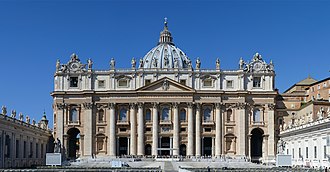
⛪Vatican City (St. Peter's Basilica)
The spiritual center of Roman Catholicism and home of the Pope.
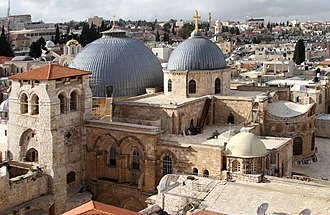
✝️Church of the Holy Sepulchre
The site where Jesus was crucified, buried, and resurrected.