
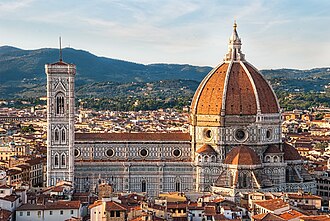
🏛️ Florence Cathedral (Santa Maria del Fiore)
Italy
About This Sacred Site
The Cathedral of Santa Maria del Fiore, with Brunelleschi's revolutionary dome, dominates the Florence skyline and represents the triumph of Renaissance faith and ingenuity. The dome, completed in 1436, remains the largest masonry dome ever constructed and was an engineering feat that seemed impossible at the time. The cathedral complex includes Giotto's Campanile and the Baptistery of St. John with Ghiberti's 'Gates of Paradise' bronze doors. The interior contains Paolo Uccello's clock, Vasari's Last Judgment fresco inside the dome, and a rich collection of Renaissance art.
Spiritual Significance
The Florence Cathedral, or Santa Maria del Fiore, is not only an architectural marvel but also a vital center for liturgical celebrations in the Archdiocese of Florence. Filippo Brunelleschi's dome, completed in 1436 with a diameter of 45.5 meters, symbolizes the heavens and is celebrated on the Feast of the Annunciation on March 25, marking both the Incarnation and the dome's consecration. The innovative herringbone brick pattern used in the dome's construction allowed it to be built without wooden centering, reflecting Renaissance ingenuity inspired by Christian humanism. The cathedral hosts the annual Scoppio del Carro (Explosion of the Cart) on Easter Sunday, a ritual invoking divine blessing for the city and harvest. Liturgies within the cathedral emphasize Marian devotion, particularly under the title of Santa Maria del Fiore, rooted in references such as Luke 1:28. The cathedral's art and architecture serve as catechesis, illustrating biblical narratives and the Christian story of salvation.
Key Facts
- •Brunelleschi's dome is the largest masonry dome in the world at 45.5 meters in diameter
- •The dome was built without temporary wooden centering, using a herringbone brick pattern
- •Ghiberti's bronze 'Gates of Paradise' on the Baptistery took 27 years to complete
- •The cathedral can hold 30,000 worshippers
- •The Explosion of the Cart (Scoppio del Carro) ceremony at Easter dates to the First Crusade
Location
Coordinates: 43.7731, 11.2560
Frequently Asked Questions
What religion is Florence Cathedral (Santa Maria del Fiore) associated with?▾
Florence Cathedral (Santa Maria del Fiore) is a Christianity holy site located in Italy. It was established 1296 and is ranked #278 in our global directory of sacred sites.
When was Florence Cathedral (Santa Maria del Fiore) established?▾
Florence Cathedral (Santa Maria del Fiore) dates back to 1296. Brunelleschi's dome is the largest masonry dome in the world at 45.5 meters in diameter
How many people visit Florence Cathedral (Santa Maria del Fiore) each year?▾
Florence Cathedral (Santa Maria del Fiore) receives approximately 4.5 million visitors per year. The dome was built without temporary wooden centering, using a herringbone brick pattern
What is Florence Cathedral (Santa Maria del Fiore) known for?▾
The Renaissance masterpiece crowned by Brunelleschi's dome, a triumph of faith and engineering. Visitors come seeking spiritual enlightenment, blessings, guidance, peace. Ghiberti's bronze 'Gates of Paradise' on the Baptistery took 27 years to complete
Related Holy Sites
Sacred places connected by country, religion, and purpose
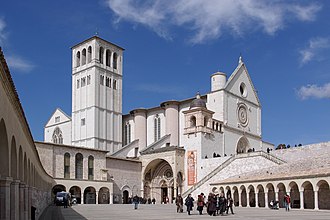
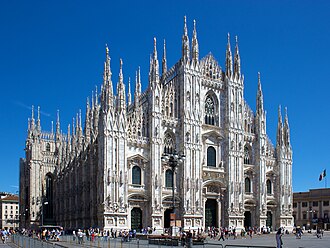

⛪Vatican City (St. Peter's Basilica)
The spiritual center of Roman Catholicism and home of the Pope.
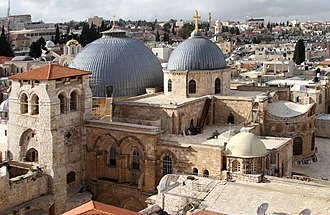
✝️Church of the Holy Sepulchre
The site where Jesus was crucified, buried, and resurrected.

🕌Temple Mount / Al-Aqsa (Jerusalem)
Sacred to Judaism, Christianity, and Islam — the most contested holy site on Earth.
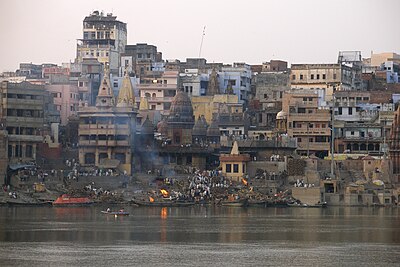
🙏Varanasi (Kashi Vishwanath Temple)
The holiest city in Hinduism, where the Ganges River purifies the soul.

