⚱️ Tomb of the Prophets (Mount of Olives, Palestinian side)
Palestine
About This Sacred Site
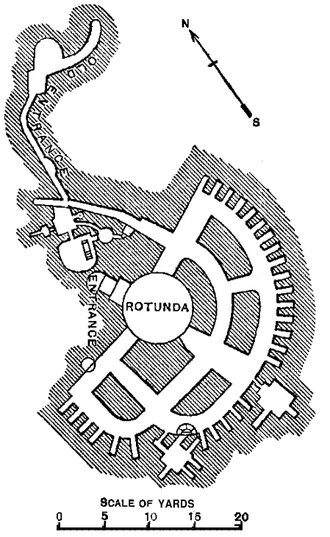
The Tomb of the Prophets is an ancient underground burial complex on the upper slopes of the Mount of Olives, traditionally believed to contain the burial places of the prophets Haggai, Zechariah, and Malachi from the Hebrew Bible. The catacomb consists of a central chamber with two concentric halls containing 36 burial niches (kokhim). While modern archaeologists date the complex to the 1st century CE, religious tradition associates it with the biblical prophets who lived centuries earlier. The site is significant to Judaism, Christianity, and Islam, as all three faiths revere these prophets. The underground chambers, carved into the limestone hillside, create an atmosphere of ancient reverence and mystery.
History & Origins
The Tomb of the Prophets on the Mount of Olives dates archaeologically to the 1st century CE, featuring burial niches hewn into rock arranged in two concentric semicircular halls. Traditionally, it is believed to house the remains of the prophets Haggai, Zechariah, and Malachi, figures significant in Jewish and Christian scriptures. The site underwent various periods of use and neglect, with renovations during the Byzantine era and later under Ottoman rule. Its strategic location on the Mount of Olives links it to the nearby ancient Jewish cemetery and early Christian pilgrim routes. Archaeological excavations in the 20th century uncovered the burial chambers' complex construction, confirming its role as a prestigious burial site. Despite political tensions, the site remains accessible for multi-faith visitation, reflecting its continuous reverence through centuries.
Spiritual Significance
The tomb is venerated by Jews, Christians, and Muslims, each attributing prophetic importance to Haggai, Zechariah, and Malachi, whose writings appear in the Hebrew Bible and Christian Old Testament. Pilgrims traditionally visit to recite prayers and psalms associated with these prophets, particularly during festivals like Sukkot and the Jewish fast of the Tenth of Tevet, which commemorates the prophets' calls for repentance. Christian pilgrims also connect the site to Old Testament prophecy fulfilled in the New Testament, often including it in pilgrimage circuits around Jerusalem. The 36 burial niches symbolize the communal veneration of prophets, with the architecture designed to accommodate ritual purification and prayer. Islamic tradition respects the prophets as messengers, and Muslim visitors often recite Quranic verses honoring them. The site's layered spiritual heritage emphasizes prophetic intercession and covenantal continuity across Abrahamic faiths.
Key Facts
- •Traditionally believed to hold the tombs of prophets Haggai, Zechariah, and Malachi
- •Contains 36 burial niches arranged in two concentric semicircular halls
- •Archaeologically dated to the 1st century CE, though tradition places it centuries earlier
- •All three Abrahamic faiths revere the prophets said to be buried here
- •Located on the upper slopes of the Mount of Olives, overlooking Jerusalem
Location
Coordinates: 31.7772, 35.2447
Frequently Asked Questions
What religion is Tomb of the Prophets (Mount of Olives, Palestinian side) associated with?▾
Tomb of the Prophets (Mount of Olives, Palestinian side) is a Multi-faith holy site located in Palestine. It was established c. 1st century CE (archaeological date) and is ranked #340 in our global directory of sacred sites.
When was Tomb of the Prophets (Mount of Olives, Palestinian side) established?▾
Tomb of the Prophets (Mount of Olives, Palestinian side) dates back to c. 1st century CE (archaeological date). Traditionally believed to hold the tombs of prophets Haggai, Zechariah, and Malachi
How many people visit Tomb of the Prophets (Mount of Olives, Palestinian side) each year?▾
Tomb of the Prophets (Mount of Olives, Palestinian side) receives approximately 200,000 visitors per year. Contains 36 burial niches arranged in two concentric semicircular halls
What is Tomb of the Prophets (Mount of Olives, Palestinian side) known for?▾
An ancient burial cave believed to hold the tombs of the prophets Haggai, Zechariah, and Malachi. Visitors come seeking pilgrimage, ancestral connection, blessings, guidance. Archaeologically dated to the 1st century CE, though tradition places it centuries earlier
Related Holy Sites
Sacred places connected by country, religion, and purpose
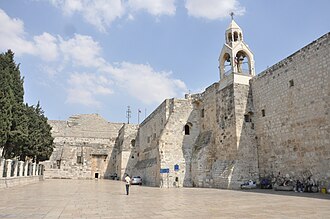
⭐Church of the Nativity
Built over the cave where Jesus Christ is believed to have been born.
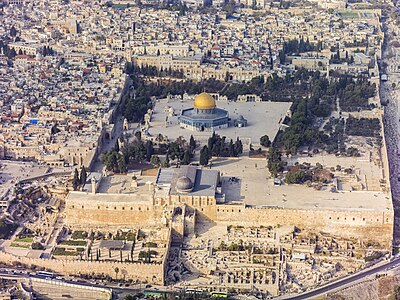
🕌Temple Mount / Al-Aqsa (Jerusalem)
Sacred to Judaism, Christianity, and Islam — the most contested holy site on Earth.
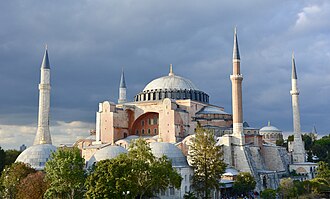
🏛️Hagia Sophia
A masterpiece that served as cathedral, mosque, and museum across centuries.