🕌 Cave of the Patriarchs (Ibrahimi Mosque)
Palestine
About This Sacred Site
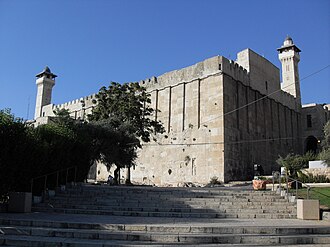
The Cave of the Patriarchs (known as the Ibrahimi Mosque to Muslims and Me'arat HaMachpelah to Jews) in Hebron is one of the holiest sites in both Judaism and Islam. It is the traditional burial place of the biblical patriarchs and matriarchs: Abraham/Ibrahim and Sarah, Isaac and Rebecca, and Jacob and Leah. The massive Herodian-era enclosure, built around 2,000 years ago with stones weighing up to 6 tonnes, is one of the best-preserved buildings from the Herodian period. The site is currently divided between a mosque and a synagogue. As the burial place of Abraham, the common ancestor of Judaism, Christianity, and Islam, it holds unique significance as a site where all three Abrahamic faiths converge.
Spiritual Significance
The Cave of the Patriarchs is revered as the traditional burial site of Abraham, Sarah, Isaac, Rebecca, Jacob, and Leah, making it a cornerstone of Jewish, Christian, and Islamic faiths. Jewish tradition holds that Abraham purchased the cave and adjoining field around 1800 BCE from Ephron the Hittite as a burial site, as recorded in Genesis 23. Pilgrims often visit the site to pray at the tombs, especially on Jewish festivals such as Passover and Sukkot, reflecting its role in ancestral remembrance. The site also holds significance in Islamic tradition, known as the Ibrahimi Mosque, where Abraham (Ibrahim) is a prophet; Muslims perform ritual prayers inside the mosque's Herodian enclosure, which dates back to the 1st century BCE and remains one of the best-preserved ancient structures. The complex is divided into separate prayer areas for Jews and Muslims, underscoring its shared sacredness. Annual religious observances include commemorations linked to the patriarchs, reflecting the site's deep roots in scriptural narratives from the Torah, Bible, and Quran. Pilgrims often engage in meditative prayers and readings from these texts, emphasizing covenantal themes central to Abrahamic faiths.
Key Facts
- •Traditional burial place of Abraham, Isaac, Jacob, and their wives Sarah, Rebecca, and Leah
- •The Herodian enclosure is one of the best-preserved buildings from the 1st century BCE
- •Sacred to all three Abrahamic faiths as the burial site of their shared patriarch Abraham
- •The site is divided between a mosque (85%) and a synagogue (15%)
- •UNESCO World Heritage Site since 2017
Location
Coordinates: 31.5247, 35.1107
Frequently Asked Questions
What religion is Cave of the Patriarchs (Ibrahimi Mosque) associated with?▾
Cave of the Patriarchs (Ibrahimi Mosque) is a Multi-faith holy site located in Palestine. It was established c. 1800 BCE (traditional date of Abraham's purchase) and is ranked #56 in our global directory of sacred sites.
When was Cave of the Patriarchs (Ibrahimi Mosque) established?▾
Cave of the Patriarchs (Ibrahimi Mosque) dates back to c. 1800 BCE (traditional date of Abraham's purchase). Traditional burial place of Abraham, Isaac, Jacob, and their wives Sarah, Rebecca, and Leah
How many people visit Cave of the Patriarchs (Ibrahimi Mosque) each year?▾
Cave of the Patriarchs (Ibrahimi Mosque) receives approximately 1+ million visitors per year. The Herodian enclosure is one of the best-preserved buildings from the 1st century BCE
What is Cave of the Patriarchs (Ibrahimi Mosque) known for?▾
The burial place of Abraham, Isaac, Jacob, and their wives — sacred to Jews, Christians, and Muslims. Visitors come seeking pilgrimage, ancestral connection, blessings, peace. Sacred to all three Abrahamic faiths as the burial site of their shared patriarch Abraham
Related Holy Sites
Sacred places connected by country, religion, and purpose
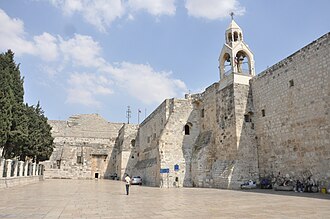
⭐Church of the Nativity
Built over the cave where Jesus Christ is believed to have been born.
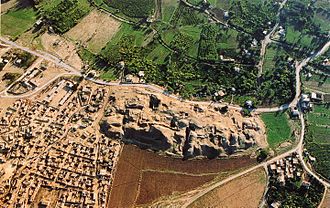
🏛️Tell es-Sultan (Ancient Jericho)
The oldest known walled city on Earth, over 10,000 years old, with deep biblical significance.
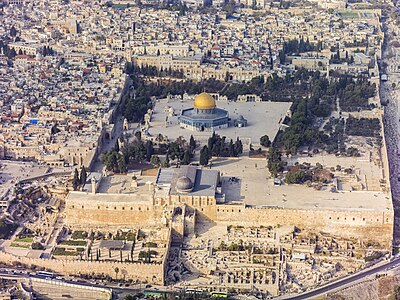
🕌Temple Mount / Al-Aqsa (Jerusalem)
Sacred to Judaism, Christianity, and Islam — the most contested holy site on Earth.
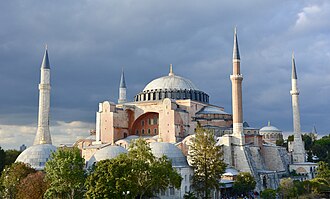
🏛️Hagia Sophia
A masterpiece that served as cathedral, mosque, and museum across centuries.