🕌 Tlemcen Grand Mosque
Algeria
About This Sacred Site
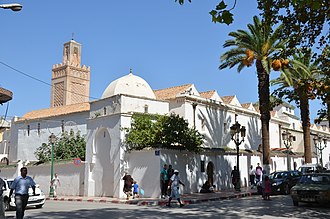
The Grand Mosque of Tlemcen, built in 1136 CE in Algeria, is a masterpiece of Almoravid architecture and a landmark of Islamic art in the Maghreb. The mosque features an elaborate mihrab adorned with intricate stucco and carved decoration, horseshoe arches, and a distinctive minaret reflecting early Islamic architectural styles. Its layout includes a large courtyard and prayer hall, serving as a center for religious worship and education throughout Tlemcen's history, embodying the spiritual and cultural heritage of the region.
History & Origins
Constructed in 1136 under the Almoravid dynasty, the mosque was commissioned by Sultan Ali ibn Yusuf, reflecting the Almoravids' architectural style. It underwent significant renovations in the 14th century during the Zayyanid dynasty, which added the ornate minaret visible today. The mosque's prayer hall features a hypostyle design with rows of arches supported by marble columns sourced from Roman ruins nearby. Its mihrab is renowned for its elaborate stucco work with intricate geometric patterns emblematic of Almoravid craftsmanship. Tlemcen, where the mosque stands, was a major center of Islamic scholarship during medieval times, housing important madrasas affiliated with the mosque. Despite damage during French colonial conflicts in the 19th century, restoration efforts in the 20th century preserved the mosque's original Almoravid features. Today, it remains a key religious and historical monument in western Algeria, exemplifying medieval Maghrebi Islamic architecture.
Spiritual Significance
The mosque serves as a vital center for Sunni Maliki jurisprudence, reflecting the theological traditions propagated by the Almoravid dynasty. Its mihrab orientation aligns precisely with the qibla, guiding worshippers toward Mecca during Salah prayers performed five times daily. During the annual Mawlid celebration commemorating the Prophet Muhammad’s birth, the mosque hosts recitations of the Quran and traditional Sufi chants, particularly the Qasida al-Burda. Pilgrims visit to seek blessings through tawassul invoking local saints historically associated with Tlemcen’s religious heritage. The mosque’s stucco decorations incorporate Quranic verses from Surah Al-Fatiha and Surah Al-Ikhlas, emphasizing monotheism central to Islamic belief. The site also facilitates educational sessions on hadiths transmitted by scholars from the region, reinforcing its spiritual role in sustaining Islamic knowledge and devotional practice in Algeria.
Key Facts
- •Built in 1136 by the Almoravid dynasty
- •Features an elaborate mihrab and intricate geometric stucco decoration
- •Tlemcen was a major center of Islamic scholarship in medieval North Africa
- •The city also houses the tomb of Sufi saint Sidi Boumédiène (d. 1197)
- •The mosque's minaret rises above the historic medina of Tlemcen
Location
Coordinates: 34.8828, -1.3147
Frequently Asked Questions
What religion is Tlemcen Grand Mosque associated with?▾
Tlemcen Grand Mosque is a Islam holy site located in Algeria. It was established 1136 and is ranked #706 in our global directory of sacred sites.
When was Tlemcen Grand Mosque established?▾
Tlemcen Grand Mosque dates back to 1136. Built in 1136 by the Almoravid dynasty
How many people visit Tlemcen Grand Mosque each year?▾
Tlemcen Grand Mosque receives approximately 200,000+ visitors per year. Features an elaborate mihrab and intricate geometric stucco decoration
What is Tlemcen Grand Mosque known for?▾
One of the oldest and most beautiful mosques in Algeria, built by the Almoravid dynasty in 1136. Visitors come seeking pilgrimage, spiritual enlightenment, blessings, guidance. Tlemcen was a major center of Islamic scholarship in medieval North Africa
Related Holy Sites
Sacred places connected by country, religion, and purpose