⛪ Tatev Monastery
Armenia
About This Sacred Site
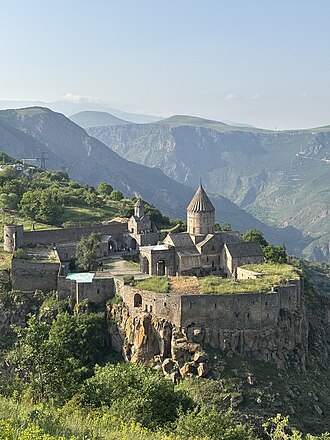
Tatev Monastery is a 9th-century Armenian Apostolic Church monastery perched on the edge of a deep gorge in southeastern Armenia. The monastery was a major center of learning in the medieval period, housing one of the most important Armenian universities with up to 600 students. It features the unique Gavazan, a swaying stone pillar that could detect earthquakes. Since 2010, the monastery is accessible via the Wings of Tatev, the world's longest non-stop double-track aerial tramway at 5.7 kilometers.
History & Origins
Tatev Monastery, founded in 895 CE, is a historic Armenian Apostolic Church complex perched on a plateau overlooking the Vorotan River Gorge in southeastern Armenia. It became a major religious, cultural, and educational center during the medieval period, housing a large theological university that attracted scholars from across the region. The monastery played a crucial role in the spiritual life and national identity of Armenia, serving as a hub for manuscript production and theological study. Tatev endured numerous invasions, including Mongol and Timurid attacks, but was restored multiple times. Its strategic location made it a fortress as well as a monastery. Today, Tatev is renowned for its stunning setting, architectural elements, and historical significance, accessible by the Wings of Tatev, the world’s longest reversible aerial tramway.
Spiritual Significance
Established in 895 CE, the monastery is a major pilgrimage destination in southeastern Armenia, where pilgrims often participate in the Feast of the Holy Cross celebrated annually on September 14, commemorating the relics housed within. The monastery's theological heritage is closely linked to the Armenian Apostolic Church's teachings, with liturgies following the ancient Armenian rite based on the Book of Liturgy of St. Gregory the Illuminator. The medieval university once housed at the site educated up to 600 students in theology, philosophy, and sciences, emphasizing the spiritual and intellectual formation of clergy and laity alike. The unique Gavazan column, a swaying pillar used historically to detect earthquakes, reflects the intertwining of natural phenomena and spiritual interpretation within Armenian tradition. Daily prayers at the monastery include recitations from the Book of Psalms, and pilgrims often ascend the cliffs surrounding the monastery to meditate and seek blessings, believing the location's proximity to the deep gorge symbolizes spiritual protection. The site maintains ancient Armenian Christian manuscripts, linking current worship practices to early medieval ecclesiastical scholarship.
Key Facts
- •Perched on the edge of a deep gorge in southeastern Armenia
- •Housed a medieval university with up to 600 students
- •Features the Gavazan, a unique swaying earthquake-detecting pillar
- •Accessible via the world's longest aerial tramway (5.7 km)
- •The monastery complex dates primarily to the 9th-13th centuries
Location
Coordinates: 39.3797, 46.2483
Frequently Asked Questions
What religion is Tatev Monastery associated with?▾
Tatev Monastery is a Christianity holy site located in Armenia. It was established 895 CE and is ranked #636 in our global directory of sacred sites.
When was Tatev Monastery established?▾
Tatev Monastery dates back to 895 CE. Perched on the edge of a deep gorge in southeastern Armenia
How many people visit Tatev Monastery each year?▾
Tatev Monastery receives approximately 250,000 visitors per year. Housed a medieval university with up to 600 students
What is Tatev Monastery known for?▾
A 9th-century monastery on a basalt plateau, accessible by the world's longest aerial tramway. Visitors come seeking pilgrimage, spiritual enlightenment, peace, meditation. Features the Gavazan, a unique swaying earthquake-detecting pillar
Related Holy Sites
Sacred places connected by country, religion, and purpose
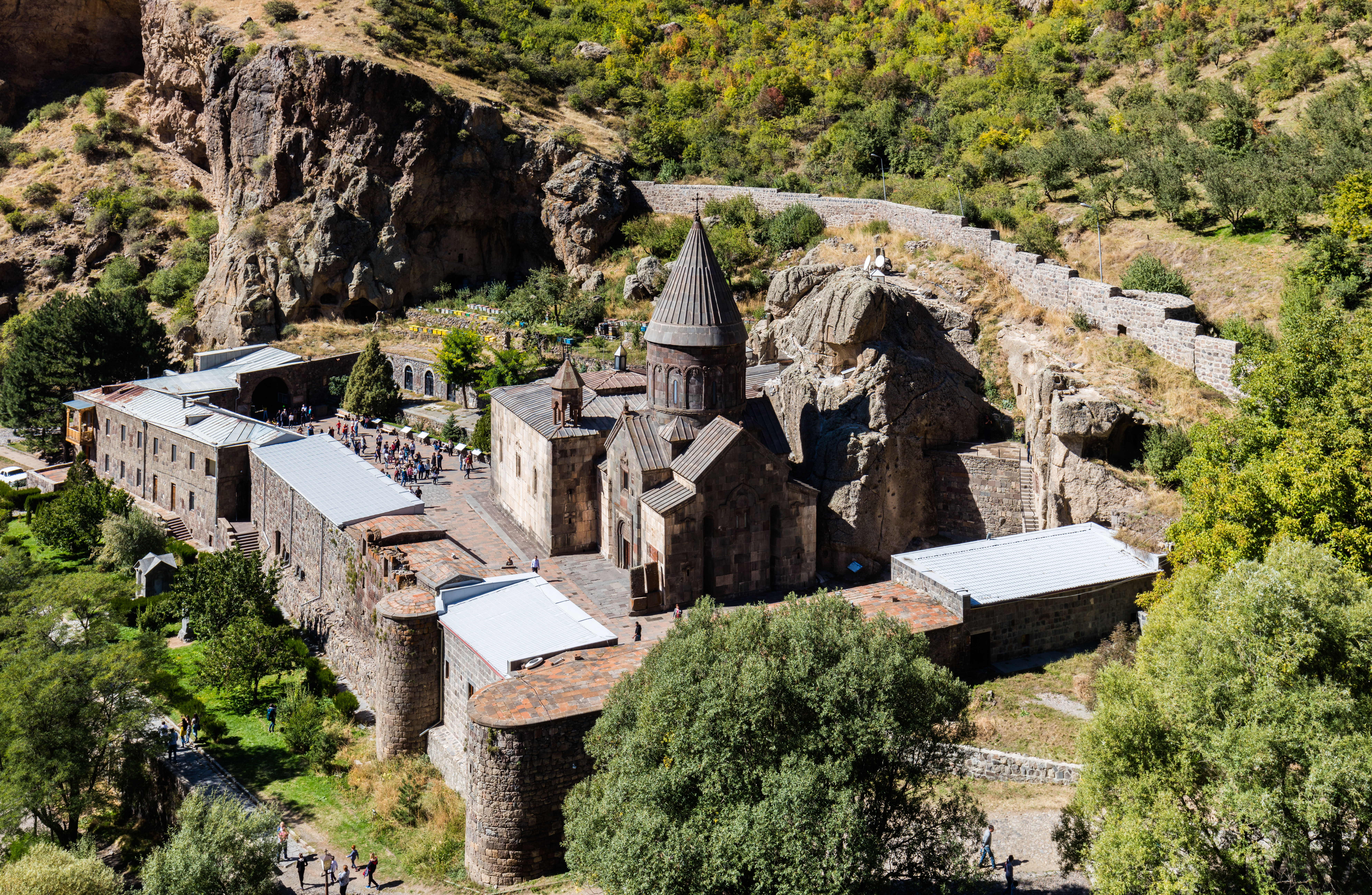
⛪Geghard Monastery
A UNESCO-listed medieval monastery partially carved into a cliff, with remarkable acoustics.
⛪Vatican City (St. Peter's Basilica)
The spiritual center of Roman Catholicism and home of the Pope.
✝️Church of the Holy Sepulchre
The site where Jesus was crucified, buried, and resurrected.