⛪ Geghard Monastery
Armenia
About This Sacred Site
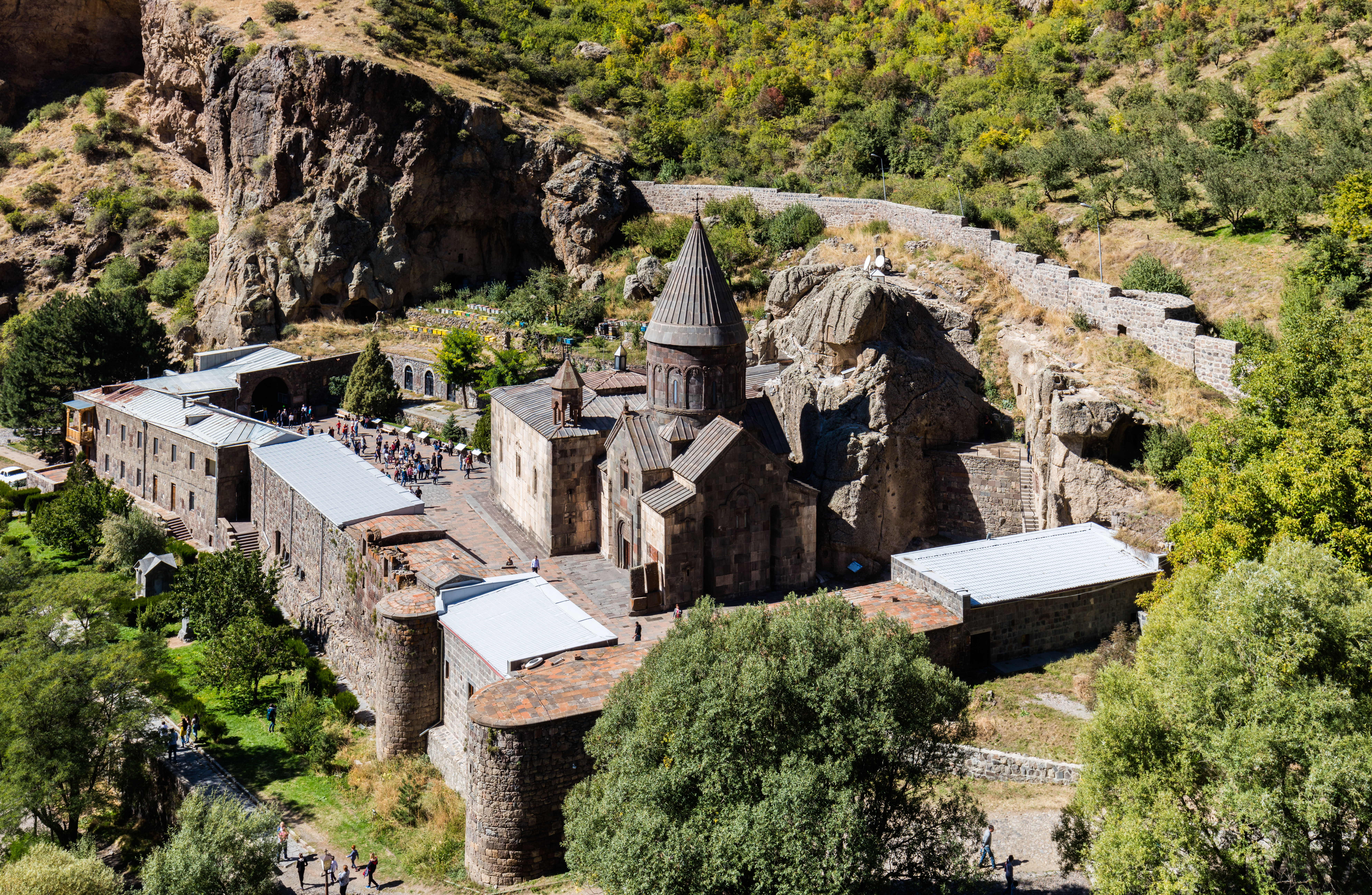
Geghard Monastery is a UNESCO World Heritage Site in the Azat River gorge, partially carved out of the adjacent mountain cliff. Founded in the 4th century, the main chapel was built in 1215. The monastery's name means 'spear,' referring to the Holy Lance that wounded Christ, which was said to have been brought here by the Apostle Thaddeus. The rock-cut churches feature remarkable acoustics that enhance the Armenian liturgical chanting, and intricate khachkars (cross-stones) adorn the walls throughout the complex.
Spiritual Significance
The monastery, partially carved into the adjacent mountain cliffs of the Azat River gorge, serves as a pilgrimage destination due to its association with the Holy Lance, believed to be the spear that pierced Christ's side. The Holy Lance relic was historically housed within the monastery, lending it the name Geghard, meaning "spear" in Armenian. Pilgrims engage in the annual feast of the Holy Cross on September 14, marked by processions around the rock-cut chapels and the chanting of ancient Armenian Apostolic hymns. The complex includes several rock-cut tombs and churches, such as the main chapel built in 1215 by Prince Prosh Khaghbakian, which features intricate khachkars (cross-stones) that serve both as memorials and spiritual symbols. The monastery preserves liturgical manuscripts and relics, facilitating observances aligned with the Armenian Church calendar. Rituals often include the lighting of votive candles in the cave chapels and prayers invoking Saints Gregory the Illuminator and Stepannos. The site's acoustics amplify the recitation of the Sharakan hymns, which are integral to Armenian liturgical tradition. The monastery's UNESCO designation in 2000 recognizes its unique synthesis of natural rock formations and ecclesiastical architecture, underscoring its importance in Armenian Christian heritage.
Key Facts
- •UNESCO World Heritage Site since 2000
- •Named after the Holy Lance (Geghard means 'spear')
- •Partially carved out of the mountain cliff
- •The main chapel was built in 1215
- •Famous for its exceptional acoustics for liturgical chanting
Location
Coordinates: 40.1403, 44.8178
Frequently Asked Questions
What religion is Geghard Monastery associated with?▾
Geghard Monastery is a Christianity holy site located in Armenia. It was established 4th century CE (founded) / 1215 (main chapel) and is ranked #151 in our global directory of sacred sites.
When was Geghard Monastery established?▾
Geghard Monastery dates back to 4th century CE (founded) / 1215 (main chapel). UNESCO World Heritage Site since 2000
How many people visit Geghard Monastery each year?▾
Geghard Monastery receives approximately 500,000 visitors per year. Named after the Holy Lance (Geghard means 'spear')
What is Geghard Monastery known for?▾
A UNESCO-listed medieval monastery partially carved into a cliff, with remarkable acoustics. Visitors come seeking pilgrimage, healing, spiritual enlightenment, purification. Partially carved out of the mountain cliff
Related Holy Sites
Sacred places connected by country, religion, and purpose
⛪Khor Virap Monastery
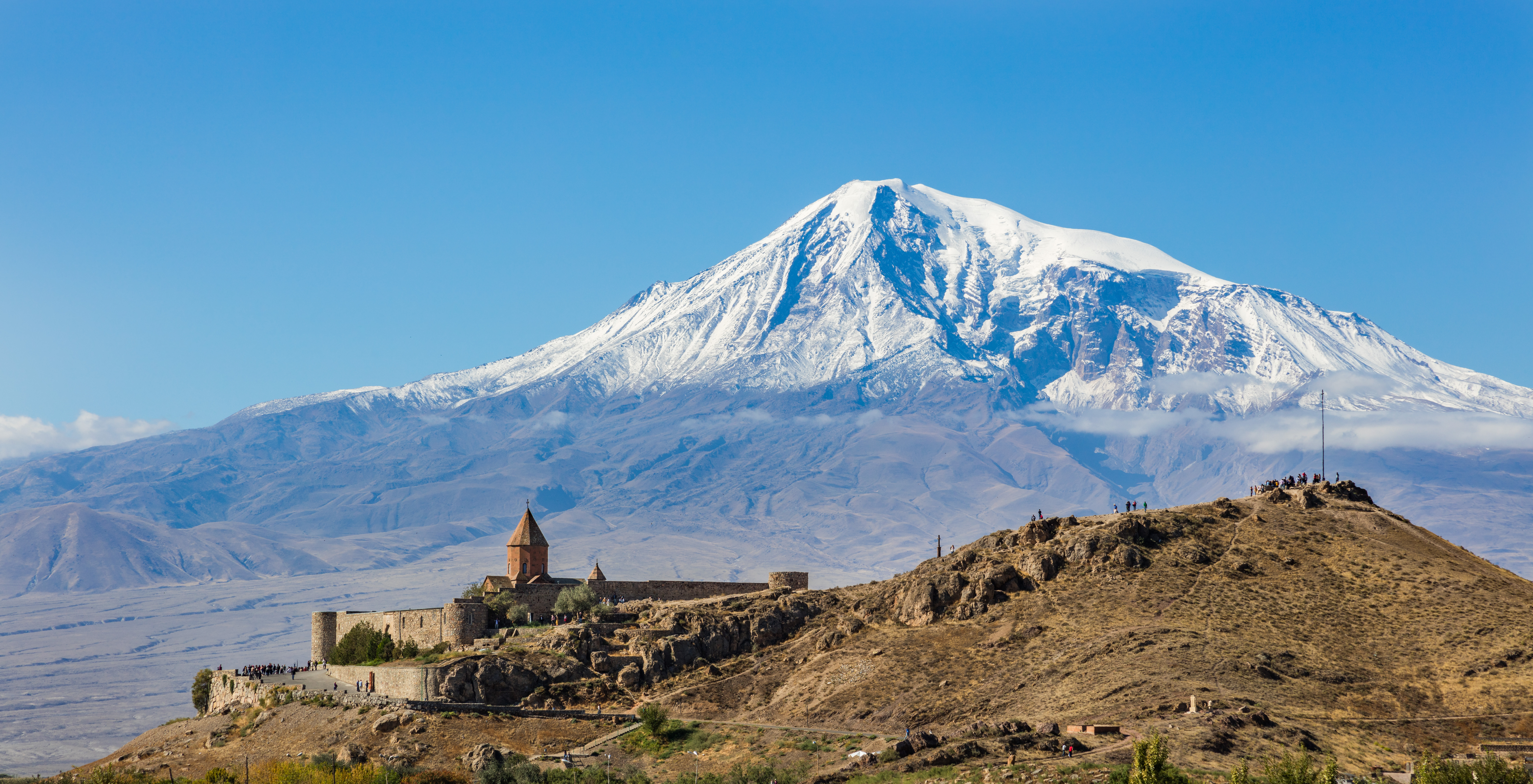
The monastery where St. Gregory was imprisoned, with stunning views of Mount Ararat.
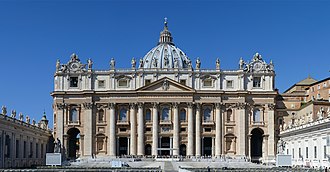
⛪Vatican City (St. Peter's Basilica)
The spiritual center of Roman Catholicism and home of the Pope.
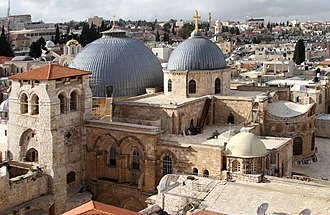
✝️Church of the Holy Sepulchre
The site where Jesus was crucified, buried, and resurrected.