🏯 Tashichho Dzong
Bhutan
About This Sacred Site
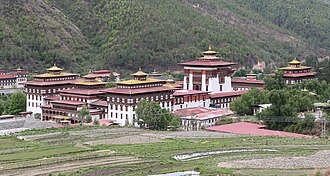
Tashichho Dzong in Thimphu is the seat of Bhutan's government, the throne room of the King, and the summer residence of the central monk body headed by the Je Khenpo (Chief Abbot). Originally built in 1216, it was extensively renovated and expanded in 1962 under King Jigme Dorji Wangchuck using traditional methods without nails or architectural plans. The dzong is the centerpiece of Bhutan's largest annual religious festival, the Thimphu Tshechu, where monks perform sacred mask dances. The elegant whitewashed walls, gilded roofs, and intricate woodwork exemplify Bhutanese architectural mastery.
History & Origins
Originally built in 1216 by Lama Gyalwa Lhanampa, Tashichho Dzong was extensively renovated and expanded in 1962 under the third King of Bhutan, Jigme Dorji Wangchuck. Located in Thimphu, it has functioned as the seat of Bhutan’s government and the throne room of the King since the 1960s. The dzong’s architecture features massive whitewashed walls, tiered golden roofs, and intricately painted woodwork that reflect Bhutanese dzong style and Buddhist symbolism. The site has been rebuilt multiple times due to fires, with the 1962 renovation modernizing its facilities while preserving traditional Bhutanese aesthetics. The dzong houses the Secretariat and the Ministries of Home Affairs and Finance, underscoring its political importance alongside its religious functions.
Spiritual Significance
Tashichho Dzong serves as the summer residence of the Je Khenpo and the central monastic body of Bhutan’s Drukpa Kagyu tradition, where daily rituals and teachings are conducted. It hosts the annual Thimphu Tshechu festival, attracting thousands of pilgrims who witness sacred mask dances that narrate the life of Guru Rinpoche. The dzong contains statues of Shakyamuni Buddha, Avalokiteshvara, and other important figures from the Kangyur and Tengyur scriptures. Monks chant from the Tengyur, the Tibetan Buddhist commentarial texts, during ceremonies that emphasize compassion and wisdom. The site acts as a spiritual hub for Bhutanese governance, blending religious authority with the monarchy’s legitimacy in accordance with the nation’s unique dual system.
Key Facts
- •Originally built in 1216 and extensively renovated in 1962
- •Serves as the seat of Bhutan's government and the King's throne room
- •Summer residence of the Je Khenpo and the central monk body
- •Rebuilt without nails or written architectural plans using traditional methods
- •Host of the annual Thimphu Tshechu, Bhutan's largest religious festival
Location
Coordinates: 27.4861, 89.6386
Frequently Asked Questions
What religion is Tashichho Dzong associated with?▾
Tashichho Dzong is a Buddhism holy site located in Bhutan. It was established 1216 CE (original); 1962 CE (current form) and is ranked #618 in our global directory of sacred sites.
When was Tashichho Dzong established?▾
Tashichho Dzong dates back to 1216 CE (original); 1962 CE (current form). Originally built in 1216 and extensively renovated in 1962
How many people visit Tashichho Dzong each year?▾
Tashichho Dzong receives approximately 100,000+ visitors per year. Serves as the seat of Bhutan's government and the King's throne room
What is Tashichho Dzong known for?▾
The 'Fortress of the Glorious Religion,' seat of Bhutan's government and chief abbot. Visitors come seeking guidance, protection, blessings, peace. Summer residence of the Je Khenpo and the central monk body
Related Holy Sites
Sacred places connected by country, religion, and purpose
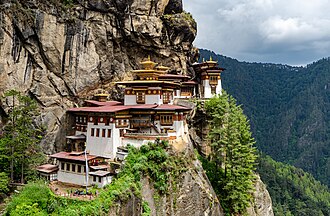
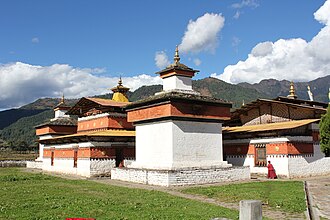
🙏Jambay Lhakhang
One of Bhutan's oldest temples, built in the 7th century by the Tibetan King Songtsen Gampo.
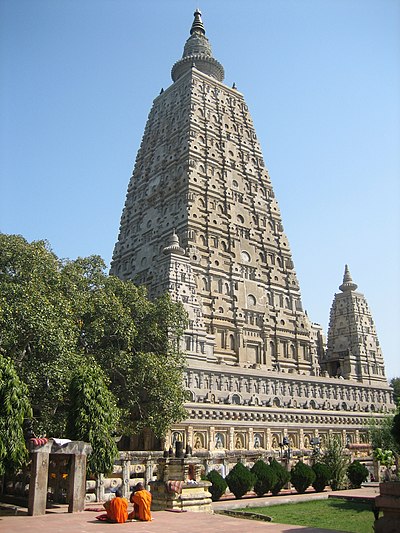
☸️Bodh Gaya (Mahabodhi Temple)
Where Siddhartha Gautama attained enlightenment and became the Buddha.
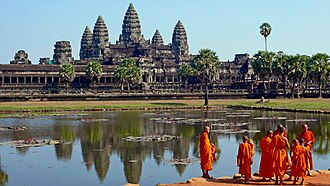
🛕Angkor Wat
The largest religious monument in the world, originally Hindu then Buddhist.