☸️ Takht-i-Bahi
Pakistan
About This Sacred Site
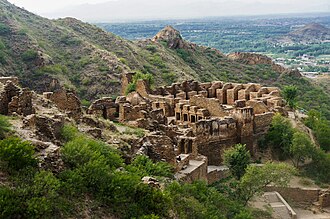
Takht-i-Bahi ('Throne of Origins') is a UNESCO World Heritage Site and one of the best-preserved Buddhist monasteries in the Gandhara region of Pakistan. Perched on a hilltop in Khyber Pakhtunkhwa, the monastery complex dates from the 1st century BCE and was active until the 7th century CE. It includes a main stupa court, monastic chambers, meditation cells, and assembly halls. The Gandhara region was a major center of Buddhist art and learning, producing the first human representations of the Buddha.
History & Origins
Takht-i-Bahi, meaning "Throne of Origins," is an ancient Buddhist monastic complex dating back to the 1st century BCE, located in the Gandhara region of modern-day Pakistan. Established during the Indo-Greek period, it flourished under Kushan rule as a major center for Buddhist learning, meditation, and monastic life. The site’s architectural layout includes stupas, assembly halls, living quarters, and meditation cells, showcasing early Buddhist architectural principles and Gandharan artistic styles. Takht-i-Bahi remained active until the 7th century CE before being abandoned, likely due to invasions and changing religious landscapes. Rediscovered in the 19th century, it has been recognized as a UNESCO World Heritage Site for its exceptional preservation and archaeological significance.
Spiritual Significance
Takht-i-Bahi, established around the 1st century BCE and flourishing until the 7th century CE, is one of the best-preserved Buddhist monastic complexes of the Gandhara region and has been a UNESCO World Heritage Site since 1980. The site’s architecture includes a central stupa, monastic cells, assembly halls, and meditation chambers arranged on a hilltop, reflecting Buddhist monastic life and doctrinal practices. Rituals at the site would have included daily prayers, meditation sessions, and monastic debates based on the Pali Canon, particularly the Vinaya Pitaka governing monastic discipline. The complex was a center for the Sarvastivada school of Buddhism, influential in the region during its peak. Pilgrims and monks traditionally circumambulated the stupas as a form of veneration, embodying teachings from the Dhammapada on merit-making. The site’s location also underscores the spread of Buddhism along trade routes connecting South Asia to Central Asia. Today, Takht-i-Bahi symbolizes early Buddhist architectural innovation and spiritual discipline.
Key Facts
- •UNESCO World Heritage Site since 1980
- •Dates from the 1st century BCE to the 7th century CE
- •One of the best-preserved Buddhist monasteries in the Gandhara region
- •Contains stupa courts, meditation cells, and assembly halls
- •The Gandhara school produced the first human images of the Buddha
Location
Coordinates: 34.3167, 71.9428
Frequently Asked Questions
What religion is Takht-i-Bahi associated with?▾
Takht-i-Bahi is a Buddhism holy site located in Pakistan. It was established c. 1st century BCE and is ranked #273 in our global directory of sacred sites.
When was Takht-i-Bahi established?▾
Takht-i-Bahi dates back to c. 1st century BCE. UNESCO World Heritage Site since 1980
How many people visit Takht-i-Bahi each year?▾
Takht-i-Bahi receives approximately 50,000+ visitors per year. Dates from the 1st century BCE to the 7th century CE
What is Takht-i-Bahi known for?▾
A UNESCO-listed Buddhist monastery in the Gandhara region, one of the best-preserved in South Asia. Visitors come seeking meditation, spiritual enlightenment, peace, guidance. One of the best-preserved Buddhist monasteries in the Gandhara region
Related Holy Sites
Sacred places connected by country, religion, and purpose
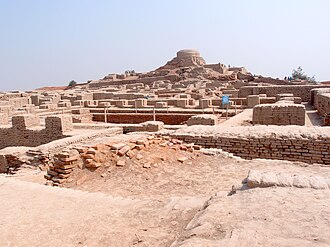
🏛️Mohenjo-daro
The UNESCO-listed ruins of an Indus Valley city with the Great Bath and possible ritual structures.
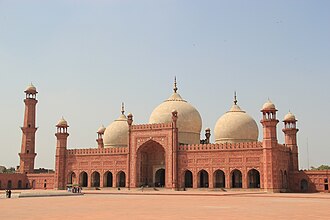
🕌Badshahi Mosque (Lahore)
The Mughal Emperor Aurangzeb's grand mosque in Lahore, one of the most iconic in the Islamic world.
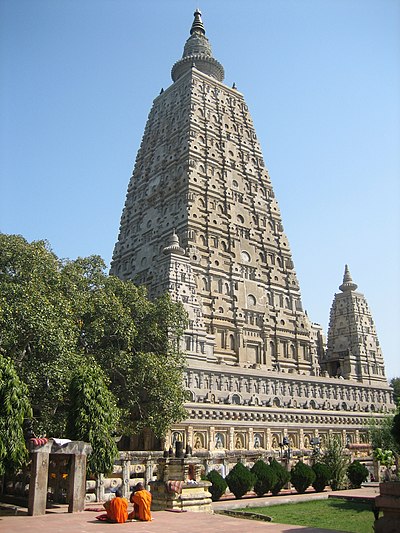
☸️Bodh Gaya (Mahabodhi Temple)
Where Siddhartha Gautama attained enlightenment and became the Buddha.
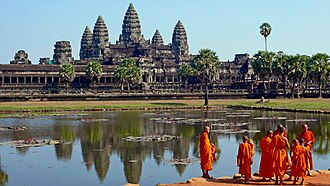
🛕Angkor Wat
The largest religious monument in the world, originally Hindu then Buddhist.