🕌 Badshahi Mosque (Lahore)
Pakistan
About This Sacred Site
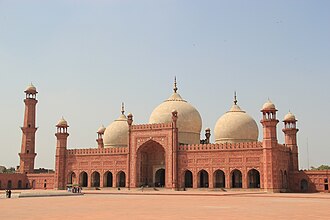
The Badshahi Mosque in Lahore, completed in 1673 under Mughal Emperor Aurangzeb, is a monumental example of Mughal architecture and one of the world’s largest mosques. Its massive courtyard is capable of holding up to 100,000 worshippers, framed by imposing red sandstone walls and intricate marble inlay. The mosque's grandiose design features four towering minarets and three bulbous domes adorned with white marble, exemplifying the zenith of Mughal artistic expression. It has served as a key religious and cultural hub in Lahore for centuries, symbolizing both imperial power and Islamic devotion. Its strategic location opposite the Lahore Fort enhances its historical prominence.
History & Origins
The Badshahi Mosque in Lahore was constructed in 1673 under the commission of Mughal Emperor Aurangzeb, marking a significant architectural achievement of the Mughal era. The mosque was completed within a span of two years and was the largest mosque in the world for over 300 years until the construction of the Faisal Mosque in Islamabad in the 1980s. Built primarily from red sandstone, it features an expansive courtyard capable of accommodating up to 100,000 worshippers, reflecting its role as a major religious and social hub. The mosque's four minarets stand 54 meters tall, framing the central prayer hall which is crowned by three large marble domes. Over centuries, the mosque has undergone various restorations, notably during the British colonial period when it was used as a military garrison before being restored to religious use in the 20th century. Today, it remains a symbol of Mughal architectural splendor and continues to attract millions of visitors annually.
Spiritual Significance
The mosque functions as a focal point for Sunni Islamic worship in Pakistan, particularly within the Hanafi school of thought followed by the majority in the region. It hosts congregational prayers during the five daily Salah, with the Eid prayers drawing tens of thousands on both Eid al-Fitr and Eid al-Adha, emphasizing its role in communal religious observance. The mosque's large courtyard facilitates the gathering of worshippers for Tarawih prayers during Ramadan, reinforcing its spiritual significance during this holy month. The Quranic inscriptions on its walls include verses from Surah Al-Baqarah and Surah Al-Fatiha, highlighting its function as a place of divine recitation and reflection. The mosque also serves as a site for religious education and Quranic memorization, with local madrassas operating within its vicinity. Spiritual leaders and imams affiliated with the mosque often reference classical Sunni jurisprudence, situating the mosque within orthodox Islamic practice in South Asia.
Key Facts
- •Built in 1673 by Mughal Emperor Aurangzeb
- •Was the largest mosque in the world for over 300 years
- •The courtyard can accommodate 100,000 worshippers
- •Built of red sandstone with marble inlay and decorative frescoes
- •Located opposite the Lahore Fort, both UNESCO World Heritage Sites
Location
Coordinates: 31.5880, 74.3107
Frequently Asked Questions
What religion is Badshahi Mosque (Lahore) associated with?▾
Badshahi Mosque (Lahore) is a Islam holy site located in Pakistan. It was established 1673 and is ranked #157 in our global directory of sacred sites.
When was Badshahi Mosque (Lahore) established?▾
Badshahi Mosque (Lahore) dates back to 1673. Built in 1673 by Mughal Emperor Aurangzeb
How many people visit Badshahi Mosque (Lahore) each year?▾
Badshahi Mosque (Lahore) receives approximately 3+ million visitors per year. Was the largest mosque in the world for over 300 years
What is Badshahi Mosque (Lahore) known for?▾
The Mughal Emperor Aurangzeb's grand mosque in Lahore, one of the most iconic in the Islamic world. Visitors come seeking pilgrimage, blessings, spiritual enlightenment, peace. The courtyard can accommodate 100,000 worshippers
Related Holy Sites
Sacred places connected by country, religion, and purpose
🏛️Mohenjo-daro
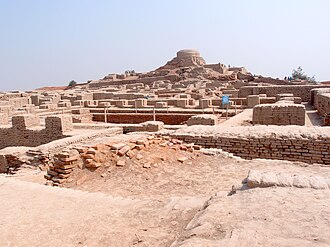
The UNESCO-listed ruins of an Indus Valley city with the Great Bath and possible ritual structures.
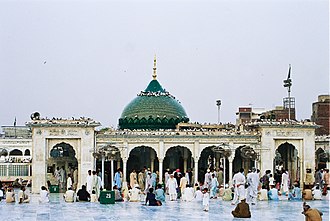
🕌Data Darbar (Lahore)
The shrine of Sufi saint Ali Hujwiri, the most visited Sufi shrine in South Asia.