🕌 Data Darbar (Lahore)
Pakistan
About This Sacred Site
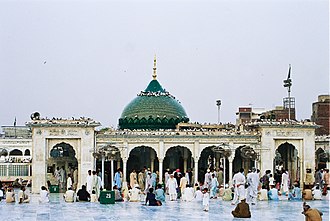
Data Darbar is the shrine of Hazrat Ali Hujwiri (c. 990-1077 CE), known reverently as Data Ganj Bakhsh -- ‘the one who bestows treasures’ -- an 11th-century Sufi mystic and scholar widely credited with establishing Islam in Lahore and introducing Sufi thought to the Indian subcontinent. His tomb in central Lahore is the most visited Sufi shrine in all of South Asia, drawing hundreds of thousands of devotees every week, not just on holy days but continuously, 24 hours a day. The shrine complex includes a large mosque, extensive marble courtyards, and a langar (communal kitchen) that provides free meals to thousands of visitors daily regardless of faith, caste, or social standing. Hujwiri’s seminal work Kashf al-Mahjub (Revelation of the Veiled) remains one of the oldest and most authoritative Sufi texts in the Persian language, still studied in seminaries across the Muslim world.
History & Origins
Ali Hujwiri was born in Ghazni (in present-day Afghanistan) around 990 CE and traveled to Lahore as a missionary of Islam, settling there during the Ghaznavid era. By the time of his death around 1077 CE, he had established a thriving spiritual community and authored the Kashf al-Mahjub, a comprehensive guide to Sufi doctrine and practice that remains in print and in use nearly a millennium later. The title Data Ganj Bakhsh was bestowed on him by the later Sufi saint Moinuddin Chishti, who reportedly spent 40 days in meditation at Hujwiri’s tomb before proceeding to Ajmer. During the Mughal period, emperors including Humayun and Aurangzeb patronized and expanded the shrine. The Sikh ruler Ranjit Singh also showed respect by gifting marble for the tomb’s renovation. After Pakistan’s independence in 1947, the shrine became an even more prominent symbol of Sufi Islam’s role in the region’s identity. Major expansions in the 1960s and subsequent decades added the large modern mosque, expanded courtyards, and improved facilities for the massive crowds. A tragic suicide bombing in 2010 killed 42 people at the shrine, but devotees returned the very next day, and attendance has only grown since, reflecting the deep emotional bond between Lahore’s people and their patron saint.
Spiritual Significance
Data Darbar occupies a unique place in South Asian Islam. While mainstream Sunni practice emphasizes direct worship of God, Sufi tradition holds that the spiritual grace (baraka) of saints persists at their tombs, and that prayers offered at these sites carry special power. Devotees at Data Darbar come seeking intercession for healing, resolution of family disputes, success in examinations, financial relief, and peace of mind. The atmosphere at the shrine combines intense devotion with a remarkable openness: the langar serves all comers without question, embodying Hujwiri’s teaching that spiritual generosity transcends worldly distinctions. Qawwali (devotional Sufi music) performances at the shrine, particularly on Thursday evenings, create an atmosphere of spiritual ecstasy that can last deep into the night. The annual Urs celebration, marking the anniversary of Hujwiri’s death, draws millions of pilgrims over three days and features continuous Quran recitation, qawwali sessions, poetry gatherings, and communal prayers. For Lahore itself, Data Darbar is more than a shrine; it is the spiritual anchor of the city, and Lahoris often refer to their city as ‘Data ki Nagri’ (the City of Data).
Key Facts
- •The most visited Sufi shrine in South Asia
- •Hazrat Ali Hujwiri (990–1077) is credited with bringing Islam to Lahore
- •His Kashf al-Mahjub is one of the oldest Sufi treatises in Persian
- •The shrine's langar feeds thousands of people daily for free
- •Devotees visit 24 hours a day to pray and seek blessings
Visitor Guide
Data Darbar is located in the heart of old Lahore, near the Bhati Gate area. The shrine is open 24 hours a day, seven days a week, and there is no entrance fee. Visitors should dress modestly; women should cover their heads with a dupatta or scarf. Remove shoes before entering the marble courtyard area around the tomb. Men and women enter through separate entrances and pray in different sections. Non-Muslim visitors are generally welcome and treated hospitably, though it is respectful to ask permission before photographing devotees at prayer. Thursday evenings are the most spiritually intense time to visit, with qawwali performances and larger crowds. The annual Urs (usually in the Islamic month of Safar) is an extraordinary experience but comes with massive crowds; plan accommodation well in advance. Security has been significantly enhanced since 2010, with checkpoints and metal detectors at all entrances. The shrine’s langar offers free food continuously. From Data Darbar, the historic Lahore Fort and Badshahi Mosque are a short rickshaw ride away, and the Walled City’s food street is within walking distance.
Location
Coordinates: 31.5697, 74.3143
Frequently Asked Questions
What religion is Data Darbar (Lahore) associated with?▾
Data Darbar (Lahore) is a Islam holy site located in Pakistan. It was established c. 1072 CE (death of Hujwiri) and is ranked #195 in our global directory of sacred sites.
When was Data Darbar (Lahore) established?▾
Data Darbar (Lahore) dates back to c. 1072 CE (death of Hujwiri). The most visited Sufi shrine in South Asia
How many people visit Data Darbar (Lahore) each year?▾
Data Darbar (Lahore) receives approximately 10+ million visitors per year. Hazrat Ali Hujwiri (990–1077) is credited with bringing Islam to Lahore
What is Data Darbar (Lahore) known for?▾
The shrine of Sufi saint Ali Hujwiri, the most visited Sufi shrine in South Asia. Visitors come seeking healing, blessings, spiritual enlightenment, pilgrimage. His Kashf al-Mahjub is one of the oldest Sufi treatises in Persian
Related Holy Sites
Sacred places connected by country, religion, and purpose
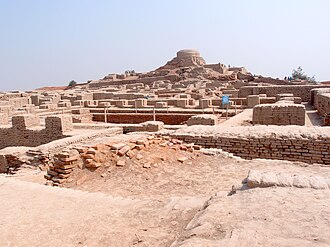
🏛️Mohenjo-daro
The UNESCO-listed ruins of an Indus Valley city with the Great Bath and possible ritual structures.
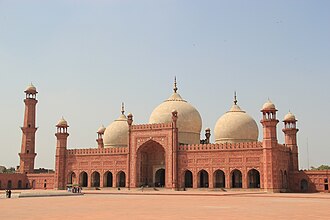
🕌Badshahi Mosque (Lahore)
The Mughal Emperor Aurangzeb's grand mosque in Lahore, one of the most iconic in the Islamic world.