⛪ Sucre Metropolitan Cathedral
Bolivia
About This Sacred Site
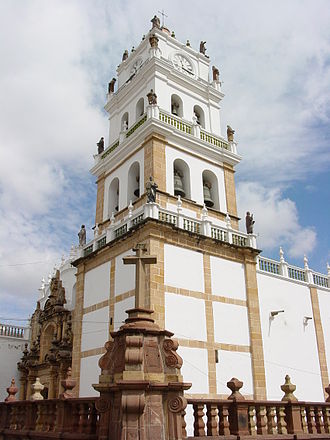
The Metropolitan Cathedral of Sucre stands in the main plaza of Bolivia's constitutional capital, a UNESCO World Heritage City known as the 'White City of the Americas.' The cathedral, originally constructed in 1559 and rebuilt multiple times, blends Renaissance, Baroque, and Mestizo Baroque styles. Its Chapel of the Virgin of Guadalupe houses a Marian image adorned with thousands of precious gems donated by wealthy colonial-era patrons. The cathedral is the seat of the Archdiocese of Sucre, the oldest in Bolivia.
History & Origins
The original church on the site of Sucre Metropolitan Cathedral was established in 1559, during the early colonial period under Spanish rule, marking it as one of the oldest ecclesiastical structures in Bolivia. The cathedral was extensively rebuilt in the 18th century, with construction phases that introduced Baroque and neoclassical architectural styles. Significant renovations were carried out in 1781 to repair and enhance the structure after damages from earthquakes common to the region. The cathedral's façade features a blend of white stone and ornate carvings characteristic of the period. Throughout the 19th century, the cathedral served as a central venue for religious and civic ceremonies during Bolivia's independence movement. Its bell towers, completed in the late 1700s, house bells cast in Spain. The building was declared a national monument in the 20th century and remains the seat of the Roman Catholic Archdiocese of Sucre.
Spiritual Significance
The Chapel of the Virgin of Guadalupe within the cathedral houses a statue encrusted with thousands of jewels, which is the focal point of annual festivities on December 12, coinciding with the Feast of Our Lady of Guadalupe. Local devotees participate in processions and offer prayers invoking the Virgin's protection, reflecting her status as Bolivia’s patron saint. The cathedral hosts the liturgical celebration of Corpus Christi with elaborate rituals rooted in Catholic scripture such as John 6:51-58, emphasizing Eucharistic devotion. Pilgrims from across Bolivia visit during Holy Week to attend masses led by the archbishop, and the cathedral’s altar features relics from early missionaries who spread Christianity in the region. Regular confession and veneration practices follow the Roman Rite, and the site is integral to the syncretic religious traditions combining indigenous beliefs with Catholicism.
Key Facts
- •The original church on this site dates to 1559, making it one of Bolivia's oldest cathedrals
- •The Chapel of the Virgin of Guadalupe contains a statue encrusted with thousands of jewels
- •Located in Sucre, a UNESCO World Heritage City since 1991
- •The Archdiocese of Sucre is the oldest in Bolivia, established in 1552
- •The cathedral blends Renaissance, Baroque, and uniquely Andean Mestizo Baroque elements
Location
Coordinates: -19.0479, -65.2596
Frequently Asked Questions
What religion is Sucre Metropolitan Cathedral associated with?▾
Sucre Metropolitan Cathedral is a Christianity holy site located in Bolivia. It was established 1559 (rebuilt 18th century) and is ranked #269 in our global directory of sacred sites.
When was Sucre Metropolitan Cathedral established?▾
Sucre Metropolitan Cathedral dates back to 1559 (rebuilt 18th century). The original church on this site dates to 1559, making it one of Bolivia's oldest cathedrals
How many people visit Sucre Metropolitan Cathedral each year?▾
Sucre Metropolitan Cathedral receives approximately 300,000 visitors per year. The Chapel of the Virgin of Guadalupe contains a statue encrusted with thousands of jewels
What is Sucre Metropolitan Cathedral known for?▾
The principal cathedral of Bolivia's constitutional capital, a jewel of colonial architecture. Visitors come seeking blessings, guidance, pilgrimage, peace. Located in Sucre, a UNESCO World Heritage City since 1991
Related Holy Sites
Sacred places connected by country, religion, and purpose
🏛️Tiwanaku
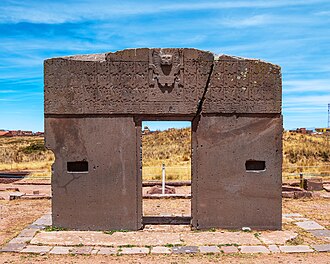
A pre-Inca ceremonial center near Lake Titicaca, spiritual heart of an empire that preceded the Inca.
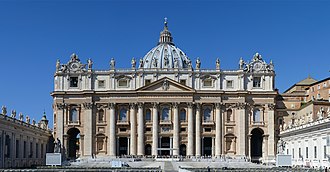
⛪Vatican City (St. Peter's Basilica)
The spiritual center of Roman Catholicism and home of the Pope.
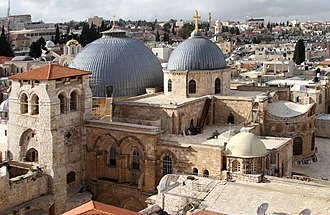
✝️Church of the Holy Sepulchre
The site where Jesus was crucified, buried, and resurrected.