⛪ Basilica of Our Lady of Copacabana
Bolivia
About This Sacred Site
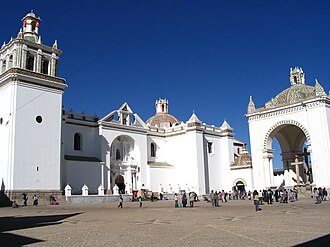
The Basilica of Our Lady of Copacabana sits in the town of Copacabana on the shore of Lake Titicaca, the world's highest navigable lake. The shrine houses the Virgen de Copacabana, a dark wooden statue carved by indigenous artist Francisco Tito Yupanqui in 1583, which is the most revered Marian image in Bolivia. Copacabana was already a sacred pilgrimage site in Inca times, and the basilica represents a seamless continuity of Andean sacred geography into the Catholic era.
History & Origins
Founded in 1583 by Franciscan missionaries, the Basilica of Our Lady of Copacabana was constructed to promote Catholicism among indigenous peoples around Lake Titicaca. The basilica gained prominence after the discovery of the Virgin of Copacabana’s wooden statue, believed to have miraculous powers, leading to widespread devotion. The original church was rebuilt and expanded in 1805, incorporating Andean artistic elements symbolizing a syncretic faith. Over centuries, the basilica has hosted annual pilgrimages and festivals, cementing its role as a spiritual and cultural center bridging colonial and indigenous traditions in Bolivia.
Spiritual Significance
The Basilica of Our Lady of Copacabana holds Bolivia's most venerated Catholic statue, carved in 1583 by indigenous sculptor Francisco Tito Yupanqui, who modeled the Virgin Mary in local artistic styles blending Andean symbolism with Christian iconography. Before Spanish colonization, the Copacabana peninsula was a major Inca pilgrimage site dedicated to the worship of the sun god Inti and lake deities. The basilica, consecrated in 1805, serves as the focal point for annual festivals on August 5, the feast day of the Virgin of Copacabana, attracting thousands of pilgrims who perform traditional dances such as the Morenada and Diablada. Devotees undertake long pilgrimages on foot from La Paz and other regions, carrying offerings including flowers and candles to seek the Virgin's intercession for health and protection. The statue is considered miraculous, with documented healings and answered prayers, making it a center for Marian devotion in Bolivia. Liturgical celebrations integrate Andean music and Catholic mass, reflecting a syncretic religious practice that honors both pre-Columbian and Christian traditions. The basilica is also linked to the Bolivian national identity, symbolizing spiritual unity and cultural heritage.
Key Facts
- •The Virgin statue was carved by indigenous sculptor Francisco Tito Yupanqui in 1583
- •Copacabana was an important Inca pilgrimage site before the Spanish arrived
- •Bolivia's most important Catholic pilgrimage destination
- •The town is the departure point for boats to the Isla del Sol, birthplace of the Inca in mythology
- •The famous Copacabana beach in Rio de Janeiro is named after this Bolivian Marian devotion
Location
Coordinates: -16.1668, -69.0853
Frequently Asked Questions
What religion is Basilica of Our Lady of Copacabana associated with?▾
Basilica of Our Lady of Copacabana is a Christianity holy site located in Bolivia. It was established 1583 (basilica 1805) and is ranked #717 in our global directory of sacred sites.
When was Basilica of Our Lady of Copacabana established?▾
Basilica of Our Lady of Copacabana dates back to 1583 (basilica 1805). The Virgin statue was carved by indigenous sculptor Francisco Tito Yupanqui in 1583
How many people visit Basilica of Our Lady of Copacabana each year?▾
Basilica of Our Lady of Copacabana receives approximately 500,000 visitors per year. Copacabana was an important Inca pilgrimage site before the Spanish arrived
What is Basilica of Our Lady of Copacabana known for?▾
Bolivia's principal Marian shrine on the shores of Lake Titicaca, venerating a miraculous Virgin statue. Visitors come seeking miracles, healing, pilgrimage, blessings. Bolivia's most important Catholic pilgrimage destination
Related Holy Sites
Sacred places connected by country, religion, and purpose
🏛️Tiwanaku
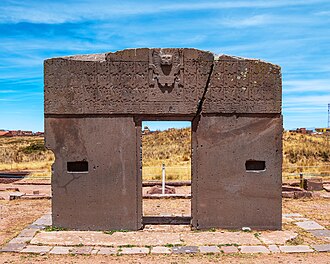
A pre-Inca ceremonial center near Lake Titicaca, spiritual heart of an empire that preceded the Inca.
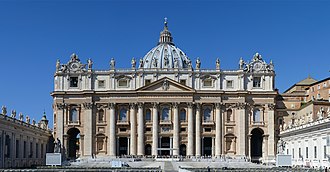
⛪Vatican City (St. Peter's Basilica)
The spiritual center of Roman Catholicism and home of the Pope.
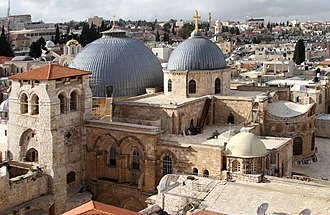
✝️Church of the Holy Sepulchre
The site where Jesus was crucified, buried, and resurrected.