🕌 Stone Town Mosques (Zanzibar)
Tanzania
About This Sacred Site
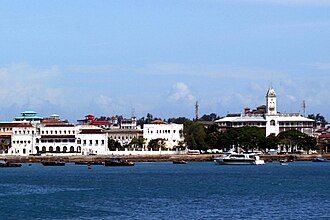
Stone Town Mosques in Zanzibar comprise a collection of historic Islamic places of worship located within the UNESCO World Heritage Site of Stone Town. Dating back to as early as the 8th century CE, these mosques showcase centuries of Islamic architectural evolution, featuring intricate minarets, carved wooden doors, and coral stone construction. They have served the spiritual needs of Zanzibar’s diverse Muslim population, reflecting influences from Arab, Persian, and Swahili cultures. Prominent mosques include the Malindi Mosque and the Old Fort Mosque, both renowned for their religious and historical significance.
History & Origins
Stone Town, inscribed as a UNESCO World Heritage Site in 2000, contains over 50 mosques, many dating back to the 8th and 9th centuries CE, reflecting its status as a historic trade port. The Malindi Mosque, built in the 1100s, is notable for its conical minaret, one of the oldest surviving Islamic architectural elements in East Africa. Other mosques, such as the Juma Mosque, date to the 17th century and were expanded during Omani rule. These mosques feature coral rag stone construction, elaborately carved wooden doors, and intricately decorated mihrabs. The urban layout of Stone Town integrates these mosques within narrow alleyways and open courtyards, illustrating the interweaving of religious and social life. Renovations in the 19th century introduced Zanzibari and Omani stylistic elements, preserving the religious heritage despite colonial disruptions.
Spiritual Significance
Stone Town’s mosques have long served as centers for Swahili Islamic practice, blending Shafi’i jurisprudence with local customs. Regular Salat prayers are held five times daily, with the Friday Jumu'ah attracting large congregations. The mosques host religious instruction in Arabic and Swahili, focusing on Qur'anic memorization and Hadith studies. During Eid al-Fitr and Eid al-Adha, communal prayers are followed by charity distributions to the needy, in accordance with Islamic teachings. The mosques play a role in Sufi gatherings, particularly of the Qadiriyya and Shadhiliyya orders, including dhikr ceremonies and Mawlid celebrations. The Malindi Mosque’s minaret historically served as a call to prayer beacon visible to seafarers, symbolizing Islam’s maritime spread.
Key Facts
- •Stone Town is a UNESCO World Heritage Site inscribed in 2000
- •Contains over 50 mosques, many dating back several centuries
- •The Malindi Mosque features one of the oldest conical minarets in East Africa
- •Zanzibar has been a center of Islamic learning since the 8th century
- •The Aga Khan Trust for Culture has helped restore many historic mosques
Location
Coordinates: -6.1622, 39.1921
Frequently Asked Questions
What religion is Stone Town Mosques (Zanzibar) associated with?▾
Stone Town Mosques (Zanzibar) is a Islam holy site located in Tanzania. It was established c. 800s CE and is ranked #170 in our global directory of sacred sites.
When was Stone Town Mosques (Zanzibar) established?▾
Stone Town Mosques (Zanzibar) dates back to c. 800s CE. Stone Town is a UNESCO World Heritage Site inscribed in 2000
How many people visit Stone Town Mosques (Zanzibar) each year?▾
Stone Town Mosques (Zanzibar) receives approximately 300,000+ visitors per year. Contains over 50 mosques, many dating back several centuries
What is Stone Town Mosques (Zanzibar) known for?▾
Historic mosques in UNESCO-listed Stone Town, reflecting centuries of Swahili Islamic civilization. Visitors come seeking pilgrimage, peace, blessings, guidance. The Malindi Mosque features one of the oldest conical minarets in East Africa
Related Holy Sites
Sacred places connected by country, religion, and purpose
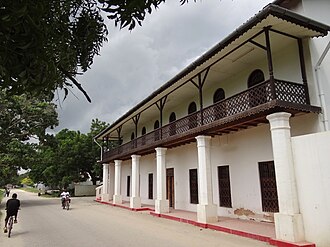
🏛️Bagamoyo
A historic Swahili coast town whose name means 'lay down your heart,' a center of spiritual reflection.
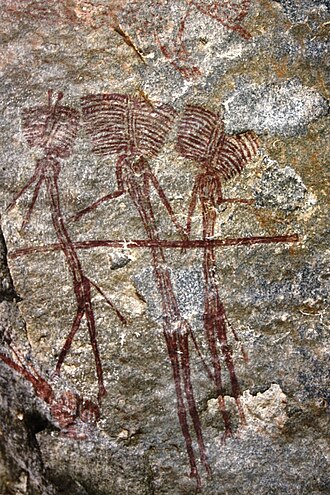
🎨Kondoa Rock Art Sites
UNESCO-listed prehistoric rock paintings in central Tanzania with deep spiritual significance.