⛪ Cathédrale Sainte-Marie de Libreville
Gabon
About This Sacred Site
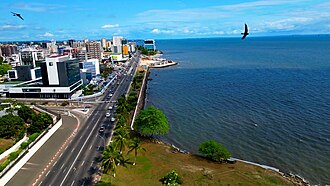
The Cathedral of Sainte-Marie in Libreville is the principal Catholic church of Gabon and the seat of the Archdiocese of Libreville. The cathedral reflects the deep roots of Catholic Christianity in Gabon, where French missionaries established some of the earliest Christian communities in equatorial Africa. The name Libreville ('free town') itself recalls the city's founding by freed slaves in 1849. The cathedral serves as a center of worship, education, and community life for Gabon's Catholic majority. Its architecture blends European ecclesiastical design with tropical Central African elements.
History & Origins
The cathedral was established in the 1860s shortly after Libreville's founding in 1849 as a settlement for freed slaves under French colonial administration. Construction commenced under the direction of French missionary architects, with the building consecrated in 1870. Throughout the 20th century, the cathedral underwent significant renovations, notably in 1955 and 1980, to accommodate the growing Catholic population of Gabon, which today ranks among the highest proportions of Christians in Central Africa. The cathedral serves as the seat of the Roman Catholic Archdiocese of Libreville, established by Pope Pius XII in 1955. The structure has witnessed key historical events, including visits from prominent church figures such as Cardinal Laurent Monsengwo Pasinya in the 21st century. Its Gothic Revival style, with stained glass windows imported from France, reflects colonial-era ecclesiastical architecture adapted to the equatorial climate.
Spiritual Significance
As the Archdiocese's seat, the cathedral is central to Gabon's Catholic liturgical calendar, hosting major festivals such as Easter and Christmas masses attended by thousands. The cathedral follows the Roman Rite, with daily Masses incorporating readings from the Lectionary and recitations of the Nicene Creed. The Feast of Saint Mary is celebrated annually on August 15 with processions and Marian hymns, reflecting the cathedral's dedication. Pilgrims from across Gabon travel here for spiritual retreats and the sacrament of reconciliation, administered by priests trained in local seminaries. The site also functions as a center for catechetical instruction, emphasizing Vatican II reforms on liturgical participation and social justice, which resonate with the local context of post-colonial Gabonese society. The cathedral’s role extends to ecumenical dialogues promoting Christian unity in a religiously diverse nation.
Key Facts
- •Seat of the Roman Catholic Archdiocese of Libreville
- •Libreville was founded in 1849 as a settlement for freed slaves
- •Gabon has one of the highest proportions of Christians in Central Africa
- •French missionaries established Christianity in the region in the 19th century
- •The cathedral serves as a center of education and social services
Location
Coordinates: 0.3903, 9.4542
Frequently Asked Questions
What religion is Cathédrale Sainte-Marie de Libreville associated with?▾
Cathédrale Sainte-Marie de Libreville is a Christianity holy site located in Gabon. It was established c. 1860s and is ranked #950 in our global directory of sacred sites.
When was Cathédrale Sainte-Marie de Libreville established?▾
Cathédrale Sainte-Marie de Libreville dates back to c. 1860s. Seat of the Roman Catholic Archdiocese of Libreville
How many people visit Cathédrale Sainte-Marie de Libreville each year?▾
Cathédrale Sainte-Marie de Libreville receives approximately 40,000 visitors per year. Libreville was founded in 1849 as a settlement for freed slaves
What is Cathédrale Sainte-Marie de Libreville known for?▾
The principal Catholic cathedral of Gabon's capital, a center of faith in Central Africa. Visitors come seeking blessings, peace, guidance. Gabon has one of the highest proportions of Christians in Central Africa
Related Holy Sites
Sacred places connected by country, religion, and purpose


⛪Vatican City (St. Peter's Basilica)
The spiritual center of Roman Catholicism and home of the Pope.
✝️Church of the Holy Sepulchre
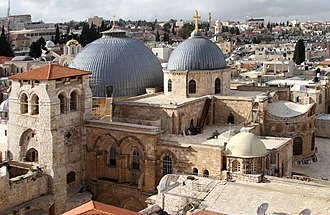
The site where Jesus was crucified, buried, and resurrected.