
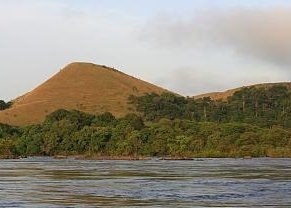
🌿 Lopé Sacred Sites
Gabon
About This Sacred Site
Lopé National Park, a UNESCO World Heritage Site, preserves both exceptional biodiversity and significant cultural heritage in central Gabon. The park contains some of the oldest known rock engravings in West-Central Africa, dating back nearly 400,000 years. The surrounding forests are also important centers of the Bwiti spiritual tradition, an indigenous religion centered on the use of the iboga plant for spiritual initiation and healing. Bwiti ceremonies, which involve ingestion of iboga to achieve visionary states, represent one of Africa's most powerful surviving initiatory traditions.
History & Origins
Lopé National Park in central Gabon, a UNESCO World Heritage Site, preserves ancient forest landscapes and significant cultural heritage. The Lopé Sacred Sites have been inhabited by indigenous peoples for thousands of years, who hold the area as spiritually vital. Archaeological findings include rock art and artifacts evidencing continuous human presence since the Paleolithic period. These sacred sites were used for rituals connected to hunting, fertility, and ancestral worship. The park’s establishment in the 20th century integrated conservation with cultural preservation, ensuring indigenous spiritual practices are respected alongside biodiversity protection. Lopé remains a living cultural landscape sustaining traditional knowledge and identity.
Spiritual Significance
Designated a UNESCO World Heritage Site for its integration of natural and cultural heritage, the area contains rock engravings dating back nearly 400,000 years, attesting to its importance in prehistoric ritual activities. Indigenous peoples have long regarded the surrounding Lopé forests as sacred, associating the landscape with ancestral spirits and cosmological beliefs expressed through oral traditions. Rituals performed include seasonal ceremonies timed with lunar phases, involving offerings and dances intended to ensure hunting success and agricultural fertility. The site’s biodiversity, including populations of sacred species such as the forest elephant, is intertwined with spiritual stewardship responsibilities upheld by local communities. Pilgrims visit specific rock art sites to conduct libations and invoke guidance from traditional spiritual leaders, known as bwiti practitioners, who incorporate elements of Bwiti religion, emphasizing communion with nature and ancestor veneration. These practices maintain continuity with ancient rites documented through ethnographic research and underscore the region’s role as a living spiritual landscape.
Key Facts
- •UNESCO World Heritage Site combining natural and cultural significance
- •Contains rock engravings dating back nearly 400,000 years
- •The surrounding forests are important centers of the Bwiti tradition
- •Bwiti ceremonies use the iboga plant for spiritual initiation
- •Home to western lowland gorillas, forest elephants, and other wildlife
Location
Coordinates: -0.5000, 11.5000
Frequently Asked Questions
What religion is Lopé Sacred Sites associated with?▾
Lopé Sacred Sites is a Indigenous holy site located in Gabon. It was established Ancient and is ranked #689 in our global directory of sacred sites.
When was Lopé Sacred Sites established?▾
Lopé Sacred Sites dates back to Ancient. UNESCO World Heritage Site combining natural and cultural significance
How many people visit Lopé Sacred Sites each year?▾
Lopé Sacred Sites receives approximately 10,000 visitors per year. Contains rock engravings dating back nearly 400,000 years
What is Lopé Sacred Sites known for?▾
A UNESCO World Heritage landscape with ancient rock engravings and Bwiti sacred sites. Visitors come seeking ancestral connection, protection, spiritual enlightenment. The surrounding forests are important centers of the Bwiti tradition
Related Holy Sites
Sacred places connected by country, religion, and purpose
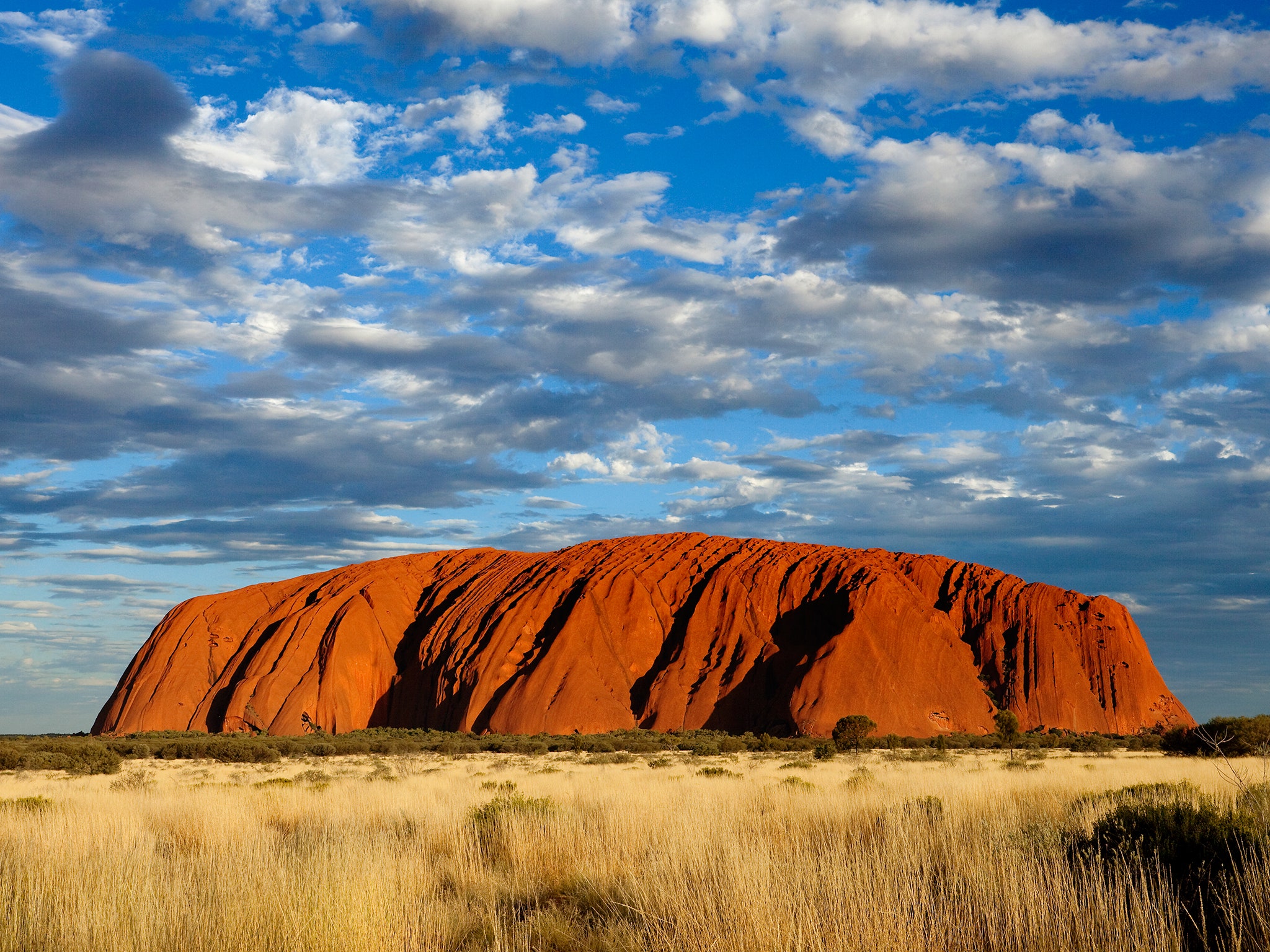
🪨Uluru (Ayers Rock)
A sacred monolith central to Aboriginal Australian creation stories.
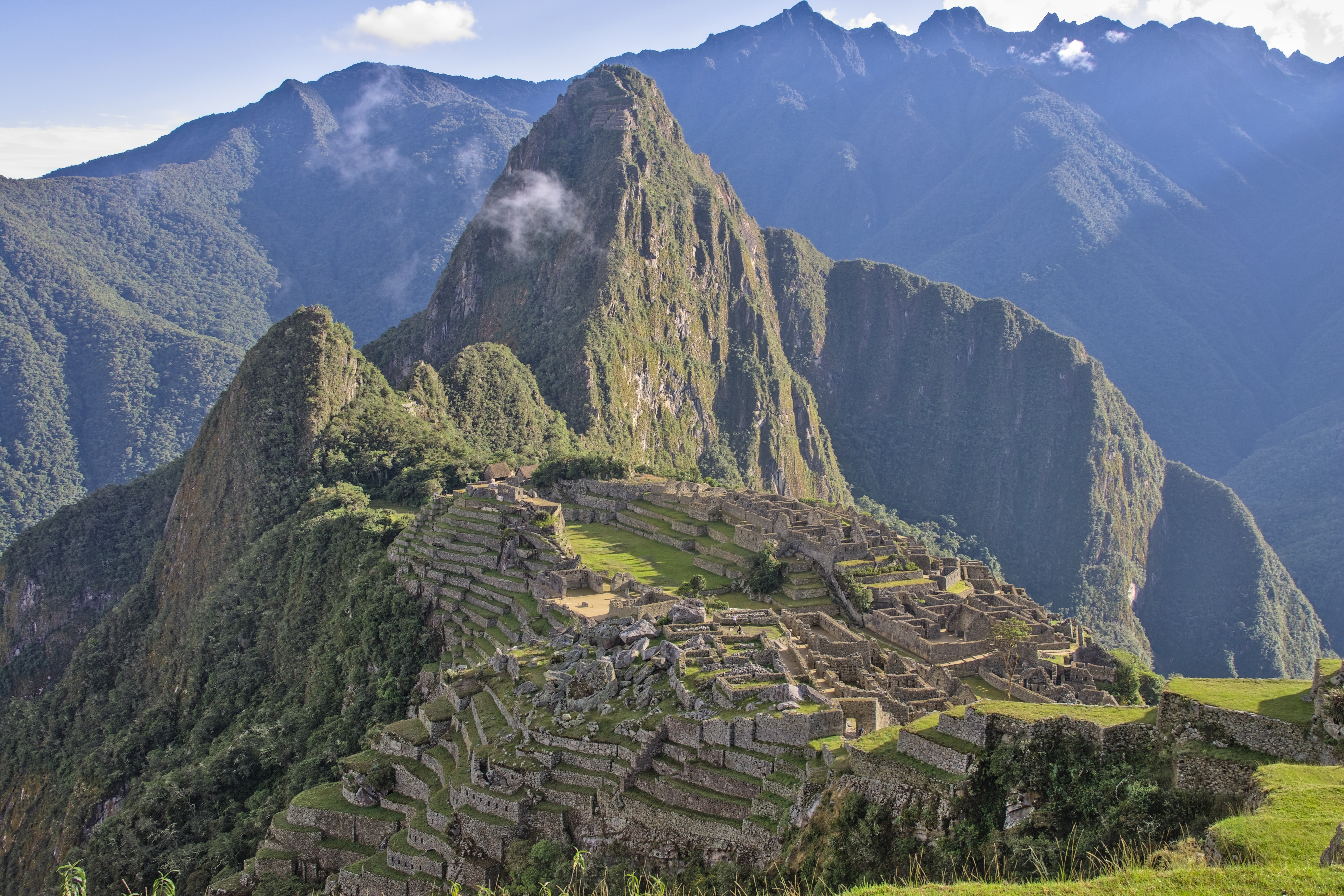
🏔️Machu Picchu
A sacred Inca citadel set high in the Andes, aligned with astronomical events.
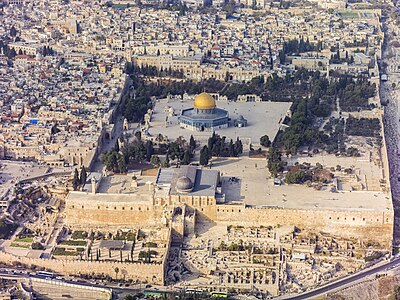
🕌Temple Mount / Al-Aqsa (Jerusalem)
Sacred to Judaism, Christianity, and Islam — the most contested holy site on Earth.
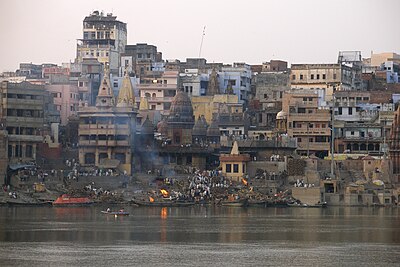
🙏Varanasi (Kashi Vishwanath Temple)
The holiest city in Hinduism, where the Ganges River purifies the soul.

